Busy days. A late celebrated anniversary due to me being back in the Bay Area on the actual day (that was worth its own blog, but it would be like falling on a bruise, I’ve done that before, which if you didn’t read it can be found here), Shrove Tuesday and Mardi Gras, the fête de St Valentin.
France is on one hand religious, as late as 2011 over 50% of the population believed in God if asked, although it’s now down to 44% but 35 million Frenchmen and Frenchwomen self identify as Christian. On the other, it is constitutionally not religious, your Church wedding means nothing. There is no ‘And so help me God’ in courts, no invoking of His blessing when they sing the national anthem. No opening the Senate with a pithy prayer, and no place legally for any religious symbols at school. As much as people would point to the enforcement of the latter having become more a casus belli of the right and their fear of what they see as the visible signs of the march of radical Islam across the fatherland. Crucifixes around necks and yarmulke had been quietly ignored for decades, but the hijab and more recently the full body cover abaya have drawn the ire and attention. Macron is courting the center right or more pointedly not allowing the far right under Le Pen to profit from the cry for some casual cultural bullying. So religious, except when it’s mainly not.
Every day in the bakers they write on a chalk board the Saint for the day. When they finish the weather forecast on France 2, they give the sunrise and sunset, phase of the moon and the Saint’s Day. Tomorrow is St Julienne for example. I am unaware if St Julienne has any particular pastry or treat but we are still technically in the season of the Bugne. This is a Lyonnaise doughnut, very light version of a doughnut and light years from a Crispy Creme or the English jam doughnut. Traditionally a Mardi Gras treat as it has ‘gras’, grease or fat; it is a small shape of dough fried in fat ahead of lent’s lean days. Dusted with sugar, it’s a sticky-fingered treat for the ‘gouter’. It is the English who are feted for their afternoon tea but ironically other than the legions of the retirees who, having strided the green and sadly now fetid land, retire to a local tea shop for tea and scones, most Brits do not have afternoon tea. Yet in France, every child returns from school between 4 and 5 to have the treat of the gouter, the local version of afternoon tea. A drink with a sweet something, bugne, chocolate bars, pain au chocolat or bread with lashings of Nutella. The adults partake with tea, sadly usually without the addition of milk and many, many bizarre herbal offerings masquerading as bringing some healthy side benefit. I am not a massive fan of bugne Lyonnaise, but neither am I a fan of doughnuts regardless of which side of the Atlantic they originate from. I do, however, really like the ‘ears’ style doughnut, called Elephant Ears or if you are from the South West ‘Bear’s Ears’. Les Oreilles d’Ours are flat layers of flaky pastry, fried of course, but flavored with orange water, fleur d’oranger. They are dangerously good, bought by the 100g and needing to be eaten within minutes to be fully appreciated.
The French are zealously religious about bread. Their church is the Boulangerie. We are blessed in our Burgundy town of 3,400 souls with 6 bakers, with rotating days of closure fresh bread is available 7 days a week, 6 days a week with two bread bakings, morning and afternoon. The supermarkets also sell bread, but you really must have given up on life to buy your bread there. The bakery scene is further slightly subdivided into Boulangeries, places that sell only breads, Boulangerie- Pattisseries, places that sell Bread and cakes and Patisseries that sell only cakes. There is a further odd distinction with Banettes, which are bakers who sell pre-prepared sandwiches, small individual deserts and cold drinks which serves the lunch crowd and school kids; most have some seating as its uncool in France to eat on the run. There are 35,000 boulangeries, according to the Confédération Nationale de la Boulangerie Pâtisserie Française, about the same number of communes in France. The distribution is not that straightforward as the major towns have more and the villages have lost their bakers over the years. Paris has 1360 bakeries, Lyon 286. In 1960 there were 50,000 in France but from then until around 2010 they declined steadily with many disappearing from rural villages, as the population moved into the towns and old retiring bakers were not replaced. They flat lined for a few years but since 2017 there has been a resurgence, from 2017 to 2023 the number of boulangerie-pattiseries grew by 9% as a new generation of scratch bakers has joined the profession.
A boulangerie has to sell the basic baguette ‘traditionelle’, which is price controlled and currently €1.30 and 250 grammes. Generally avoid this and get the next one up, in Burgundy we get the Charolais which is €0.40 more expensive but sour dough rather than a commerical yeast. In France overall they bake and sell 6 billion baguettes per year, equivalent to half a baguette per person per day so yet the french like their daily bread. 82% admit to eating bread every day and an old expression to describe something as taking a painfully long time is “longue comme un jour sans pain”, as long as a day without bread. In Lyon, we have an embarrassment of riches bread wise and part of the fun exploring around where you live is working out who has the best bread, the best croissant and sorting out when your first choice is open – Reymond in our case, open only Monday to Friday and closed (congé) for August and for ‘ski week’ next week. Local knowledge like knowing who is closed when, who is open on Sunday is a result of some worthwhile exploration. At some point I will have a deep dive on Reymond as they have amazing breads and other treats. The initial frustration of moving to France from the US and not having every shop open whenever you want it soon fades as you realize that the people who work in shops and restaurants have families too, they need time off to play with their kids, they need to get a proper meal at lunchtime and if you need some more mulch for the garden remember to get it Saturday as everywhere is closed on Sundays. I like that the service is professional without ass-kissingly desperate for the tip, I like that the wait staff get benefits and vacation, I like that I am never hustled for a tip when getting a coffee or buying a sandwich. Is it frustrating that Reymond is closed for two weeks in February? Yes, but really, what the fuck? Other breads are available. The guy has kids, and he is up at 4.00am every day of the week creating some of the best bread in the world, so if the kids are off school for Ski-Week I am happy he is with them and then comes back to bake, happy and content to put his love into his dough and not put the love for the other dough above all else, like in some places we could mention.
Croissants and their fellow breakfast treats like Pain au Chocolat (which for some reason my kids and I always have to pronounce in a New Jersey accent as “Panna Shock-a-latt” ) are grouped as Viennese pastries, ‘Viennoisseries’. The supposed story is that they were originally created in Vienna in the crescent shape as symbol of the victory of the Holy Roman Empire over the crescent-bannered army of the previously unstoppable Ottoman Empire on September 12th 1683. You will see Viennoisseries as the offering engraved on many Boulangerie windows and store fronts. Sometimes the baker will specify which butter they use, Reymond for example uses only butter from Charentes, French butter generally has a higher fat content than US butter which helps give that nutty mouth feel.
The French do not seem to get the same press as the Belgians or Swiss for their chocolates, but my experience has been that there is an insane level of quality of chocolates to be found everywhere. There are specialists that have retail outlets in all major towns, Charolles is the home of Maison Dufoux who has 6 retail outlets including one in the bustle of Presqu’isle in Lyon. The real surprise is the artisanal chocolates available in the Boulanger-patissiers who quite often make their own chocolates alongside the cakes and tarts. The French rarely visit each other empty-handed, so florists do well all year, and you understand why the baker, who has done his work by 7.00 am, spends his days baking cakes and making chocolates, which are boxed in small gift-sized presentations. Unlike in commercial chocolates you get to choose what goes in your selection, but that means there is no cheat sheet telling you what each one is, this is not your Cadbury’s or Sees Candies. It was the fête du St Valentin on Wednesday, so artisanal chocolates were getting a lot of love.
The dozen roses gift seems to be an imperial hangover. In France, roses are sold metrically, in 10s or 5s. Like most of the western world the French have adopted the Hallmark-enhanced saint’s day with love commercially celebrated correctly with chocolates, champagne and a choice of roses, pink, yellow, white or red. Restaurants do well, wine shops do well, and flower shops have to hire extra staff and do very well. The 14th was also Ash Wednesday, so there was an odd mix of people hustling around Garibaldi at lunchtime, some with bunches of flowers, some with a charcoal smudged cross on the foreheads, some with surprise lover’s picnics and some with all three, love and devotion was in the air.
There are several words that, if not unique to the city, they are redolent of and in their repetition evoque Lyon. Canut, canaille, coquins, bouchons and gones. Gones technically is local slang for young kids but is appropriated to represent those who think of themselves as truly Lyonnais, the children of the city. We have become the adopted children of this great city, we explore with a childlike curiosity. Since we found our little part of the 3rd near Place Bir Hakeim 18 months ago we have spent more and more time here, discovering our way around, venturing further and further and developing the useful mental maps of where we find the things we need.
As someone said to me this week, Lyon fundamentally is a city of nosh, ‘une ville de bouffe’. That manifests itself in various ways. There are more restaurants with Michelin stars here than in Paris, this is where people come from around the globe to learn to cook. From the pilgrim like Bill Buford, the serious foodies, to the many Japanese who come to worship at the altar of Bocuse. France is famously great for French food, and generally sucks at all other cuisines. Lyon is the exception. Many of the global visitors, having learned their part in the brigade at one of the many cooking schools, stay for a while and present their version of their culinary tradition for a French audience. So Lyon has a ton of good Japanese restaurants, Korean, Thai, West African and even Mexican (not Tex-Mex). They are forced to tailor their offering to the local tastes, especially at lunchtime, the hot spice is turned down to 2, a basket of sliced bagette is provided and there are 3 courses, the main course has a starch and a protein.
The 3-course meal comes in around €20 as that is the average allowance that all workers get on their ‘carte resto’, the French equivalent of the old luncheon vouchers. It’s a great example of state intervention that works in France. The worker in a large company has a canteen where free or heavily subsidized food – again 3 courses and wine is available. When I visit a large client CMA-CGM in their gorgeous tower on the waterfront in Marseilles we go for lunch in their ‘canteen’; as much as it’s served buffet style the food is serious. For everyone else who does not have access to a company restaurant they receive a restaurant card, it looks like a standard credit card and functions like one for food and drink. Couple of rules: can only be used on a work day, no Sundays, no holidays; can be used anywhere you might buy lunch from supermarkets, snack bars, fast food or restaurants. Food or booze but up to a daily limit, Mme Britton’s card is €25 a day. Just think about that with an American legal mind set: a company provided card is used to buy alcohol?! The deal with the card is the employee pays a contribution, the restaurant gives a discount and the company pays the spread. The company gets a tax deduction, the employee gets a tax-free perk, the restaurant/retail business gets business for a discount; win:win:win.
It is winter in Lyon, or what passes in our post-truth days as winter, it’s mid-February and since the Fête de Chandeleur, February 2nd the temperature has been more spring like with warm showers and temperatures in 50’s and 60’s, 8-14 C. We missed the pancakes on Chandeluer and will do likewise tomorrow on Shrove Tuesday. Not that I have anything against them, we had an old recipe that was Rachel’s grandmother’s for Finnish Pancakes, which produced crêpes as close to what I remember as my Mum’s Pancake Day pancakes, but we cannot find it. I remember my Mum gamely running a Pancake Race with other mothers at my elementary school in Bradford on Avon, I am pretty sure that is a tradition that has been consigned to the Ladybird Book version of English History and not something you would catch a French housewife doing on Chandeleur.
In the real spirit of winter, especially as we are but an hour from the Alps, we went for Raclette on Saturday. The restaurant l’Altitude on Rue de Crequi is the best rated of the mountain style places in Lyon and is a very pine-plank walled ski-lodge of a spot. Raclette is a cheese and the deal with the eponymous dish is that the cheese is melted to the point of bubbling yummyness and then scraped over steamed potatoes to eat with various hams and dried meats with some nods at healthiness via sides of a green salad or haricot beans. It is meant to fill a starving stomach following hours of skiing in cold weather, so it is heavy and filling. Lazing around watching Fulham thump Bournemouth followed by England remarkably beating Wales in the 6 Nations is not the most exacting form of exercise as preparation for such a repast, but we did it justice. The Savoyard food or Mountain cuisine developed around what you can keep in semi-isolated mountain valleys during winter and pre-refrigeration. Cheese, air dried hams and sausages, potatoes and pickles are served in various forms; tartiflette, which is basically a complete baked cheese filled with potatoes and added cream to make it more runny; fondue, which is either melted cheese into which you dip stuff or Raclette, which is made from various hard mountain cheeses made from the milk of cows who have been grazing on the rich summer pastures like Comte, Beaufort or Raclette itself.
Most places have electric hot place devices to do the melting, but Altitude has charcoal fired table-top braziers that are awesome at heating the cheese together with the diners and just about look safe, in a way that you know would never be allowed in the US without a shit storm of lawsuits. By the time we had near consumed the 300g of cheese allocated per person, we were cheery-cheeked and down to t-shirts. They unsurprisingly do a good line in ice cream and sundaes to help you cool down. The ice cream was seriously good, house made and artisanal, including a Charteuse flavored one, which is a bit their thing as they have a bunch of cocktails using the green and yellow monk’s bane. To finish, I felt obligated to have a Chartreuse but chickened out and went with the 2cl rather than the 4cl option. They presented a special glass about the size of a thimble, into which a monstrous Jeroboam sized bottle of the green lightning poured by measure. I had forgotten how much of a punch it packs, and we agreed we should have a bottle at home, it’s a very Lyon thing.
It’s been a long and weirdly deflating winter. Milder than it should have been for weeks, wetter than it should have been for more weeks, and cold but not for long enough so far. The whole mess in Gaza continues to be an affront to supposedly Western democratic norms, but then again, the ongoing one in Ukraine is also a long-running festering sore. The climate summit was hosted by the head of a Petro-state’s national oil company and attended by over 4000 lobbyists; the climate crisis has devolved into nothing but the script of a bad 1990’s disaster movie.
We seem to be living in the shadow of many megalomaniacs, as I have mentioned in prior outbursts. I feel a particular sense of failure about them as a group, as they are all of my generation. When I misguidedly thought that we were all reaping the benefits of the baby boom on our cruise towards a better place, some were in fact being formed to become tyrants. Viktor Orbán, two months younger than my brother, Xi Jinping, 3 years older than me but a year younger than Putin, a year older than Recep Erdoğan, baby boomers one and all. They obviously were not concerned about what car to drive, where Frank Zappa’s house was in Laurel Canyon and what was the best modern novel. The best car for them was chauffeur driven and bullet proof. They could plunder enough personal wealth to buy most of Laurel Canyon and the best book is obviously one written by them telling the proles what to do. There are some other minor characters strolling around the world stage, Nehandra Modi is an elder statesman having been born one year after the partition and departure from India of the British is 1950. He is well-loved by the Hindu majority of Indians and feared by those of other faiths, but he loves a bit of authoritarianism alongside his vegetarian and abstemious lifestyle. Benyamin Netanyahou, born the following year, is meanwhile bombing children with US-funded and supplied weapons in an effort to prolong the ‘war’ against Palestine helping him to avoid criminal charges, let alone the admonition for the terrible sequence of events that the supposed hard man of Israeli politics oversaw, that led to the horrific deaths of 1139 of the citizens he was supposed to protect. But the country is at war and that’s no time to stop taking action, or look at what you are doing for now and the future?
Lurking and gurning, stage left, is public enemy number one, the Donald. He is actually the oldest of this august group, born the same year as my sister in 1946. He is ahead in any poll you care to read, across most age groups including for some frightening reason the young. He is leading over everyone’s favorite grandfather Joe Biden. ‘Sleepy Joe’, as Drumpf dubbed him and Fox have continued to remind everyone, is at best underappreciated, at worst sleepwalking into an electoral disaster. Not that the Democrats don’t have experience with that, just wait until the numbers get worse mid-year and some bright spark will suggest Hilary should come back and throw her hat into the ring. Biden is four years older than Trump and wears each year like a decade. He walks across a stage, or down a flight of stairs and if successfully accomplished, we all breathe a collective sigh of relief, like parents watching their child negotiate his first nativity play as Shepherd Number 2, little Joe didn’t fall over or drop his Crook.
He is however single handedly keeping Western Democracy functioning. He is keeping China from invading Taiwan, he is keeping Putin out of Ukraine and doing this while what passes as the Republican party nowadays careens around the Washington political institutions trying to stymy him in anything and everything he does. The Federal Reserve has tried to kill the economy under Biden, but he has survived and the economy has survived. A little bruised but still punching. The general standard of living has improved and improved most for the people at the bottom. The jobs are still more in demand of job fillers than the prior decades of people hunting in vain for a job, a situation that continues to support modest and successful wage rises and better conditions for Union workers. The administration has ramped up green energy infrastructure, even if most of it has occurred in the south and southwest where it’s easier to build anything, period.
Sadly, Biden is the very embodiment of Rodney Dangerfield. He is old and he does not get no respect. Our common hope is now reduced to Trump being so deranged during the primary campaigns, where he will assume that the nomination should be his by right, without having to go through the motions, and that the legal convictions pile up enough doubt that enough people hold their nose, forget about his age and re-elect Biden. What then happens we can probably look forward to another B-Movie script too.
So as 2023 slips into collective memory I am not the most enthusiastic about what 2024 holds for us. There was some great new music created in the past year or more accurately discovered by me in the past year. So in the spirit of making an effort to finish on an upward tone here are some highlights of what the young people have been doing musically while my cadre have been busy fucking shit up:
The links are to Bandcamp/YouTube but for those inclined there is a Spotify playlist here.
Geese – Album: 3D Country – bunch of young gents from Brooklyn or at least currently based there. They defy simple description but sound like the product of many nights drinking and listening to old 90’s geezer rock like Primal Scream’s Exile on Mainstreet Phase or Ash or Supergrass, but through a very American lens, almost a C&W bastard child. 2122 or Mysterious Love
Lil Yachty – Let’s Start Here. Where do you start with this? Yachty is a 26-year-old from Mableton Georgia, rapper, cool looking guy, man about New York City, hanging with the stars. Had some big hits including Broccoli with DRAM. All so normal then this drops. This album is the stepchild of Axis Bold as Love, Fulfillingness First Finale and Dark Side of the Moon, just insanely layered and fun and if Floyd or Stevie Wonder had the use of a vocoder this is what they might have sounded like. My favorite album of the year without question. Drive me Crazy or Black Seminole.
Fever Ray – Album: Radical Romantics – Karin Dreijer is a unique voice and has produced some of the most interesting electronic music of the last 20 years as half of The Knife and her solo stuff as Fever Ray. Some of her output is admittedly hard work but she has a great turn of phrase and the very Swedish electronics work well. This album is melodically stronger and dare I say it quite fun, the live video is worth finding. Kandy or Carbon Dioxide for the atmospheric gas fans amongst us.
Baxter Dury – Album: I thought I was better Than You. I was late to the Baxter Dury party. I was a massive fan of his Dad and had the good fortune to meet him once and have a drink with him while he serenaded my girlfriend to the dulcet sounds of J.J.Cale. Baxter has his Dad’s way with a lyric but has added his own louche style, girl backing singers a key part of his sound. I have consumed his early stuff now thanks to Rachel for the introduction to I’m Not Your Dog which for obvious reasons is popular with the French. Aylesbury Boy or Celebrate Me ‘lick my head’ indeed!
Steve Mason – Album: Brothers and Sisters. I have been a fan of Steve Mason’s happy, clappy, mellow soft rock since the Beta band 3Eps days and their 30 seconds of stardom in High Fidelity when John Cusack drops it into play. He continues to make great music and it’s all pretty upbeat, he has also done some dub versions with Dennis Bovell and that deep bass sound has permeated his work. There is yet another reworked sample of Nusrat Fateh Ali Khan’s qawwli song Musst Musst as well. Brixton Fish Fry or No More.
Will Butler + Sister Squares. What happened to Arcade Fire? There was a period when they defined cool, “it” and relevant and then they disappeared into a haze of seriousness and a bad Christmas album. Will Butler was the earnest front man and happily this album, his 5th or so since the Fire went out, is fun, upbeat and catchy, still with Will’s quirkiness at times. Saturday Night or Stop Talking.
Hania Rani – Album: Ghosts. Hania is an accomplished Polish jazz pianist who has played with Portico Quartet and released some moody piano instrumental works like “On Giacometti” from earlier this year and her memorial pieces on behalf of Ukraine. This album shows her amazing voice and cool arrangements, interesting rhythmic stuff also going on from the Portico’s who back her on several songs. Don’t Break My Heart and Dancing with Ghosts.
Do Nothing – Album: Snake Sideways. In the wake of the earnest singy-shouty bands from the British Isles like Idles, Fontaines DC, BCBR or Yard Act comes Do Nothing. Two well received Eps were followed this year by the Snake Sideways album and it’s a lovely little grower. You have to like the spiky post rock guitars and Chris Bailey’s voice but there is some really great stuff here that rewards repeated listens. Amoeba or Happy Feet.
Ian Sweet – Sucker. Ian Sweet is the stage name of Jillian Medford and is the other side of LA to LDR’s glossy Hollywood glitzy antics. Her songs are of the young poor strugglers that make up most of the striving artists and actors in SOCAL. Gritty electric pop with some production that really pulls it together. Sucker or Fight
Skinny Palembe – Album: Hardly The Same Snake. Doya Beardmore grew up in South Africa but then moved to Doncaster of all places and his music reflects a global vibe that works as well in Donny as Jo’burg. It swings, it has a jazz inflection but works as a good collection of songs and his voice is more sustainable than Alex Turner’s striving eeforts at crooning. Don’t Be Another or Like A Heart Won’t Beat
Lana Del Ray – “Did you know that there’s a tunnel under Ocean Blvd?” Lana continues to get better and better, and this oddly named paeon to LA, the Carpenters and 70’s soft rock is superb. Couple of self-indulgent spoken voice segments by guests apart this is faultless. She has more confidence in her voice so happy to share the vocals with others. She wrote this on her phone and then built it up over time with collaborators and finally Jack Antonoff to pull it all together in an LDR album way, her 9th for god’s sake. Did you know that there’s a tunnel under Ocean Blvd and Fingertips.
The Reds, Pinks and Purples – Murder, Oral Sex and Cigarettes. The RP&P is the performing name of Glenn Donaldson who lives in the Inner Richmond (I know as he released an album called that) in San Francisco and is prolific to say the least. He can be accused of sounding like Morrissey but he is way much more than the baritone which is indeed at times a bit familiar. All heart ache and frustrations, very, very catchy songs and then a throw away guitar instrumental that is glorious. What will heaven be like? Or Use This Song If You Need One.
There was a time when any self-respecting band featured a self-confessed king of the fret-board, a string-bender extraordinaire, a shredder. Bands played long extemporized songs featuring guitar solos for at least half the length of the song. In a twist there later developed a genre of bands whose whole style was the long rambling instrumentals that were made up on the spot, live, around a base melody or motif, the jam-band, whose music arose out of love for the Grateful Dead. However, as to be expected with a bunch of Deadheads the live noodling was short on melody or rhythm and long on meandering. As much as the blues rock of Clapton, Page and Beck was long on solos they came through the same pop training with the YardBirds to know that solos should be parts of songs not the reason for the song.
The blues from Chicago and Memphis produced great guitar highlights but few self-indulgent solos, even the magii of BB, Albert and Freddie focused on their guitar as punctuation for their songs, maybe they understood the audience in a blues club came to dance and not to play along with the guitar. The arrival of more and more ‘heavier’ music brought the long emotive solo, Skynnerd’s ‘Freebird’, Zep’s ‘Stairway to Heaven’, the Dan’s ‘Reeling in the Years’, Niel Young and Crazy Horse’s ‘Down By The River’ made way for metal and Guns’Roses ‘Sweet Child O’Mine’, and album after album of pouting masculine rock from AC/DC, Sabbath, Ozzy, Judas Priest, Bad Company, Panthera, MSG, Queens of the Stone Age, Van Halen. The list is sadly nearly endless, over the 30 year period from 1975 to 2005 nearly every rock song features as the key selling point the guitar solo, squeezed out at high decibels and high register. The perfect accompaniment for Beavis and Butthead to head nod along to before building up to the guitar climax where the aficionado would play the guitar solo themselves on an imaginary guitar in the air. The perfect climax accompanied by the face distorting into various shapes, in time to the various notes and string bends, effect pedal and shrieks in the classic ‘face melt’.
Unsurprisingly, not a lot of women were a, interested in taking part in this bizarre ritual nor b, encouraged to play this kind of guitar as it is hard visually to make the best effort at being attractive while gurning along to the guitar in your hand. Joan Jett made a career out of one song that both celebrated and parodied this phase in music with “I Love Rock’n Roll”.
The clock spins forward and the guitar solo got lost along the way, certainly as a staple. Whether it was just the self-indulgence of it all. Drum solos lasted even less time. Other than the Doors, Rick Wakeman and ELP, keyboards had never really held the crowds attention, it’s the same with the modern version with earnest looking guys hunched over computer keyboards desperately trying to look rock while yet another loop starts in a synth driven band. The fossilized white rock approach probably didn’t help and people wanted something new and while melody will always be king, his queen is a good lyric. So RnB, rap, alt-rock and pop abandoned the guitar for the most part, at least the part you could play on your air guitar.
Post rock brought the noise and the technical chops, but you would hardly accuse Mogwai of long wanky guitar solos. St Vincent is one of the hardest guitar soloists playing today, but she always tethers the solo in her song structure. Jack White has a great blues touch, but he seems to have got lost of late in a cage of fuzz and reverb, and he is too much of a smart businessman to mess with the needs of streaming, so nothing he releases is ever over 5 minutes and most under 4 minutes. So where are the guitar licks for those who hanker for some twang without the torch song accompaniment?
Well, Uncle Jim is here to help! The guitar hero is alive and well, he is just hiding out in Niger, Houston, Leuven and Peckham. I realized that what drives Mdou Moctar was wanting to play electric versions of taureg songs and having been forced to build his own first guitar he was not going to let tradition get in the way. He brings a hard rocking energy and the guitar leads everything, and he will happily solo his head off, especially since achieving some traction in the West and is now backed with a band.
Kruangbhin sound like they are also from somewhere off the beaten track yet without insulting my friends in Houston, they are not, they are Texas through and through but they have a unique sound that is not in anyway country or western. They are guitar led and long on instrumentals, a re-imagining of the classic rock power trio, Beck Bogert and Appice but Bogert is in a mini-dress and heels and the front two wearing matching Beatle-mop wigs. Mark Speer, the guitarist, has very good technical chops and can play tons of styles and his sound is unique, lots of clever down tempo stuff but he can let it rip, especially live.
Leuven is known as the home of the largest university in Belgium that had been around since 1425, and is also the home of Stella Artois. Like Cambridge without the pretensions and lots of lager. Brutus is a hard post-rock band with classic hard rock vocals although in a twist, it’s actually the drummer Stefanie Mannaerts, who does the singing while beating the crap out of the drum set. The guitarist Stijn Vanhoegaerden can shred.
South London is the home of Dry Cleaning. In the way of the world they have been classified as yet another arty, spoken-word English rockband alongside Squid or Black Country, New Road, who both broke through around the same time, post Covid. If you listen to them, particularly live, there are two things going on, for sure the surreal visual images elucidated by Florence Shaw, and launched like float glass on top of the batshit riffs of Tom Dowse’s almost hardcore guitar. Dowse, a fan of Sonic Youth and Pavement had spells in metalcore bands, he played support once for his heroes Converge. What is interesting about Dry Cleaning is that being in their 30’s they have none of the fears of not doing something, in case it prevents fame and/or glory. There was an interesting comment by Mike Skinner, aka ‘The Streets’, who at 44 is promoting a film he has spent years putting together: “Essentially, it’s all nostalgia. Most of a musician’s career is nostalgia for those few years when they were the thing…. When you’re a musician, your 20s are amazing, and then the rest of your life is about dealing with that.” Unsurprising that many bands disappear only to decide to tour their eponymous, multi selling album 25 years later, when they are all in their late 40’s, and probably need the cash.
I wonder whether it was just the amazing options that computers delivered that killed the guitar? To the budding musician you could learn to play guitar, endlessly playing chords like ‘Play in a Day’ with Bert Weedon, trying to replay the riff you heard that you cannot get out of your head. Hope you find someone else to play with, the way that most bands started for over 50 years. Or you could learn to play basic piano and then GarageBand, Pro Tools, Reason or Logic Pro will open up a complete panoply of musical styles, sounds and rhythms just for you in your headphones – you don’t even get to annoy the neighbors “I’m calling the police!”. For sure, there are never a shortage of indie guitar bands around, but the vast majority of music is not that anymore. I am not sure many 15-year-old boys are playing, on repeat, a shredding guitar solo, while they airplay the imaginary chords and melt their faces to each note; Spotify would only go and interrupt it with something else they are sure you want to hear anyway, or at least something they have been paid to play you.
The guitar solo is not dead, it has just seen better days. If you want to air-guitar away while pretending to do some housework, play this: I added a few older guitar classics for your enjoyment – hopefully Spotify leaves it as is, it boils my brain when they decide to add a song to my playlist playback….
“Good God! Did we really send men to fight in that?”
4th of August 1914, a bank holiday and someone decided to throw a war.
Field Marshal Douglas Haig, 1st Earl Haig, KT, GCB, OM, GCVO, KCIE was ready. Haig helped organize the British Expeditionary Force (BEF), commanded by Field Marshal Sir John French. That was the John French who the rich son of the Haig Whisky family had lent 2000 guineas to when as fellow officers they served together in the Boer War, because he was about to be bankrupted by poor mining speculations. In case you think Haig was a great friend of his commanding officer he wasn’t. Haig married late and well. His wife, daughter of Baron Vivian Haig was a Lady in Waiting to the Queen so while everyone was getting feisty that summer Haig had been appointed aide-de-camp to King George V. During a royal inspection of Aldershot Haig told the King that he had “grave doubts” about the evenness of French’s temper and military knowledge. He also took potshots at Kitchener and the other leading Generals. Haig was not a fan of artillery but was a big fan of cavalry, so the Expeditionary Force had lots of cavalry horses but not as much in the way of machine guns or cannons.
Everyone wanted to do their duty, to do their bit. My Grandfather`s generation all wanted to do their part. Arthur went to Hackney Baths and signed up on September 16th. He had followed the example of his brother George who signed up on July 16th, George joined the London regiment in the Kensington Rifles, the 13th Battalion of the 1st Regiment. They filled up the first regiment battalions by the time Arthur joined so he was in the 2nd, or reserve regiment. Two other Great Uncles, Charles and John Hames, went from Bullwell, in Derbyshire where they lived and worked, to Derby and signed on for the 1st Battalion of the Sherwood Foresters, and were given consecutive regimental numbers. Another Great Uncle, Fredrick Britton decided that the life of a miner might be less exciting than a soldier and he signed up in Nottingham and he joined the 7th Battalion of the Sherwoods, his cousin Mark also decided that mining wasn’t as cool as soldiering, mining was a ‘protected’ employment, England needed coal, so both could have stayed at home. My grandmother Alice’s brother William lived in Hucknall, he was also a miner, he signed up and joined the 10th Battalion. My paternal Grandfather, Jim, with two kids already stayed behind and dug coal.
So how goes the war at this point? This was all supposed to over by Christmas and the Germans nearly made that happen. French and the BEF, with Haig in charge of half of it, arrived in France on the 14th of August and marched up to Belgium taking positions to the left of the French 5th Army. Haig continues to bitch about John French’s decisions. The Germans sweep through Belgium and catch the Brits unprepared; they first fight each other at Mons on the 23rd. Up to this point the Germans and the British – ruled by King and Kaiser both Grandsons of Victoria – have been allies, the Prussians saved Wellington at Waterloo. The Germans were known to most Brits as waiters, for some bizarre reason most London restaurants in the Edwardian era had German trained waiters. The immediate impact of the war was all the waiters leaving to go home to Germany and sign up to fight the French.
The BEF under Sir John keep getting caught between trying to hold a line and then being forced to retreat when the French army on its flank suddenly pulls back. At one point Haig and his staff think they will be attacked, he led his staff into the street, revolvers drawn, promising to “sell our lives dearly” and the fighting caused him to send an exaggerated report to Sir John, which caused French to panic. At this point they start a fighting reteat to the Marne to meet up with Joffre and the French Army and Sir John is planning to skedaddle to the coast to save the BEF. Kitchener arrives and basically tells him to man up and go attack the Germans.
The Germans and the BEF keep trying to outflank each other in a race for the sea. Kaiser ‘Bill’ referred to the small British Army and their interference in their great plan to sweep around and capture Paris as “Sir John French’s contemptible little army”. The ‘Old Contemptibles’ were a professional army, even though Haig didn’t think to provide the BEF with many machine guns the rate of fire was such that the Germans held off attacking the beleaguered and outnumbered British troops at the Yser, as they thought they did indeed have machine guns and the Germans absolutely understood their power. The Belgian King Albert, unusually for the combatants not related to Victoria but married to a member of the German royal Family, took the decision to open the dyke gates and flood the drained land sealing off the coast route so the first battle of Ypres took place.
Haig made his reputation here as the BEF was outnumbered heavily, not just with troops but with artillery (I wonder why?) They managed to hold on to Ypres. When the Germans could have pushed through as the BEF was on its last legs the German advance stopped and by 8th November, Falkenhayn had accepted that the coastal advance had failed and that taking Ypres was impossible and they decided to dig in. Haig’s big lesson from this was to not give up, even with huge losses.
From 21 to 23 October, German reservists had made mass attacks at Langemarck, with losses of up to seventy per cent. Industrial warfare between mass armies had been indecisive; troops could only move forward over heaps of dead. Both sides were exhausted by these efforts; German casualties around Ypres had reached about 80,000 men and BEF losses, August – 30 November, were 89,964. The Belgian army had been reduced by half and the French had lost 385,000 men by September. Both the allies and the Germans were exhausted, short of ammunition and suffering from collapses in morale, with some infantry units refusing orders.
Kitchener realized it would not be over by Xmas and so had pushed for mass recruitment of volunteers to be trained in a new army to replace all the lost professionals of the BEF. Haig’s 1st Corps had been reduced from 18,000 men to just under 3,000 by 12 November. 4 Days later Haig gets promoted to full General.
Charles and John Hames had arrived in France with the Sherwood Foresters a week earlier. Arthur’s brother George in the Kensington Rifles arrived in France a week after the Sherwoods and went straight into the line for the Battle of the Aisne and found themselves fighting for their lives almost as soon as their feet touch French soil. They gradually retreated from prepared positions to the south of Mons losing a third of their men. They then moved to Estaire on the Lys. It was next the turn of the Sherwoods on the 18th of December went into Battle at Neuve Chapelle.
Early 1915 and Haig is promoted to be in command of the First Army so all my relatives had the dubious pleasure of serving under him and many of them directly under General Hubert Gough. When everyone signed up to go to war, some actually went pretty quickly if their regiment was a standing unit with experienced troops in it. Some were in Reserve units, sent to be trained and then went to war. My Great Uncle Mark joined the 4th Battalion of the Lincolnshire Regiment, technically a reserve unit. They lined up next to George Harris’s 13th Londons for the Battle of Aubers Ridge. They were drawn up at night ahead of the attack. At 5.00 am the bombardment opens, 5.30am the Kensingtons move out into the narrow no-man’s land which is down to 100 yds across, they can see German bayonets over the top of the parapet. At 5.40 a mine is blown and the lead companies of the Kensingtons rush to occupy the craters, move forward to capture Delangre Farm and form a defensive flank. 6.10 am the Sherwood Foresters are sent in to support the attack, as are Mark Britton’s Lincolnshires who cross by the craters of the mine. There are 3 pockets of British troops but not in contact with each other and are under ”pressure’ ie the Germans are shelling the shit out of them. Haig keeps passing orders down for Rawlinson, who is leading 24th and 25th Brigade, to push on the attack. He orders a new bayonet attack at 8.00PM. Some troops have been in the German lines since 5.30 AM. He realizes it is impossible due to the chaos in the support trenches to get fresh troops up. Finally at 3.00 am the last few Kensingtons retreat back to the British lines, the last of the original attacking forces to hang on.
George was killed in that battle on the 9th of May. He like many others was noted as killed in the War Diary but they never located his body. He is memorialized at the Ploogsteert Memorial. Mark lost an eye but survived and came home and other than his glass eye was an amiable and chattier version of our more taciturn Granddad Jim. The attack was less successful than Neuve Chapelle as the forty-minute bombardment (not enough artillery) was over a wider front and against stronger defenses; Haig was still focused on winning a decisive victory by capturing key ground, rather than amassing firepower to inflict maximum damage on the Germans.
I found Arthur’s Battalion’s War Diaries and then those of the other Great Uncles and Second Cousins. They are available on-line at the National Archive. Each British Army unit kept a diary during the war. The commanding officer or adjutant wrote, often in crappy pencil, sometimes in fountain pen, a brief note describing the events of the day. It gives the location and then an entry. They range from “Quiet day, some shelling, Lieutenant Graves killed, 2 ORs killed, 6 wounded” a quick exercise in understatement, to long descriptions of actions with appendix maps and honor rolls – the names of every soldier who took part in a particular action. They reflect the personality of the writer, they also reflect the circumstances. Often written in the mud, rain, under fire, constant artillery shelling, snipers killing the clumsy or during the boring but pleasant tedium of the reserve areas. The Army worked out that keeping men in the mud-filled hell that front line trenches were reduced to, sometimes under non-stop shelling, for longer than 3 days was just a path to mutiny or wholesale surrender. So the British Tommy learned to endure the 3 days, keeping their heads down, avoiding exposure to the shrapnel, living on tinned meat and jam and the occasional warm tea cooked over paraffin lamps. Arthur described bringing up rations from the communication trench leading to the rear and stamping hard on the duckboards, hoping they would break and give him a ‘Blighty’ broken leg, a wound bad enough to require hospitalization in England but not life changing.
The officers though were told to avoid complacency or malingering by sending out patrols every night into No Man’s Land, the disputed charnel house that was the strip of mud separating the German front line from the British one. Sometimes the distance was down to 50 yards, in other places 600 yards. Featureless collections of water filled mud craters with thickets of barbed wire channeling the unaware into the crossed fields of fire of the defending machine guns. Scrambling over the top at night armed with clubs, knives, grenades and pistols, they tried to get to the German lines unspotted, cause some carnage, grab some prisoners and come back unscathed. Sometimes they did, sometimes they didn’t, sometimes the Germans decided to do the same. This description from the Linconshire Regiment War History describes these periods: “suffered many casualties from artillery, trench mortar and rifle and machine-gun fire, for the thirty-five days in the trenches cost the battalion eight officers 1 and one hundred and twenty-five other ranks. These casualties were chiefly caused in the support and reserve lines and during reliefs. The front line suffered only from trench-mortars, and perpetual rifle grenade-fire.” One major difference between the two lines of trenches is that the Germans consciously built defensive positions as they had captured land in France and Belgium so were happy to defend it, while they tried to win the war in the East against the Russians which was more open. To defend their lines, they built reinforced concrete bunkers, deep underground, fitted with ventilation and kitchens. Linked by tunnels and interconnecting trenches and machine gun posts. The British, meanwhile, were only going to be there temporarily as they would soon be completing one of Haig’s bug push and driving Jerry back home! So the British trenches were wooden reinforcing with sandbags and duckboards. Fred Britton’s 7th Robin Hood Battalion of the Sherwoods arrived in France on the 28th Of February and arrived at the Front near Ploogsteert. They spent the next months training, marching, practicing attacking trenches. They saw action attacking the German strong point the Hohenzollern Redoubt on October 13th during the Battle of Loos. Captain Vickers of the Robins won the VC in action on the 14th holding out against German counter attacks, and unusually, survived to receive it.
The Battle of Loos is a failure to break through even though Haig uses Chlorine gas on the Germans. Haig claims success for his part and manages to place the blame on French for the failure to take advantage of the initial success. As I said he didn’t like John French and undermined him directly with the King who he was chums with. He succeeds him in December 1915 and becomes Commander in Chief and his fellow conspirator Wully Robinson becomes Chief of the Imperial General Staff in London, reporting directly to the Cabinet of Lloyd George. 1916 is mainly a precursor to the biggest push of all, the Battle of the Somme.
Haig attended church service each week with George Duncan, who had great influence over him. Haig saw himself as God’s servant and was keen to have clergymen sent out whose sermons would remind the men that the war dead were martyrs in a just cause. Haig’s other guiding principal was that Germany was nearly done, in 1915, in 1916 and again in 1917 he was sure that the Germans were exhausted, that they were running out of men and running out of the will to fight. In spring of 1916 Haig thought that the Germans had already had plenty of “wearing out”, that a decisive victory was possible in 1916 and urged Robertson to recruit more cavalry. In March of 1916 Haig’s preference was to regain control of the Belgian coast by attacking in Flanders, to bring the coast and the naval bases at Bruges, Zeebrugge and Ostend. He used the same plan again in 1917, you can’t say the man didn’t have sticking power.
Meanwhile William Wilson, Fred Britton, John and Charlie Hames are part of a minor action referred to as the Bluffs. Bill Wilson’s 1st Battalion Sherwood Foresters relieve the 7th Lincs, Mark Britton’s old unit in trenches at the Bluff, near the Comines canal south of Ypres. On February 14th 1916 they got shelled heavily as a precursor to an attack they knew is coming. The Germans come into the decimated front-line trenches with bombs and the front line is lost. They are ordered to counterattack. That is not successful so they are asked to do it again, with some reinforcements from other units. They are moved to the reserve trenches but ordered to help out with another counterattack on the 15 and 16th and finally the “remnants” of the 10th Battalion was relieved. Casualties of this minor action were: “Killed: Captain Goodall, Lieut Ramsay and 2Lt Milward; wounded Capt Fisher, Lt Cuckow, Lt Meads, Lt Abbots, 2Lt Thurlow, Lt Daniel, 2Lt Davis; Missing Capt Carylon, Lt Knox-Shaw, Lt Tollemache, 2LT E.Ebery, 2Lt Chandler, 2Lt Melville. Other Ranks kille 23, Missing (blown to nothing in the trenches)163, Wounded 148 of which 31 remained at duty.”
There was a detailed plan for recapturing the lost ground which took place on the 2nd of March, the Sherwoods were mainly in support, acting as bearers and bringing up grenades and ammunition. The attack was successful. The support action saw another two officers killed, one wounded, 17 other ranks killed, 76 wounded and 3 missing, one of which was my Great Uncle Bill Wilson. His name is on the Menin Gate in Ypres.
The Robins are shuffling back and forwards between billets and former French trenches near Mont St Eloi. The Germans, like the British, tunnel under the trenches and set off several mines as a precursor to attack. Fred Britton is killed on 16th April when the mine goes up. They obviously never find his body and he is named in the Ploogsteert Memorial too.
Meanwhile the Germans are grinding the French at Verdun so the French command under Joffre want a joint British French attack in the Sommer. The idea being to divert German troops away from Verdun in the south and give some respite to the beleaguered garrisons there. Haig now decides he needs more build up and wants to put this back until August. When told of this Joffre shouted at Haig that “the French Army would cease to exist” and had to be calmed down with “liberal doses of 1840 brandy”.
Much has been written of the Battle of the Somme, suffice it to say that bravery and lots of clever rehearsing do not make up for the stupidity of having massed infantry try and storm very deep, well protected defensive positions, regardless of the amount of artillery shells you throw ahead of the men. The German positions on the Somme had been steadily reinforced since January 1915, so in a way they had 15 months to prepare. Barbed wire obstacles had been enlarged from one belt 5–10 yards wide to two, 30 yards wide and about 15 yards apart. Double and triple thickness wire was used and laid 3–5 feet high. The front line had been increased from one trench line to a position of three lines 150–200 yards apart. The Germans had not only watched the British use the same tactic over and over again, they learned from it and so the first trench was very lightly occupied by sentry groups, the second for the bulk of the front-line garrison and the third trench for local reserves. The trenches were zig-zag and had sentry-posts in concrete recesses built into the parapet. Dugouts had been deepened from 6–9 feet to 20–30 feet, often 50 yards apart and large enough for 25 men. An intermediate line of strongpoints about 1,000 yards behind the front line was also built. Communication trenches ran back to the reserve line, renamed the second position, which was as well-built and wired as the first position. The second position was beyond the range of Allied field artillery, to force an attacker to stop and move field artillery forward before assaulting the position. So they had a well-developed tactic of letting the Brits and the French shell the crap out of the front line trenches, while they hunkered down, when the waves of Commonwealth troops ran to take the front line trend they were shelled with shrapnel and machine gunned, especially in the choke points in the gaps in barbed wire. When the Allies had worn themselves out on the fighting to get through the first 2 lines the Germans then threw in their shock troops to counterattack. The Germans were ready, the date and location of the British offensive had been betrayed to German interrogators by two politically disgruntled soldiers several weeks in advance. The German military accordingly undertook significant defensive preparatory work on the British section of the Somme. The British unsurprisingly had the worst of it, as in the first day was the worst in the history of the British Army, with 57,470 casualties, 19,240 of whom were killed.
After basically non-stop fighting from July 1st to the last part of the battle for Ancre the British, Canadian, Australian, Indian, South African, New Zealand, and French had advanced about 6 miles north east on the Somme, along a front of 16 miles at a cost of 432,000British and Commonwealth killed, wounded and missing and about 200,000 French casualties, against between 465,181 and 600,000 German casualties. German records are fragmented and some did not survive the second world war, hence the uncertainty. Regardless of which number is used a vastly costly and ultimately pointless exercise in killing most of a generation.
What was learned? Firstly, you need lots of artillery to try and kill as many Germans as possible, you also saw the need for tunneling and mines which solved the problem of the German defenses by blowing great big holes in the ground under the defensive positions. But Haig felt it was all worth it, all the death and destruction, as it was a war of attrition, and the Germans were running out of men and munitions and just about to give up. Haig had as his Intelligence Chief Brigadier General John Charteris. He had been appointed as ADC to Haig when he first went to France in 1914. He had no intelligence background but was young, a “good chap” and spoke French and German. Haig liked him. Charteris was brash, untidy, and liked to start the day with a brandy and soda. He was a sort of licensed jester (known as “The Principal Boy” due to his rapid promotion from Captain amidst Haig’s staid inner circle. He is often quoted as the source for the saying ‘Military Intelligence is a contradiction in terms’. The dour chaplain Duncan remarked how Charteris’ “vitality and loud-mouthed exuberance” made him universally unpopular, except with Haig.
The biggest problem with Charteris was that he filtered any reports to only show Haig what he wanted to hear. He was constantly feeding him reports from German prisoners that they were on their last legs and ready to give up.
On 1 January 1917, Haig was made a Field Marshall. The King (George V) wrote him a handwritten note ending: “I hope you will look upon this as a New Year’s gift from myself and the country”. Haig decides he can end the war by pushing through the German lines, sweep through with cavalry capturing the rail hub of Roulers and then taking the ports of Zeebrugge and Ostend and stop the U-Boats from starving England out. The fact that the U-boats were mainly based in Germany was a minor inconvenience. The place they decided to do this was the Ypres Salient, to not just capture the various ridges overlooking battered Ypres but the open ground beyond was the key. There were a couple of major obstacles. Firstly, the Germans decided in late 2016 to shorten their defensive line and gave up land to move back to the Hindenburg Line as it was dubbed. The new line was constructed with ferroconcrete and built on prior lessons about crossing fields of fire, bunkers and strong points. They massed machine guns and artillery.
5th of February my grandfather Arthur and the 2nd/10th London Regiment, The Hackney Rifles arrived in France and were moved to near Arras. The Hames brothers and the 1st Battalion of the Sherwood Foresters are in support trenches in the Cambrin sector. The preparation for the big push continues.
Haig is going to use tanks to support the upcoming attacks. 4th of May Arthur’s unit is moved to Favreuil and then into the reserve line on the 5th near Lagnicourt-Marcel in the Bullecourt sector of the attack. Spent 7 days in line and then relieved and back to Favreuil. Moved up to Bihucourt, then Mory and finally on the 22nd back into the line relieving 2/9th at Ecoust St Mien and taking over at Bullecourt on the 27th. Charles and John Hames move up to Ypres and at the end of May are at the Lille Gate of the ramparts of Lille. The Hackney Rifles and Arthur are on to Bullecourt on June 7th. This day the British blew up 19 of the 21 mines they had dug below the Messines Ridge and the 3rd Battle of Ypres or Passchendaele as it commonly called started.
The 14th June 3 officers and 60 men of the Hackneys raided German front line. Captured 2 prisoners, brought a machine gun back and destroyed two others. One officer G.W.Hills and 4 OR killed, the other two officers wounded together with 38 OR, 7 missing. Later that day they were relieved by Gordon Highlanders and went back to Mory. 26th June the 1st Battalion Sherwoods are moved to relieve the 2nd Middlesex in trenches outside Ypres at West Lane. They are shelled constantly with 77mm artillery from the Germans. On the morning of the 30th, ‘glorious weather’, rifle grenades killed 4 men including Charlie Hames. He is buried in Dickebusch New Military Cemetery Extension, just outside Ypres to the south west.
The ongoing battle towards the village of Passchendaele continued through the summer, Arthur’s Battalion are involved near St Julien but everything grinds to a halt as the unseasonable rain makes it a quagmire. The land there is normally drained by various canals and dykes but they have been blown to pieces in the preceding 3 years so it becomes a morass. John Hames’ Sherwoods complete a raid on the German trenches on the night of 3rd July but that’s just a precurser to their action in the Battle for Pilckem Ridge on the 31st July.
Haig’s great idea to use tanks has hit a basic problem, they sink into the mud. The Tank commanders have given a map to Charteris showing where they could possibly operate and it’s a large map with a lot of areas crossed off as being impassable for tanks. Charteris decides not to show Haig on the grounds it would only depress him.
The Hackney Rifles rotate between reserve trenches and camp, training and relief work in regular rotation. September rolls around and they are to be part of the Battle of the Menin Road Ridge. The War Diary shows they went into Poelcapelle sector into trenches at Mon de Hibou. Shelled heavily 22-24th especially between Quebec and Strop Farm. Relieved 24th and split between Juliet Farm and California Drive, the Battalion HQ was at Cheddar Villa. Cheddar Villa exists to this day. It’s the remnants of concrete bunker, partly hidden behind a modern boring farm building just outside St Julien. The Diary continues” California Drive bombed by aircraft on the 25th and 4 killed and 22 wounded. Companies moved up to Front line at St Julien, Winnipeg Rd and Custer Houses”. My brother and I walked up the hill from St Julien to Winnipeg Rd and along the ridge to where the Custer Houses was, we walked past the German windmill of death, “Todesmühle”.
Arthur was gassed on the 26th. Following morning pulled back to Dambre Camp where the Battalion continued to be bombed by Germans. Arthur was evacuated back to England and spent 6 months in hospital in Leeds.
Meanwhile Hames’ Sherwood Foresters were out of the line recovering. On the 1st of October they tallied up their losses in the war to that point as 92 officers, 2817 other ranks, killed wounded or missing. On the 3rd of November while the Battalion was holding the line near Ypres when they were visited by two “officers of the American Army, Lieut. H.E.Hutchins and Lieut. Pullen arrived and were attached to the B Company”. Now north of Passchendaele they continue to be part of Haig’s final end to the 3rd Battle of Ypres. What did this cost? British losses of 275,000 and German casualties at just under 200,000 seem to be consensus. In his memoirs in 1938, Lloyd George wrote, “Passchendaele was indeed one of the greatest disasters of the war … No soldier of any intelligence now defends this senseless campaign ..” Haig however defended it rigorously after the war.
In April of 1918 when the Germans, re-fitted with men from the Eastern Front, after the defeat and surrender of Imperial Russia, launched their big spring offensive. The British High Command decided that the mess that was the ridges around St Julien, Zonnebeke and Passchendaele were too difficult to defend and they retreated to a defensible line near Ypres. They gave up in two days what took from June 7th to November 18th just months earlier to capture.
That spring the last surviving member of my extended family was still with the 1st Battalion of Sherwood Foresters. They were transferred from the Ypres salient at the end of March to the Somme and defended the River Somme outside St Omer in a village called St Christe. The enemy tried to cross the river on the 23rd in the evening, over the partially demolished bridge, they raided again the next day but on the 25th the troops on their right withdrew under orders leaving their flank ‘up in the air’. They were then surrounded by the attacking Germans and decided to fight a retreat through Misery and defend a line at Estrees. In the fighting retreat John Hames luck finally ran out and he was killed. Due to the nature of the retreat the place where soldiers fell were not marked so John is remembered in the Pozzieres Memorial. He managed to survive almost 4 years of which 3 were in the trenches in active combat.
The Germans kept up several offensives through the Somme and nearly made it to Amiens and the railhead linking the British and the coast and Haig was in trouble, Petain in charge of the French Army was worried he would have to defend Paris. But in the end the German supply lines got too long and stretched out and the rout of the British and French became a sustained defense and then transitioned to counter attacks as the German troops were just exhausted. Unsurprisingly they ended up retiring from most of the ground they captured, without major disruption of the Allied supply points or Paris. Haig then attacked and using what they only took 4 years to learn: combined tanks and infantry, quick unit-based attacks coordinated with brief artillery bombardments that didn’t carve the land up into a quagmire. The 100 Day offensive battered the disenchanted German infantry and finally broke through the Hindenburg Line. As the German troops started to mutiny, food ran out in the homeland and the communist elements in the Navy were in open rebellion the Germans started to negotiate a surrender. All through October the allied troops kept pushing the retreating German Army back while the French negotiated as hard a surrender as they felt they had been forced to agree to at the end of the Franco Prussian War. In the process they laid the groundwork for the feelings of anger, betrayal and injustice to fuel the next world war and the economic terms to ensure it would enable the extremist Nazi party to take power and almost guarantee it exploded into reality just 20 years later.
The First World War brought about the end of the era of empires, colonial or land based, two disappeared immediately, the Russian empire of the Romanovs and the Austrian empire of the Habsburgs. The Turkish empire of the Ottomans finished its long decline and fall not long after their defeat. France and Britain were emotionally and financially bankrupted by the carnage and the United States was probably the only overall winner. The British Empire had seen its children slaughtered for King and Empire under at times terrible British leadership and decisions and it created a sense of self-determination being not just a reasonable expectation but an imperative that took another 20 years to fulfill. It was also the end of an era of assuming that the Kings and Kaisers knew best. When Britain went to war again, reluctantly, in 1939, again to stop the Hun, it may have been dressed up as fighting for King and Country but it was fighting for each other, the Country part. In 1914 Fred and Mark Britton, Charles and John Hames, William Wilson, Dennis Baker, George and his brother Arthur Harris, my grandfather, all volunteered to go to war, happily, for God, King and Country together with just under 9 million men who served in the military. The same fervour gripped Germany, Austria, Hungary, Russia, Italy, Belgium, Rumania, Japan and France, an estimated total of 60 million men joined and served in the various branches of the military, a number not seen since.
It’s been a bit of an “Oh, What A Lovely War!” kind of year, having visited Austria and immersed in Crown Prince Franz Ferdinand, the Habsburgs and the remnants of the Austro-Hungarian Empire my brother and I planned a trip to Flanders Fields.
For a very formative period of our lives for both of us, our maternal grandfather, Arthur, lived with us in a big rambling Victorian house on a half an acre in Frome in Somerset. Pop, as he was referred to by us kids, was a handsome and erudite man and was ever present, from breakfast through to the end of the day as he worked at his upholstery business from his workshop in the garage. That was until his slightly shrewish wife, Annie, known as Nanna, decided that some bizarre slight had occurred and, with very little notice, they upped and moved out of our home and into a pensioner’s flat a half mile away. He started off walking the short way back to his work shop each day, but over time he spent more time in the armchair watching TV and visibly and rapidly aged.
For the period they did live at home with us, they were part of our rambunctious lives, generally arranged around large communal meals, evening dinners and Sunday lunches. They had their own living room, bathroom and bedroom, and lived privately while yet being part of the larger family. Pop had his bottles of brown ale in his sideboard and as we lived next to a pub, they often went next door for a social drink. He helped out in the garden and Annie, helped my Mum out in the kitchen, baking, cooking and cleaning. The arrangement worked well, which was probably why it seemed such a tragedy that at the age when they would probably most need my Mum and Dad’s help, they decided to go it alone. In the Royal Oak next door, they drank in the Public Bar whereas my Mum and Dad preferred the Lounge. His sister, Ivy, the first lesbian I knowingly met was the landlady for a few years. Accompanied at all times by her slightly mustachioed, cigar smoking ‘friend’ Florrie. They kept a pair of corgis and regardless of the fact they happily shared a bed, my grandmother would hear nothing but that they were just close friends. They moved on to other pubs and later introduced us to Mark and Jason, “cousins” who also shared the same bed and the flair for interior decorating, flower displays and running very successful pubs with food, at a time when pubs and food were never said in the same breath with any expectation of much beyond a Ploughman’s Lunch or Ham Baps. Mark and Jason stayed as paying guests, one of several youngish men who passed through for 2-3 months at a time, eating with us en famille, breaking bread and usually providing interesting dinner discussion, a rural Somerset salon for our growing intellects and interests. Every now and then, my grandfather would try and chip in with some anecdote, and as it was the most formative experience of his life, he would often share a moment from life in the trenches during the first world war. As much as my brother and I were always happy to hear these tales of mud and misery, he was cut short by his wife Annie and the dismissive “They don’t want to hear about all that Arthur!”. She had perhaps heard them too often, but over time we discovered that she really didn’t want to be reminded of those days.
Arthur left London after his 16th birthday and went to Dorset, worked for a couple of months as a farm laborer and joined the local Dorset Regiment reserve on the 26th May 1913. His plan came to nothing as he was discovered, finally, to be too young to serve even though the war was coming, and they kicked him out in June 1914. Back in London, he and other male members of the family were rushing to the Hackney swimming baths to sign on to the London territorial regiments. Two months after being rejected for being too young at 17, Arthur lied about his age and joined up again.
Recruitment officers were paid two shillings and sixpence for each new army recruit, and needed all the soldiers they could find. Not many people at the start of the 20th Century had a birth certificate, so it was easy to lie about how old you were. The minimum height requirement was 5ft 3in with a minimum chest size of 34in and Arthur easily met all these. His brother George, named after their father George, famous in Hackney for being the MC of the local boxing competitions, joined the 1st/13th London Regiment, in July of 1914. His Battalion, Princess Louise’s Kensington Rifles went immediately to France in August, where George, newly promoted to Corporal, was killed the following May.
Arthur’s Battalion, the Hackney Rifles, were newly created as part of Kitchener’s Army, so they had to be taught how to soldier. They were sent to protect the infrastructure from spies and agent provocateurs, guarding ports and railways in Ipswich, then onto their tent encampment in Bromeswell Heath in Suffolk in May 1916 and then to Longbridge Deverell in Wiltshire in July 1916. Arthur with his prior 9 months service probably new the drill better, and he got promoted to Corporal and then Sergeant before being shipped off to France in February 1917 by which time the underage boy is an experienced man.
Meanwhile, Annie’s elder brother Dennis joined the London Regiment too in 1915 but after 7 months of service in the 2/10, Arthur’s unit, he was invalided out with TB, he died in 1919 in a military hospital, the current Chelsea ‘Pensioners’ Hospital. Arthur was also invalided out in 1919. Annie’s father was known in the Hackney boxing world as well and had boxed, so whether the two families knew each other is uncertain. What is certain is that Annie and Arthur met and eloped when she got pregnant. They lost the child but returned to London as “Mr and Mrs Harris”. As a testament to the practice of early obstetrics for the poor, Annie’s son died in the womb, but the x-ray showed that due to childhood rickets she would struggle to deliver the corpse if they induced birth, so they physically broke the dead baby up in the birth canal and pulled out the pieces that would pass through her shrunken pelvis. Arthur joined the family trade as a French polisher, and they lived in Whitechapel. Remarkably, after what they had gone through, they had my mother in 1925 by an early version of Caesarion section, a vertical cut that left a vivid scar.
Arthur took a gamble and using money he earned during the Great Strike driving a strike-breaking ‘scab’ truck he bought his own furniture business in Dagenham, opposite where the new car plant being built by Henry Ford, would soon be surrounded by houses to shelter the new workforce. The plant didn’t actually start production until 1931 and the workers didn’t get the new houses until the production volumes finally came up after the depression, by which time Arthur, his wife and 6-year-old daughter were bankrupt, and he moved back to London to work for others polishing furniture in the French fashion. As the war broke out in 1939 they were living in the top half of a rented house on Bromley High Street in Bromley by Bow, Poplar. They got evacuated out to Wiltshire in 1940 during the blitz and if you look around that part of Poplar its proximity to the London docks meant it was completely flattened and none of the buildings Annie and Arthur would remember remain today.
Arthur and Annie liked Bradford on Avon and stayed until the 60’s, living on a house on the steep Coppice Hill. He had a workshop and what were common skills in the East End of London, furniture making, polishing and upholstery, were practically rare in sleepy Wiltshire, he made a reasonable living. He decided that he wanted to help out in the new war but understood at the age of 40 that going back to the infantry was not realistic. So he joined the Royal Air Force and, stationed nearby at Melksham Air Force base, Airman Harris gave 4 years of further service to the King. Whether on her own or through his service, my mother, now aged 19, met a young pilot from Cheshire called Ronald, stationed at Melksham. They married in 1944 in October. Ronald took off from Norway on a foggy cold early March morning and never returned. Two months later her daughter, my sister, was born and name Ronny in his honour.
So Arthur and Annie welcomed the new member of the family to their home. Years passed and Melksham played a further role in their lives when Josephine met another RAF chap, this time a Flight Sergeant Engineer with a baby face and a rugby player’s physique. They married, had two boys and in winter of 1963, together with Arthur and Annie, moved to the big old Victorian house in Frome, 12 miles away.
At dinner Arthur would tell stories of his time in the mud of Flanders but Annie still didnt want to hear them.
There was a rumour that my grandfather, Arthur Harris, was part Chinese. His grandmother was Irish who arrived via the port of Liverpool. According to the legend had been left, with child, by a Laskar sailor, she moved to London, married Arthur’s grandfather and life moved on. Looking at pictures of my grandfather and our mutual lack of body hair supported this bizarre legend right up until ’23 and Me’ burst that bubble to reveal the more prosaic fact that I am mainly English and Irish, genetically, with a 6% smattering of French, probably via Huguenots arriving in East London in the 18th century.
I first went to China in 1992, a quick and unremarkable business trip to Beijing which was cut short after a day when I was sent packing, for the unforgettable business crime of being found out that I was about to jump ship to the competition. I think at the time we still referred to it mostly as Peking. In the intervening 30 years I have been often to China, mainly in the south of what is an immense country, so I would not in any way consider myself an expert or even a Sinophile. I have had offices under my direction in Shanghai on three occasions, one of which was actually on the Bundt in the old Hong Kong and Shanghai Bank Building. Now occupied by some regional minor Chinese bank, its insanely large single-piece 50′ green marble pillars hold up the domed roof of the grand foyer with its mural of the centers of global trade, as of the time of construction in the 1930’s. Our office was accessed from an unassuming side door around the corner but there was definitely a sense of Shanghai as this global city of trade. The Bundt was that symbol, colonial grandeur on a grandiose scale, replete with expensive restaurants and bars and the view of the burgeoning Pudong business district with its Soviet style Sputnik inspired radio tower overshadowing all else. Since then, I have had two depressingly small and modern offices in unassuming buildings back from the main drag and that has been mostly due to Shanghai’s rise, its massive building boom and the inflation in office rents.
I had a gap in visiting China from the middle of 1999 until 2005, and on my first trip back I can vividly recall the long grey drive from the airport into the city and seeing all the factories, that you were used to seeing, being knocked down and office parks being built. The offices were for banks and insurance companies as Shanghai pivoted to try and become the Asian financial hub and compete with Hong Kong. This was the start of the rise of China’s middle class, the domestic market for houses, apartments and appliances was taking off. There were of course still factories and a trip to Shenzhen the next year, where we held a sales meeting at a golf resort reminded you of where that growth was fueled. Western golf resorts have one championship course designed by famous old white golfer dude, maybe two. This place had 18 courses, each 18 holes, each designed by a different old golfer dude. I could run first thing around the various fairways but only that early. By coffee break at 10.00 the air was acidic and metallic, by the lunch break it was visible and by the evening it was plainly toxic.
In 2005 Shanghai was booming, the old houses of the French concession held small boutiques and restaurants, and it was popular with tourists. I like many visitors brought back imitation luxury handbags and watches, if you paid a bit more you went to rooms in the back of shops where the quality knock-offs were found, probably copied directly on the production line of the main western brands, but if you just wanted a Louis Vuitton copy handbag there were hundreds of street sellers who would sell you one for $10 in hard green currency.
I took another break from visiting between 2009 and 2015 and when I came back next the change had accelerated again. The Chinese financial and property development companies were trying to out-do each other with more and more ornate, flashier towers overlooking the Bundt from Pudong. The radio tower is now completely overshadowed by these new and ever taller skyscrapers of modernist style that would not look out of place in Hong Kong or New York and in a uniquely Chinese touch, each of these large glass monuments to commerce is completely covered with moving light displays, mainly high-tech ads for cars and air conditioners but on a scale that makes Time Square seem like Piccadilly Circus in the 1950’s.
The cheap knock offs had gone, and the reason was self-evident, in every shopping mall that had popped up the western luxury good shops were wall to wall. Xintiandi had become Beverly Hills. There was an odd irony as in the middle of the district is the hallowed site of the first national congress of the Chinese Communist party and around that much lauded and revered former school is surrounded now by some of the most expensive real estate on earth. I visited other cities like Xiamen and Quanzhou and back to Shenzhen. The acrid air had completely gone, as had the factories producing running shoes, sneakers and plastics. They had been shipped off to cheaper labor markets in Vietnam and Thailand. The riverside locations which had been convenient to load finished goods in boxes into boats to go down river to the ports of the Pearl River delta were now apartment buildings and parks. President Xi’s mother lived there, of course the air was clean. If you were a resident of Guangdong province, you had unfettered access to Hong Kong, partly to allow residents to work in Hong Kong. If you were mega-rich it was worthwhile having a property in Guangdong and make that your official residence to get that access to Hong Kong and the freedom to travel when you wanted without visa issues and if something went sour between you and the increasingly doctrinaire government, you could get out of the country easily.
The Bundt and the dome of HSB Building
I always loved Hong Kong. Its energy was stimulating, the variety of food and shopping was more interesting than the mainland generally, and as I was fortunate to have friends living there I would by default weekend in Hong Kong rather than Shanghai. If you stayed in a western primarily tourist hotel in Shanghai or Beijing you still had reasonable internet access to the west, CNN was on the TV together with BBC World and Al Jazeera. If you stayed in Hong Kong, you were still in the democratic world, both figuratively and spiritually, basic western norms of censorship, freedom of the press, freedom of expression. It was the only place anywhere in China where you could even mention Tiananmen Square, they even commemorated it every year.
Since the ascendance of Xi and the shift from politician to God-like figurehead, the new Mao in the Chinese consciousness, things had been going generally well on any measure. GDP growth was the envy of the world year-on-year, even if we all knew they massaged the numbers. They had been successful at bringing a billion people out of poverty. They also seemed to be making massive strides in technology, what the Chinese people used their phones for, on a day-to-day basis, was 3–4 years ahead of the west. Their on-phone gaming, entertainment sites and combinations of what in the west are several distinct activities was impressive and world leading. The reason was simple, they had a massive domestic market, and they were pretty good at keeping foreign well-funded competition out. They had done that across many sectors, but the phone-based consumer economy really stood out.
Then they decided they didn’t like a China copy that didn’t have the same restrictions as the motherland, as it might give people ideas about their Xi-thought based controlled existence, if they saw another way for Chinese people to be governed. Unsurprisingly then Hong Kong got shut down, freedom of press gone, right to protest gone, right of assembly gone, right to criticize the government gone. The local government does not just kowtow to Beijing it actively worships the direction and instructions handed down. They also quietly closed that escape route for the rich and successful out of Guangdong.
Then they gave the world Covid-19, either directly through a lab escape or indirectly by continuing to turn a blind eye to live wild animal ‘wet’ meat markets to mix pathogens and species. In a country with an infallible God-like leader massive uncontrolled pandemics are embarrassing, so the Chinese government went by the standard authoritarian playbook. Denial, punishment of anyone who has the temerity to report that shit is out of control, belated and limited steps to lock it down, refusal to cooperate with all the multilateral medical treaties put in place to speed sharing of vital data. As China prides itself as a technological global leader it would be equally embarrassing to admit that it cannot make a truly effective vaccine, so they continued to ignore Western offers of assistance and continued to promote the myth of their great scientific hegemony by donating millions of doses of Sinovac’s vaccine to the emerging economies in Africa, Middle East and sub-Saharan Africa, even though it had very limited efficacy and had issues with younger patients and limited testing data was shared. The elite in Beijing were of course protected and their limitations experienced daily were mild. The rest of China however enjoyed Orwellian levels of control; months locked inside their apartments with food delivered to the housing compounds while geriatric male local wardens enjoyed the power of an official armband on the sleeve to enforce an iron like lock on daily life. Shanghai had the temerity to suggest the rules were overdone and after the first wave of infection abated tried to move back to some sense of normalcy. Beijing always has a beef with Shanghai, it’s always seen as too uppity, too open to the outside world and their heretical views. So, while the rest of the world actually went through various waves and built up a general herd immunity over the two years of the main pandemic China isolated itself. The government recommended traditional herbal remedies, partly because their health system is spotty at best and if you are in the boonies your local ‘health care’ is a partially trained nurse in the next village over and you are hundreds of miles from a real hospital. They spread good news stories through the media about their medical heroes, how everyone was happy and at home. Chinese social life is set up around very small living spaces, generally shared with multiple generations, leaving for work 6 days a week and eating out a lot. Not as great a place to be locked in for months at a time. Unsurprisingly at the end of 2021 the wheels started to come off so overnight it seemed, the government gave up and let it rip through the population. They still publish death figures, but according to the official data very few people were able to die in front of someone having just been tested positive for covid to qualify under their byzantine rules as a ‘covid related’ death. However, the crematoria data told a different story. The data was leaked then quickly disappeared, as is their way.
Technically Chinese residents have been able to travel, as in request an exit visa, since January 1st, 2022. Very few did in 2022 as they faced a 4-week, later reduced to a 2-week, government sponsored and controlled quarantine upon return. As of this January the requirement for quarantine is only in the case of a resident arriving in an infected state, although they have a declaration requirement for entry into China which generally prevents you entering back into China, resident or not, if you are ill with Covid. Chinese tourism to Europe and the US is still very low this summer, the large number of Chinese tour groups with their flags, obsessive photographing anything and everything will not be missed other than by the tourism industry. We did a tour of the Vatican and Sistine Chapel in 2018 and it felt like getting on the Kowloon Ferry at rush hour, all you could hear was the sound of the cash register and the fact that every piece of elaborately ornate art bore the legend of how someone or other had gifted it, Jean Calvin would be surprised to hear they are still selling indulgences it seems.
I arrived in Pudong airport two weeks ago for the first time since 2019. I scanned my QR code of my health declaration entered through the ubiquitous WeChat app and was let in. It had a whole performative quality to it as no-one really took the code check seriously. A Polish acquaintance on the same trip had struggled to get the QR code so instead, in frustration, photographed an Amazon return label’s QR code and brandished it noisily rather than scanning it and was waved through. Very few people wore masks. In fact, I saw more masks in San Francisco on hipsters walking their dogs in the Spring. There are 42 desks for passport checks at Pudong. I have been through on prior trips and all 42 are in use, its massive but historically they are set up to handle very large volumes, over half are for returning residents. They had 8 open for residents and 4 for ‘Foreigners’. The airport is cavernous and empty of people now, for a long boring reason I ended up arriving and leaving China twice in 5 days. I decided to get some exercise after a long flight from London and walked up the half mile long terminal away from the gates that were active and after a couple hundred yards it got super sticky as they had turned off the AC for that half as it was just not getting any traffic, the retail outlets are shut down at that end. Shanghai was busy, it is holiday season and I was attending a trade show, one of several that were going on. The majority of visitors though are Chinese. The hotel we use near the office is a Marriott Renaissance but it has now pivoted to Chinese domestic tourists as the foreigners are obviously not numerous enough to support the hotel. So now on the hotel WIFI you cannot access Google, you can access the sanitized Bing (thanks Microsoft, still helping Big Brother!). The TV only shows Chinese TV, 32 channels of sanitized approved messaging consistent with President Xi Jinping Thought. There is an English language new channel, China International News Television. We were served up some scripted version of global news by their versions of William Joyce, a big bluff American anchor in suit and tie straight out of CNN in 2005 and supported by a couple of Aussies. The ticker across the bottom was displaying headlines about US aggression and Chinese good works. Looking out of my hotel window the building site across the road where they cleared the old style Shikumen houses is still scrub and debris. The cranes across the cityscape can still be seen but you can count them now, a fools’ errand in 2015. The electric scooters have mysteriously disappeared. They had competing app-based young startups fighting for share and Unicorn valuations when I was last here. They have conquered the world although Paris just banned them and San Francisco have limited them but in the homeland they have been completely excised as if they never existed. When I first visited Shanghai, the streets were full of bicycles, old big wheel city bikes. The cars were revamped older models of Volkswagen and Buicks, Toyotas and Renaults. Then the bikes were replaced by motor bikes and the cars started to get more diverse. Then the motor bikes were all changed for electric, silent death for unwary pedestrians, the e-scooters were all over the pavements and the cars were all BMW’s and Audis. Years pass and the bikes are back, but they are rental bicycles, the e-scooters are gone. The cars are now 50% electric with Tesla the market leader but most of the brands are local. The models are futuristic and slightly alien, the diversity of car brands you have never heard of is odd. The strangest one is “Build Your Dreams’, yes that is the company name and it’s not a shake-based diet, the badge is on the car rear in all three words not BYD, which I guarantee is how it will be marketed in the west; they are serious, and Berkshire Hathaway is an investor. Zeekr, Wuling, Xpeng and Nio are all fighting for share and all looking to export. I have been involved with purchasing lots of stuff from China over the years and its low tech in general but their predilection for cutting any corner they possibly can to save a nickel does not make me rush to buy something as serious as an electric car. In fact, I pull my hair out over how a garden hose cannot make it through the summer so a potentially very fast lethal device built around a lithium battery that can and do explode does not fill me full of hope.
Rental bikes in SoHo
Overall Shanghai looked tired and worn around the edges. The Beverly Hills style shopping malls with Carrara marble entryways are now all chipped and any fine work is broken or uneven, probably was not Carrara marble after all. The exhibition center which was built for the World Expo in 2010 has seen better days. It has a leaking roof, I have seen toilets in better condition at an English football ground, and the main hawser cables holding the curved sail shaped roof are all corroded. It does have shiny new facial recognition cameras at the entry gates, but they only work on the locals and even then, we get funneled into one of the 10 gates that are lit up as if working because the process is we show our badge, look at the camera then the young lady presses the button to let us through. The other people at the vacant gates are just there to direct us to the one where the gatekeeper is working. We then get patted down and bags X-rayed but all the beeps of the hand scanner of our phones and keys etc. are just ignored, as long as we have been scanned, that seems to be the important point, not that they investigate anything the scanner finds.
In 2016 it really felt like they were winning, that China was the most vibrant growing economy on earth, they owned the West. Since then, it has slid sideways and backwards as Xi’s thirst for control has pushed all the resources into a centralized Communist Party-controlled state sector. That only goes so far especially as the building boom is bust, regardless of how many aircraft carriers you build, there is a limit to state sponsored infrastructure. I met with a State-owned shipping line exec and on his card, he proudly states he is Party rep as well as CEO. They have been locking up the tech entrepreneurs, banning games, restricting hours that children can be on devices for pleasure. As much as the elderly curmudgeon in me thinks limited access hours is not a bad thing it should not be a state dictate. It sure as shit destroyed the blooming tech sector. They are publishing economics guidance for the coming year and finally they are making noises about the need for the Private Sector to grow as well as the state sector. However, they also at the same time released notes and guidance for private companies about the need for them to foster Party behavior, structures and Party practices, that should do wonders for entrepreneurialism, having some more committees to vet the next steps. China has graduate unemployment at 20% currently. So, the loyal members of society who stuck by the one child choice, scrimped and saved to pay for the private tuition to make sure little Lian or Lue get into the best schools, then do it again paying for tutors so that they get into the best University and after all that 1 in 5 cannot find a job. President Xi’s grand plan is that they should go and work in the fields, to develop character.
They had successfully managed to take the shine off the tech sector and its growth and jobs by 2019 and then Covid 19 and their heavy-handed approach, especially the serial shutdowns has taken the wind out of the economy. It has quietly kick-started a brain drain, which is just what you need for a country with a declining birth rate already below replacement levels. Everyone I met who has built a business up and is successful has moved their family offshore and commute back. Australia, Canada but mostly Singapore. Hong Kong is no longer safe so they cannot even take the half measure of moving there. Hong Kong’s brightest have moved to the same destinations, the less gifted have made it to Taiwan and Malaysia, Cantonese restaurants turning up everywhere. All things have a natural cycle, especially economies. What the Chinese have done since the death of Mao is incredible, especially in comparison with Russia. They have lifted the majority of their people from absolute poverty and enduring short unpleasant lives. In the 90’s it looked like the ‘End of History’, that capitalism would level everything, if you gave everyone blue jeans and an I-phone democracy would follow. Xi obviously saw that as a threat to the Party and to China’s future and has done what he can to preserve a sense of Chinese destiny and control. However, with all authoritarians the world has a habit of coming up with levels of complexity beyond the ken of a single man, regardless of how deified his very thoughts are. Democracies greatest strength is that it allows discourse and different opinions and solving big issues sometimes needs that debate. As much as we can get annoyed by the stupid decisions that democratic countries make, like Brexit, BoJo and Truss as Prime Minister and Trump’s election to the Presidency, regardless of the not so hidden hand of Putin in all of that, it is so much better to have that choice to be stupid as a society. One guy does not have the answer to everything, and history has a way of sticking that reality up their ass in the end.
Rachel and I went to Vienna. Inspired partly by the German TV Show “Sisi” which has been a reasonable hit across Europe on Netflix and which Vienna is milking for all its worth, the Sisi Museum, the Sisi Tour, the Sisi Ticket, which we did buy. We also agreed to meet old friends for a shared 3 days waltzing around the city. Rachel wanted palaces, interiors and palaces, furniture in palaces and if time permitted some palaces and then a little bit of vintage shopping. Our friends wanted to see Freud’s home but as you can guess as much as our friend had a professional interest in where Siggy hung out we were still too focused on where Sisi hung out.
Vienna is a capital city but it was the capital of an Empire so there are lots of very large imperial buildings as well as the numerous palaces. To make sure the empire was celebrated with the correct degree of awe and reverence, there are statues everywhere. Unlike your common or garden statue as are found in Paris or London, Vienna does statues in an 18th century version of Godzilla-scale. Immense and towering and just for good measure lots of gratuitous gold, not just sprinkled on top but gilded to within an inch of their lives on porticoes 300 feet up on the roof. They fall into two distinct camps, Greco-Roman allegorical, some guy wrestling a lion with his bare hands in 6 times life-size scale, or one of the Emperors or Empresses. As the peak of wealth and large building occurred in the last 18th century, early 19th, they are mostly Franz or Franz Joseph. The history of Austria is complicated and mainly unknown to the Brits, we were too busy fighting the French and the Spanish or each other. Meanwhile, in Austria, one family, the Habsburgs, ruled in one form or another from 1270 until 1922. They ruled at times, what was known at the time as the Duchy of Austria, through to basically most of Eastern Central Europe: Austria and Slovenia, with adjoining bits of Bavaria and Italy thrown in, Bohemia, Moravia and Silesia: most of today’s Czechia and southwest Poland, Hungary: but not just today’s Hungary, but also Slovakia, Romania, and northern parts of ex-Yugoslavia. They even controlled through marriage what is Belgium and Holland during the time of Rubens, Van Dyck and Brueghel. One of the younger Hapsburg brothers who was there, acting as Prince-Protector of Austrian Netherlands took a shine to this art and returned with 2000 pictures which explains why they have the largest collection of Flemish masters in the world in the Art History Museum in Vienna.
We have a view in the West, especially the US, that there was a Fall of Rome and that was the end. In fact the Roman Empire moved its base to Constantinople, as in Istanbul, and continued with the whole Empire business, changing its name thanks to its recent conversion to Christianity and monotheism, to the Holy Roman Empire. Fast-forward 600 years and the Habsburgs, running Austria and most fertile lands to the East, become Holy Roman Emperors with Frederick III in 1452. So even though their lands are just a part of the Empire, the Habsburgs remain Emperors until Napoleon abolishes the Holy Roman Empire in 1806 and Franz the 2nd of the HRE becomes Franz the 1st, Emperor of Austria. So that is why they have all the imperial stuff and unlike the British or Spanish empire, this was not built on colonial conquest and slavery, rather the removal of money from good old-fashioned subjects and land held by fealty to one of the numerous titles. Franz Joseph had a few of those: by the Grace of God Emperor of Austria, Apostolic King of Hungary, King of Bohemia, King of Dalmatia, Croatia, Slavonia, Galicia and Lodomeria and Illyria; King of Jerusalem, Archduke of Austria; Grand Duke of Tuscany and Cracow, Duke of Lorraine, of Salzburg, Styria, Carinthia, Carniola and of Bukovina; Grand Prince of Transylvania; Margrave of Moravia; Duke of Upper and Lower Silesia, of Modena, Parma, Piacenza and Guastalla, of Oświęcim, Zator and Ćeszyn, Friuli, Dubrovnik and Zara; Princely Count of Habsburg and Tyrol, of Kyburg, Gorizia and Gradisca; Prince of Trento and Brixen; Margrave of Upper and Lower Lusatia and in Istria; Count of Hohenems, Feldkirch, Bregenz, Sonnenberg; Lord of Trieste, of Cattaro , and over the Windic march; Grand Voivode of the Voivodship of Serbia. Fun fact the German word for Emperor is Kaiser, which, like Tsar, is a localization of the Latin term Caesar. So, lots of people to give to Caesar what is due him and that what paid for the palaces, museums and Ferris Wheel.
Austria having bolted on Hungary in the 1860’s is now the Austro-Hungarian Empire but by the time the First World War rolls around it’s referred to as the ‘Sick Man of Europe’. Which was tough on Franz Joseph as he was hanging in there as an old man and his nephew, Franz Ferdinand and heir apparent, was shot in Sarajevo to kick the whole thing off. He dies finally in 1916 after 70 years on the throne, the great Sisi was stabbed to death by an Italian anarchist in 1898. He had some other struggles in his long life. The Mexicans executed his brother, Maximilian, in 1867. He lost his only son, Crown Prince Rudolf, in 1889. At his death the Empire is handed over to his other Nephew Karl but two years later after the defeat of the German and Austro-Hungarian armies, Karl oversees the official end of the Austrian Empire and creation of the Republic of Austria. He refuses to abdicate, so goes into exile in Madeira and dies in exile in 1922. His wife, Empress Zita, lives until 1989 and is buried in Vienna in the Habsburg crypt with full honours as the last Empress of Austria.
So the city we visit is the capital of Austria yet sits hard in the eastern corner less than 50 miles to Slovakia, but its heritage is the 1000 years of being the center of the Empire, the location is central to its former territories and its mix of languages, peoples and customs reflects that melting pot of Central Europe, yet sits slightly off its historical axis now that Austria is a much more modest place.
The key component to life in Vienna, apart from the miles and miles of grandiose museums and art galleries, are the cafés. At any time of day from morning until night, there are Austrians eating and drinking in cafés. The food is generally good if a little heavy, suited to long cold winters rather than sweaty summers, but it gets washed down with refreshing white wines which are cheap and excellent value. The Gruner Veltliner, even by the carafe is quaffably dry and fruity, their Sauvignon Blancs are good, certainly better than most South American versions and the Chardonnay, which is sold under the local grape name of Morillon, was also surprisingly good value. They do a really excellent version of Pinot Blanc called Weissburgunder, which is odd as ‘white burgundy’ should be Chardonnay. Anyway, post the whole glycol fiasco of the 80’s Austrian wine is high quality and great value. They suffer from the same lack of fish that German cuisine does, you have farmed trout, salmon or pikeperch, the ubiquitous ‘Zander’ but it’s a landlocked state that developed it culinary traditions before refrigeration and a river does run through it so unsurprisingly all they eat is river fish. Cafe food is remarkable, particularly in the quality and volumes of cake on offer. There is much standard high-turnover mass-catering fare for the lunches but breakfast and afternoon tea is based around hand prepared and baked cakes of many delicious varieties; bunt cakes, strudels, Sachertorte, cream cakes, layer cakes. Coffee is a big deal too, we didn’t explore the many complicated variations and just stuck with cappuccinos.
We had some good if not great food, including the best Weiner schnitzel ever. I had both turkey escalope version and the real veal deal, and they do something with the batter that I have never had before, even in Germany, a lighter fluffier coating would not be imaginable, definite yummy score. We had one Michelin guide Bib-gourmand meal that was the tasting-style over several courses, but they managed to keep our interest, partly because this place was known for its wine, and we did the pairings as recommended and even though they were the regulation 12ml they kept it flowing. Beer is good in Vienna and they have still stuck to the traditional measures of 25cl, 33 cl or 50cl, avoiding the French recent fascination with les pintes. It’s dominated by Viennese style lager but there are darker beers and the ubiquitous IPA is available, just as every bar has many gins for sale and the most common drink on a sunlit evening is an Aperol Spritz. It is indeed an Instagram world.
Rachel and I took a side jaunt to Graz in the south, very near the Slovenian border in Steiermark. Back in Franz Joseph’s day Styria, the region, encompassed much of what is now Slovenia and on the streets of Graz you heard a lot of Slovenian spoken. You don’t hear many American or British accents, but you do hear English spoken a lot, but with both parties having differing accents, it was very much the lingua franca for many people. Apart from the obvious gaff of thanking waiters with ‘Merci’ and wishing people in shops ‘Bonjour’ you can comfortably get by without any German, which of course is good news as none of us possess more than Danke! We did get into the habit of the spirited ‘Hallo’ when entering a place. Graz was smaller than the capital and in its own way more picturesque, spread under a fortress rock, spread around a river and parks. The Austrians of Graz withstood Napoleon’s efforts to take the fortress over several weeks and are very proud of this era of their history. More so than the goings on of the mid 20th century. As you walk along the riverbank there is a newly built synagogue, with some of the stones from the original synagogue which had been the religious center for 2000 Jews who lived in Graz. It was destroyed on Kristallnacht in November 1938. The old ground was left abandoned and only 150 Jews survived the war, some of the bricks were used to build a garage in the town center. When a suggestion in the mid 80s was made to clear the ground and rebuild, it was rejected due to fears that it would provoke an antisemitic reaction from city officials. Finally in 1998, probably when most of the old Nazis had died or retired, the city approved the construction of a new synagogue on the original site. Young local people from a couple of trade schools nearby helped clean nearly 10,000 bricks which were integrated into the new design. As I walked by each day, I could not help noticing how it still has armed police guards, quietly guarding the entrance on the leafy road by the banks of the river.
We got the train back to Vienna ahead of a morning flight home to Lyon the next day and stayed in town in the Neubau for our last night. It was a cute but trendy art deco hotel with a roof top bar, make it yourself cocktails in the room and condoms as part of the guest supplies next to the bed. We could not too excited about another Austrian meal, so we found a good Greek place and had food better suited to a hot summer’s eve and listened to an impromptu concert of guitar and bouzouki picking while the birthday party group on the next table sang along to the Greek songs. Whether they were the equivalent to Greek pop bangers from the 90’s or folk songs I have no idea, everyone seemed happy and occasionally one of the men, no longer able to contain his inner Zorba, would get up and do the dance, arms stretched out and little complicated tippy toe taps of his feet.
The hotel was so trendy they could not get breakfast served on a Saturday before 8 and we had to be out the door before then, so once we got through security we found ourselves with loads of time to have a bite. In another Presque-vu moment we had a rather nice breakfast in a Jamie Oliver’s ‘Jamie’s Italian’ surrounded by copies in German of his numerous cookbooks and bottles of his special Olive Oil. British fried breakfast in an Italian restaurant in Vienna airport, so much for Brexit. My one disappointment is that I did not try a local croissant, a kipfel, on the trip, Vienna is the creator of the little crescent of buttery pastry and they are known generically in France as Vienoisseries. The crescent is mocking the flag of Turkey as a celebration of the famous and critical victory over the Ottoman Empire at the gates of Vienna in 1683 that allowed Austria to blossom into its middle age before its later fall into senescence.
I was set an article to study for my French class that detailed the generational struggles with work and life. It was also accompanied by a short cartoon video exhorting the benefits of building mixed teams of energetic Gen Zers, professionally focused millennials and seasoned grizzly boomers. The cartoon boomer was me with less hair and more tummy. French businesses were being encouraged to put me on teams with the young ones to share my history of the company and my deep knowledge of the market. Meanwhile, I would be benefiting from the energy and new ideas from the newbies while we worked in shiny new ‘collaborative spaces’. The interesting thing was that in the more detailed article the new ideas the ‘petit jeunes’ are bringing seem to best summarized as “work sucks, there is more to life than a job and I get paid to do the job, I turn up on time and leave on time and do what I was asked to do so don’t talk to me about my commitment?”
It’s actually hard to argue with any of that. It’s not as if many of us are in our dream jobs, I have been in container logistics for 40 years, I never got the job doing A&R for Virgin Records or writing album reviews for NME, I’m not running my own winery, I don’t have my own restaurant. The social contract with work is and has been for however many years that one does one’s best and gets paid more or less accordingly to that effort. If your face fits you get paid more, if you are a handsome tall white guy you get paid more, if you kiss a little ass you get paid more. If you don’t kiss enough ass or even worse, are a woman or a minority, or if you demonstrate that you can actually see behind the curtain and see there is someone frantically pulling levers, you will get paid less or shit-canned. Yet ironically for most of my early working life, and more generally in the USA, there has been the ongoing pretense that companies are like some giant family, looking after you and in return for your slavish devotion, working long hours, traveling Sundays to be at work on the other side of the Atlantic first thing on Monday morning is just the baseline of personal commitment in return. The protective cloak of health care for you and your loved ones, that only comes with a job, reinforces the need to play the corporate game, the added cosseting of 401k contributions or stock options tie the restraints tighter. The bondage analogies pile up as most contracts of employment are metaphorical ballgags. In California they have the marvelous oxymoron of the ‘At Will Contract’, the device that flies in the face of any sense of mutual commitment. ‘At Will’ meaning I can fire you if I feel like it. You can then go off and rely upon whatever weak regulatory protection you can find after the event to come and complain, of course the employee is ‘at will’ to leave, as long as they work their notice, don’t go and work in the same industry for 2 years and don’t mind not having any healthcare.
One thing that does make me smile is the dance over remote working. The guy in the corner office who worked his way there by the old route of golf, kissing much butt, being a good company man and absently striving long hours while his kids were growing up is now unsettled to find that in his moment in the sun there is no-one in the office to appreciate how cool that corner spot really is. If the millennials and gen Z were already not buying into the corporate dance from a lack of credibility perspective, after all thanks to streaming they have watched every episode of The Office, the pandemic didn’t just stop the dance it blew up the dance hall.
So for 2 years everyone in office work worked from home, the world not only didn’t fall apart, but life improved on most measures. If you were fortunate to not be in healthcare or one of the working poor you worked remotely, doing the normal stuff, at times that suited you, wearing what the hell you felt like wearing, at least below the waist if you had to Zoom, not commuting. For women, not spending an hour and a half longer than most men to get hair washed, dried, make up applied, outfit put together was life changing. For those with small kids, the ability to actually achieve something like a work-life balance arrived. For everyone other than commercial real estate investors, the new way of working was so self-evidently better it continued, even when the pandemic reasons to work remotely melted away. Then we had the steady drip drip of articles, opinion pieces, straightforward shill pieces, news items and large announcements by the likes of Google that remote work would stop. That would be the same Google that fired 12,000 jobs, ‘pour encourager des autres”?
All the bullshit about the loss of culture, the loss of the networking at the water cooler, the lack of mentoring opportunities was written by people who had obviously not stepped in an office in the last 5 years. Rows of mindless cubes with no defensible space – except the BSDs in the four corners – the constant distractions of other people’s voices while you are trying to get some mundane task done. They have also not understood what headphones have done to the great office experience, go into any office and there is no smart banter, no chit-chat and certainly no informal mentoring. Everyone is working away in headphones in their own island.
The other sand in the Vaseline is the lack of people wanting to do terrible jobs. Due to largely demographic reasons reducing the intake of raw meat into the work machine and the uncomfortable fact that the boomers have lots of money in their houses and 401ks and decided en masse to stop while they could and leave the workforce, we have a situation in the US that for every 100 jobs there are only 70 jobseekers. So if you want to hire someone good, talented, experienced, do you think forcing them to come to an office under the old rules is going to help you recruit?
We also hardly need to remind ourselves how Corporate America rewards businesses who look after their employees vs those who evidently do not give a shit, of course they run screaming from the beneficent. They instead lavish high praise in terms of stock prices and glowing reviews on the studs who announce 125,000 layoffs at the FAANGs that already earned billions from the pandemic. The destructive and long term impact on complete communities when companies decided over the last half century to please the market by moving manufacturing production somewhere else is never accounted for, but it has been responsible for swathes of the North East and Mid West being reduced to random pools of despair and opioids. It should come as no surprise that the very pols whining about China having the temerity to want to look after their own people and take their turn at wielding some commercial and financial heft in their backyard are the same people who benefitted directly from the wholesale export of jobs to China to line their own pockets and allow them to endow yet another overly shiny building on an Ivy League campus in a town surrounded by rows of empty former factories.
So against this cheery backdrop of what actually defines corporate responsibility, together with the emetic greenwashing of large companies, is it any wonder that people who have come into the labor pool in the last 10 years think my generation and our rules about work are, unsurprsingly, full of shit. Especially if they were raised by parents like me, who had enough success under the rules to give them the kind of upbringing where they were encouraged to follow their dreams. I studiously advised my kids not to do a degree to get a job but study what you find interesting. I studied the most beige of subjects possible by doing “Business Studies” and then off I went to work without really using much, if anything, of what I studied for 3 years. So it is not surprising that the current 20 somethings with a degree in esoteria and pocketful of student debt find much of mainstream business behavior an unpleasant experience, even tech or especially tech. Tech had the hoodie-wearing hacker for freedom aura, breaking stuff and building a brighter new future was the promise. What they delivered was ubiquitous free porn, screen addiction, the total destruction of female self-esteem for anyone under 16 and the concentration of wealth in a few hands not seen since the days of the Robber Barons. The new genie to be let out of the bottle AI is not really going to improve life much, there will be no ‘AI Spring’ like there was not really an Arab Spring and many young people probably get that more than Wall Street does. Tech is not breaching the barriers to a better world, its not solving the climate problems. In fact, it’s making the whole thing worse, as the damn servers need juice. And for what? Some more ads for some more stuff. The world has not been left by us Boomers in a great state for the succeeding generations, a world, as I read earlier today: “in which a tiny sliver of the world’s population is growing richer and richer while everyone else lives in millennial poverty or circumstances of heightened economic insecurity”.
I went to San Francisco a couple of times earlier this year and the Financial District looked like it had been cleared to film a post apocalyptic horror movie, trash everywhere, homeless like extras in costume as zombies, no cars, no-one in the offices, few places to eat and mostly grab and run back to the secure space of whatever office you are hiding out in. People used to put up with the sub-optimal BART transit system to brave the crush from the suburbs into the city. But post-pandemic it’s become the preserve of the homeless and the many sadly crazy folks who sit and ride it, in comfort, from one end of the system to the other, all day long. It is shunned now by working people and ridership has fallen off a cliff. It’s not helped by the fact it’s less of a pain to drive now as if people do go in, start times are flexible, parking is easier to find and has taken a bit of a market adjustment in price.
My own business has gone to hybrid with Tuesday and Thursday being preferred days for the office with core hours of 10-2, but its not enforced, at least not by me. As time has gone by it’s less rigidly observed, and it will remain more informal than formal. We have reduced our footprint from 2 offices to one, extended our lease for a 25% reduction in rent. On balance the office is a bust, there are millions of square feet of commercial real estate that is, or is about to be, without any future income. Its a shoe waiting to drop in every large city and ultimately in everyone’s pension funds.
If you cannot provide more than a general sense of camaraderie accruing from a sense of common purpose, in so far as what your business does is not fundamentally a ‘good thing’, then our expectations must change as to what the work compact is between the company and its people. Let’s not kid ourselves, most enterprises are not helping the environment, they do not improve people’s lives other than the shareholders. They are usually some smaller part of a larger business network, a link in a value chain. People like to do good work. I have never believed there is a need to second guess every employee, that unless I am on them they will naturally slack off. People like to complete the tasks assigned to them, to get a sense of self satisfaction from doing the task well. Confinement proved that in spades. We no longer make many widgets as a society, so paying someone for the number of widgets made, like paying for the number of hours worked making widgets, is arcane. Remote work allowed people to get their tasks done when it best suited the completion of the tasks, which is when the person responsible for the tasks most feels energized to do it, rather than an arbitrary allocation of 9am until 5pm.
I think the classic work pattern, again for the fortunate white collar legions, is now disintermediated, stuff gets done when you feel it best gets done.
Many people are just getting by, going to crappy jobs, getting paid less than they need. Poverty is easy to define, its when you have too much month at the end of your money. That is the situation that over the last few years more and more people have found themselves in. Meanwhile the data shows that since 2020, the richest 1% have hoovered up around two-thirds of the new wealth (about $42tn); which is almost twice as much as the bottom 99% of the world’s population. That is part of the reason the ‘craquers’ can smash stuff up in our ongoing protests here in France. People do not stop them because everyone is feeling we, they, everyone, is being taken advantage of by the faceless system. Macron to many people is just the same as Trump, Putin or Bezos.
In that atmosphere it is hardly surprising that the bright young things entering the work force do not care about the game that everyone has obediently played for over 100 years. They will pick jobs that allow them to work wherever they want to be. They will not spend 3 hours of every day commuting. And you can forget ‘live to work’ as a mantra, they work to live and all work is suspect.
It’s another long weekend in May and I have been listening to these lovely people: check it out here.
It’s You – LA Priest
Pul – Ya Tosiba
Lose You – Bully
Silver Velvet – The Courtneys
This is What I’m Here For – Ian Hunter ( yes Ian fucking Hunter still going)
Superficial Conversation – Madeline Kenney
Wild Geese – Amy May Ellis
Fits – Do Nothing
Its Just a Bit Of Blood – bdrmm
Doritos & Fritos – 100 gecs
Ava Adore – Smashing Pumpkins ( Rachel is filling in gaps in my musical knowledge)
Victoria – Brutus
Modern Business Hymns – Protomartyr ( Thanks Rut for encouraging me to persevere)
Bleach – Coach Party
Wet Tennis – Sofi Tukker
Don’t Be Another – Skinny Pelembe
Hot Penny Days (Charlotte Adigéry- Bolis Pupul remix) – Dry Cleaning
Every now and then the compulsive urge to try something new manifests itself in me taking on a new activity. Luckily, my desire to try out the new is equally matched by my ability to quickly see the errors of my ways and to stop the pointless pursuit of unrealized mastery of the new activity. I had shown a keen interest in music as I entered my teens and following in the Britton family tradition my parents thought I should learn a musical instrument. Having studiously ignored the piano sitting in the living room, they kindly bought me a guitar for Christmas and armed me with Bert Wheedon’s “Play in a Day”. I duly practiced “Bobby Shaftoe” solidly for about 4 days until, with my Trumpian-short fingers struggling with the steel strings of the two chords, I decided that maybe guitar was not for me. I spent more time electrifying the guitar with a small mike attached to the body and recording my echoey guitar effects on my reel-to-reel than I ever spent playing songs.
My only other musical venture was singing, we sang hymns every morning at school assembly and whenever we went on the bus to an away sports match to play another school I was one of the ring leaders of the back of the bus impromptu choir treating the compliment of the 3 or 4 teams to our cheery terpsichorean efforts. The songbook at that time included childhood favorites like “3 Wheels on My Wagon”, “Do Re Mi”, “My Old Man’s a Dustman” the inspirational “Jerusalem” and “Swing Low Sweet Chariot” and the classics from our parents like “New York, New York”, “Chicago”. As we got more into music we added “Feel like I’m Fixing To Die Rag” from Woodstock, “The Boxer”, “Pinball Wizard”, and some Beatles – “Rocky Raccoon” and “Back in the USSR”. I kept some of those into my rugby playing days, adding ‘actions’ to the Swing Low and Jerusalem songs, picking up some new and far more tasteless ditties along the way. Into our late twenties, we serenaded packed pubs on our cricket tours with many of the same songs. (If you would like to hear what those songs were supposed to sound like, listen here). My only formal effort at singing was I joined the choir for Gilbert and Sullivan’s HMS Pinafore, which was fun but not something I was going to find a lot of time for in a busy teenager’s life.
I am sure on hindsight that joining the choir was more an ironic act than a genuine desire to improve my singing. In the same vein, one day when we were signing up for the local East Somerset sports tournament we all thought it would be hilarious to enter the 3000-Meter Walk. When the final entries were registered it turned out that as much as the hilarity at the time was communal I was the only one who had actually registered, so alongside my modest efforts with the discus I now had to learn to speed walk. I duly practiced walking in large circles and on the day I triumphed in a field of 4 and qualified for the County sports event, something my discus throwing did not qualify me for. At the County Event I scraped second and went on to the Regional Championships, which was getting embarrassing as the other athletes at this point were serious, focused and making an effort whereas I was not. In the Regionals I came a respectable 3rd out of 8, but that was the end of the line for my speed walking and the peak of my athletic career.
Over the years, I have tried my hand at various other sports out of curiosity or a desire for some fitness. Games with balls and rackets, tennis, badminton, ping pong, squash and the far inferior racquetball. Rolling ball games like boules, bowling, both Crown Green and 10 pin. Couple of efforts at the martial sports, boxing and judo. Team sports like football or rugby, cricket, field hockey, basketball (although years of playing rugby created habits of movement that proved bruising to my lunchtime pick-up compatriots) and Ultimate Frisbee. I have studiously avoided golf as I have neither the patience nor the desire to dedicate the time necessary to get any good at it, and the peripheral displays of male conformity and snobbery interwoven into the game alienated me from the get -go. I have held positions where it was obligatory for me to play, and I would happily hack around as part of a fun best-ball game, however on one occasion I was paired up in a four that was teeing off early in the draw and I had to take my tee shot in front of the gathered group of senior Japanese customers and serious American golfing colleagues. I was dressed correctly to look the part, but I gamely completely whiffed twice before shanking the top of the ball, for it to roll slowly and drunkenly down the side of the tee box. Before it got any worse, one of my Japanese colleagues smartly moved me to a different group at the back and spared everyone further embarrassment at my flailing efforts to kill the ball with a #1 wood.
I tried yoga while dating a yoga-loving Californian, but if ever there was an activity that smacked of temporary suspension of disbelief under the guise of a foreign and superficially spiritual activity, yoga was the poster child. I gamely accompanied her to her fave Sunday class in SOMA, only to be disdainfully rejected for not having the necessary experience for a class of this level. I think the guy could see that I would probably fart and would most definitely laugh and kill the serious vibe they were after. So my yoga career fell to the mat and never sprung back.
Another equally serious and ultimately annoying sports activity is skate skiing. It’s a revenge sport for the skinny and the short who were bullied in main stream team sports. The physics of the skis work against weight and height as they come in a basic size and surface area, the smaller and lighter you are the coefficient of friction is in your favor. If you are not, the ski is harder to move while propelling yourself on the flats and up hill, and insufficient to give you much control in the odd moments of relief down hill. It’s basically an unpleasant way to run fast in freezing cold weather with sticks on your feet.
One of the benefits of maturity is gaining a modicum of knowing one’s self, the self actualization process, knowing more accurately one’s own strengths and weaknesses. Logic then would suggest that we focus more on the things we can do well and enjoy, rather than persevering with those things that we ultimately will struggle with. The problem is that life throws challenges at us, especially in the work environment where it is harder to admit that we suck at something, especially if the thing we suck at is part and parcel of the job. I have spent a lot of time in customer facing environments, I have headed sales organizations yet the one thing I am terrible at is the networking gathering, the mixer, the early evening conference cocktail party, the schmoozing free-for-all amongst a large gathering of people. The goal of these events is to meet new contacts, introducing yourself, making polite small talk, sipping your drink politely cradled, as it always is, in a small paper napkin. Firstly, I have been doing what I do for such a long time, I struggle to get intrinsically excited about any industry event, it’s slightly more interesting than reading the minutes of the Chinese Politburo Central committee report on rice production but less interesting than watching reruns of the Simpsons. Secondly, I am just not that extraverted, I’m happy to wallflower or talk to the 3 people in the room who I know quite well rather than make the effort with the 297 I do not. I sit at lunches where it’s free seating and as much as I am French enough now to always say hello individually to everyone at the table, I marvel at the easy way some guys lean in, introduce themselves and chat as if they have known each other for years. With aging eyes I struggle to make out the name of the person on the name card, let alone the company name, so I am not going out on a social limb to introduce myself to someone who it may turn out is a vendor selling ‘insurance solutions’ or yet more software. I usually quietly eat my lunch and move on, same with the ‘cocktail events’, I meander around, drink one beer and desperately find someone I know or give in, and take my ball home.
Knowing when to quit is a learned skill, one I think I have mastered.

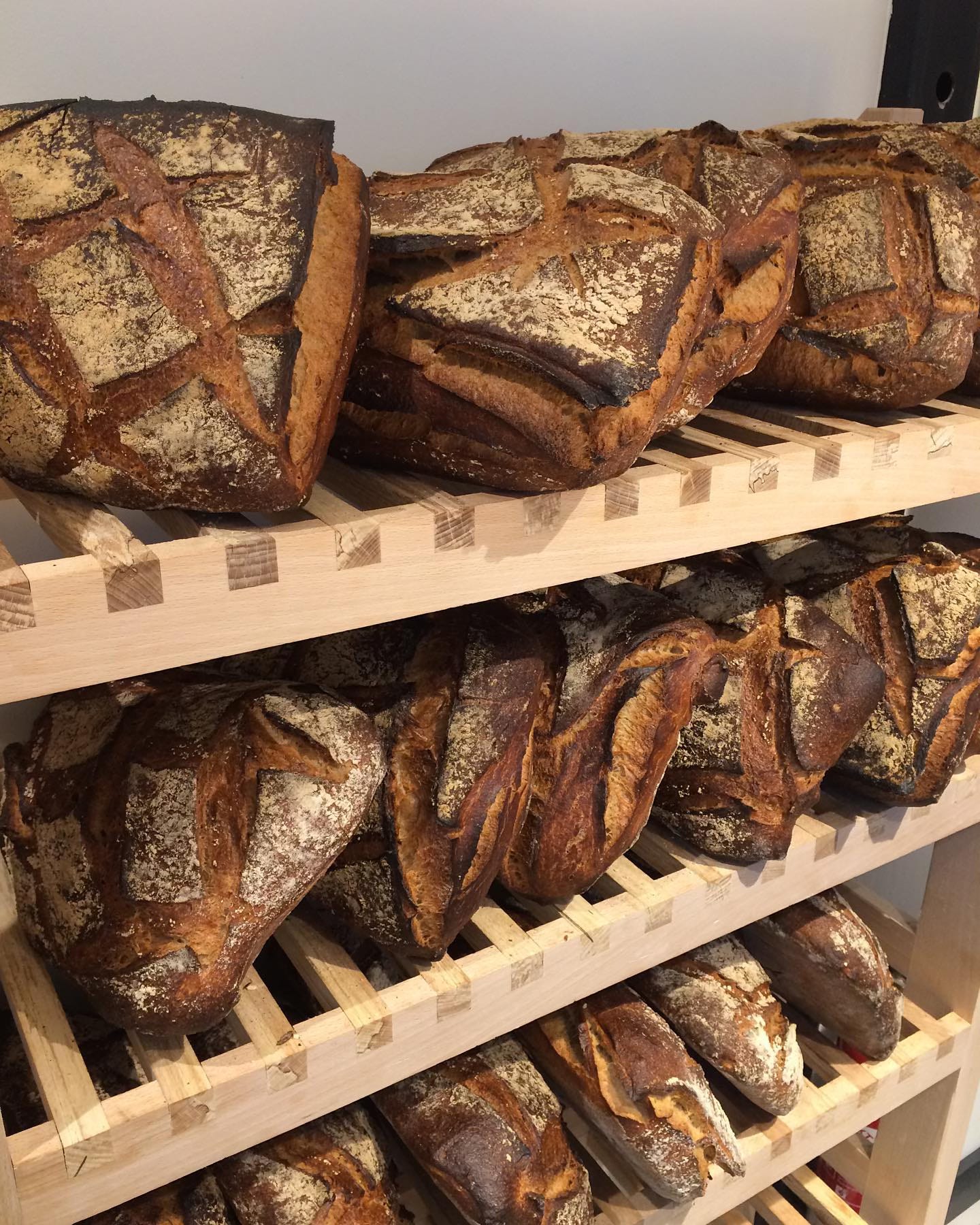

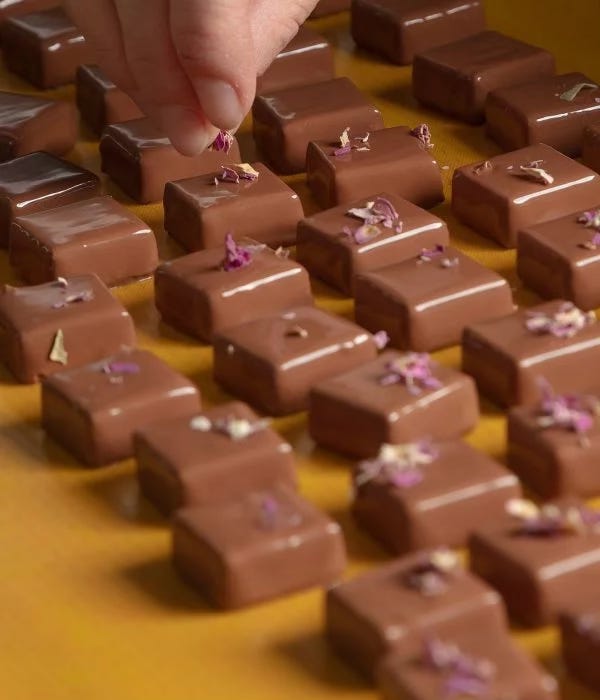
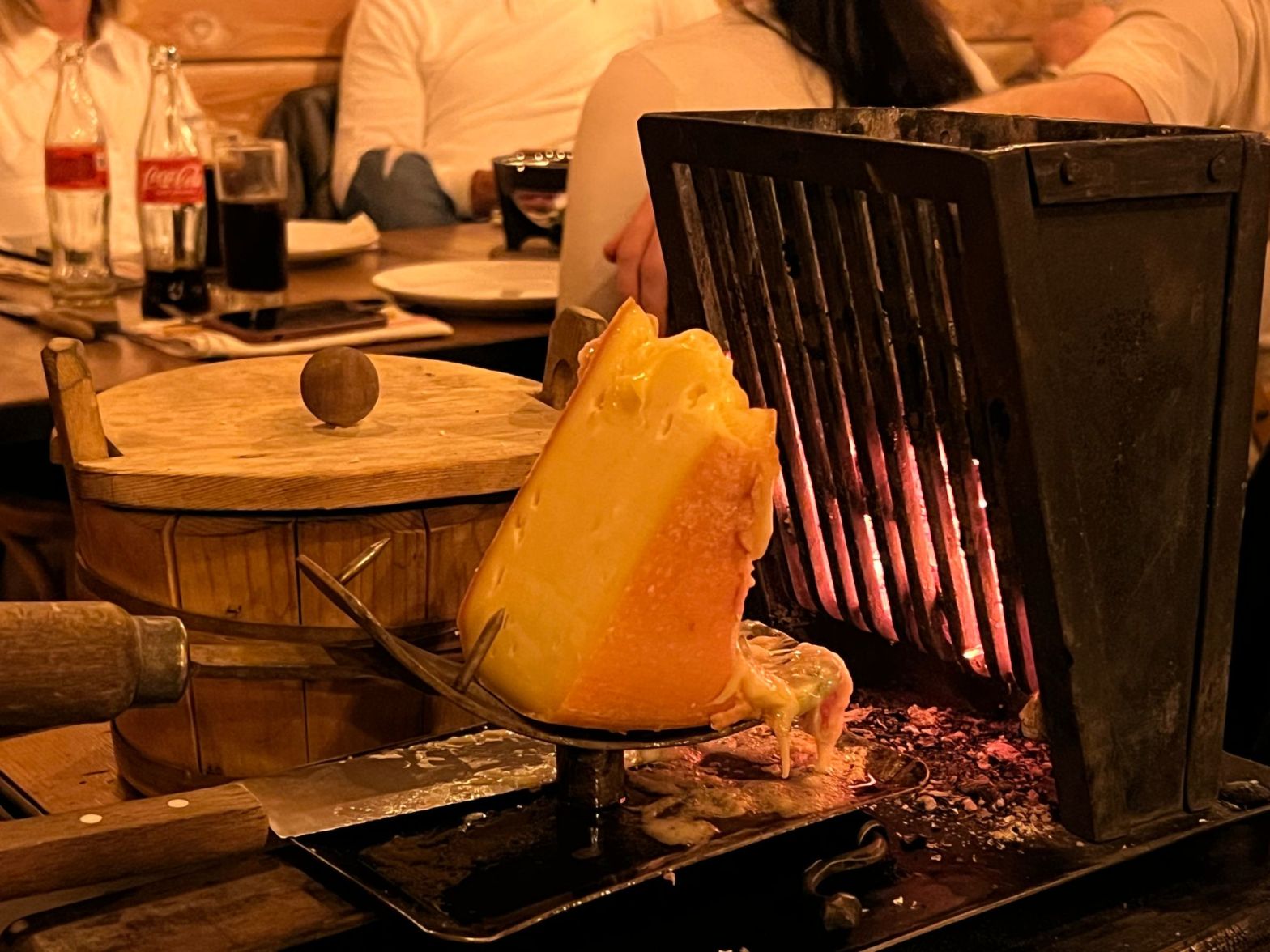
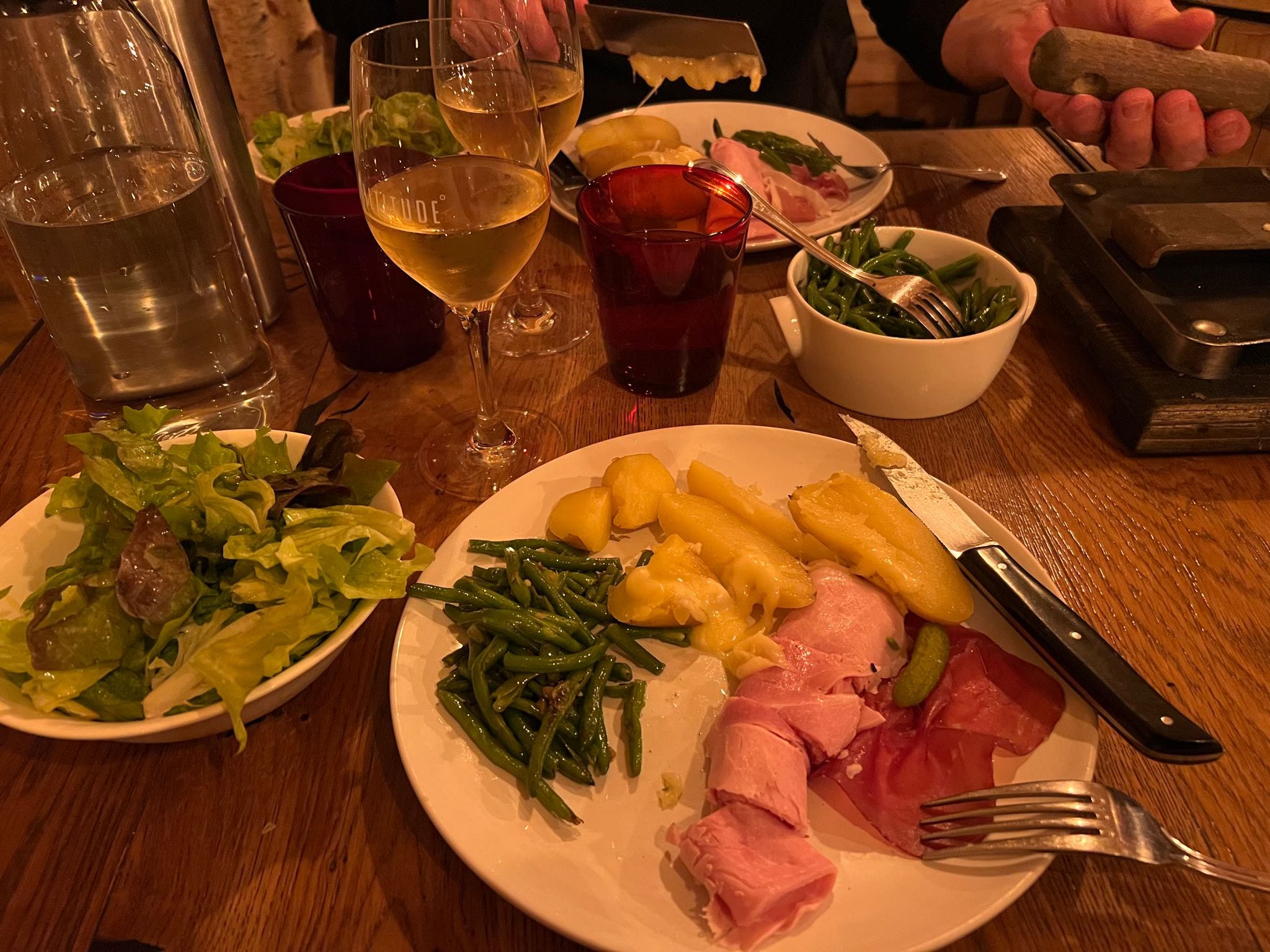
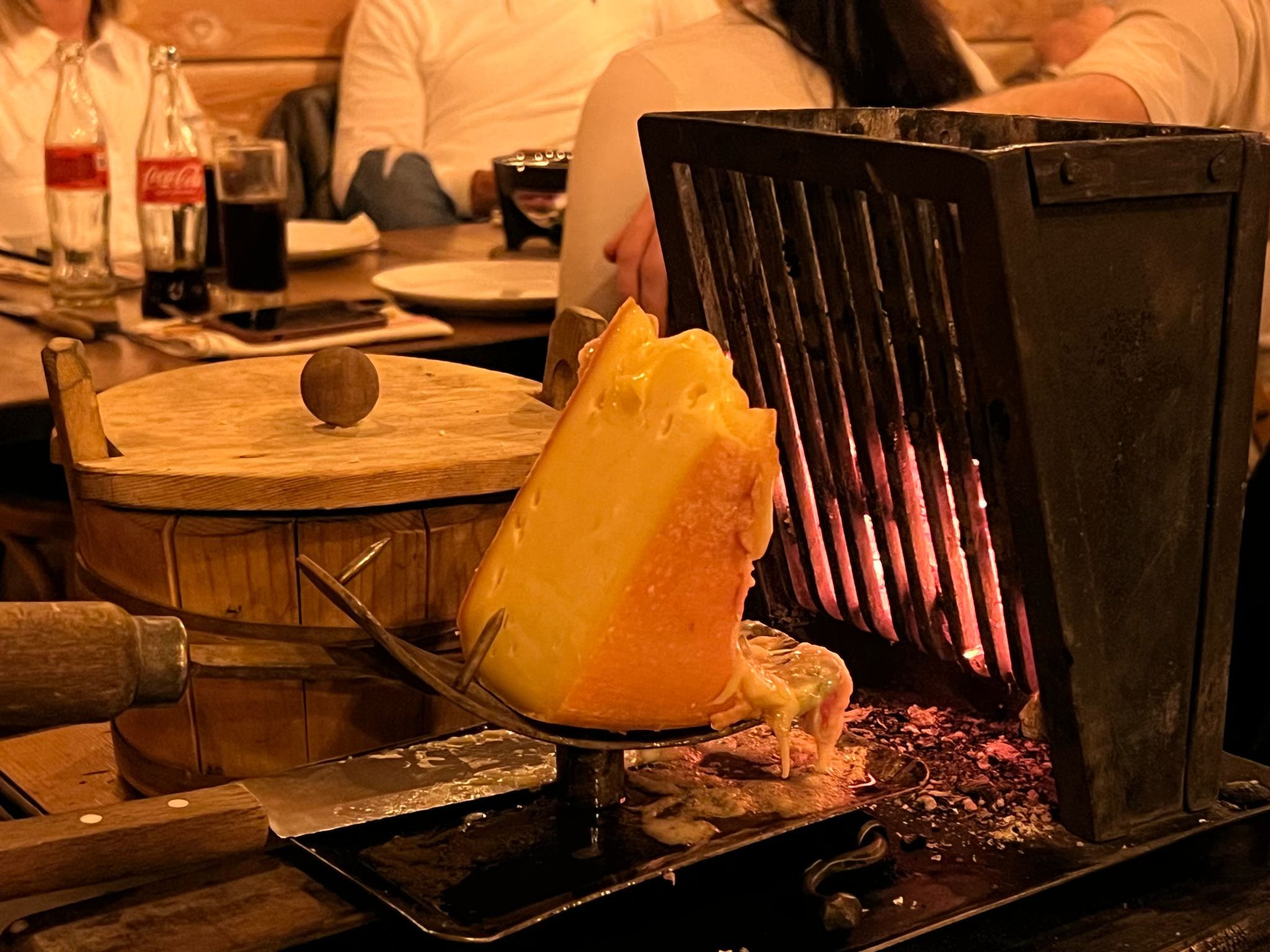


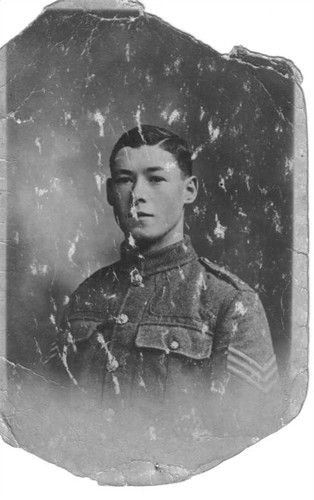
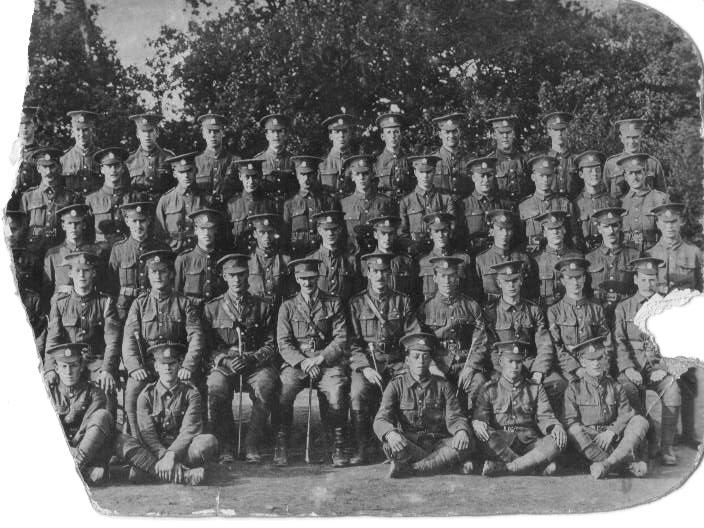
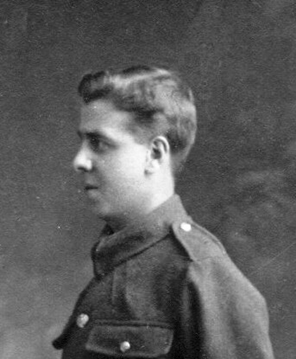
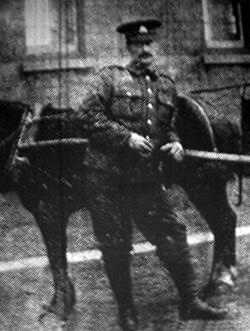

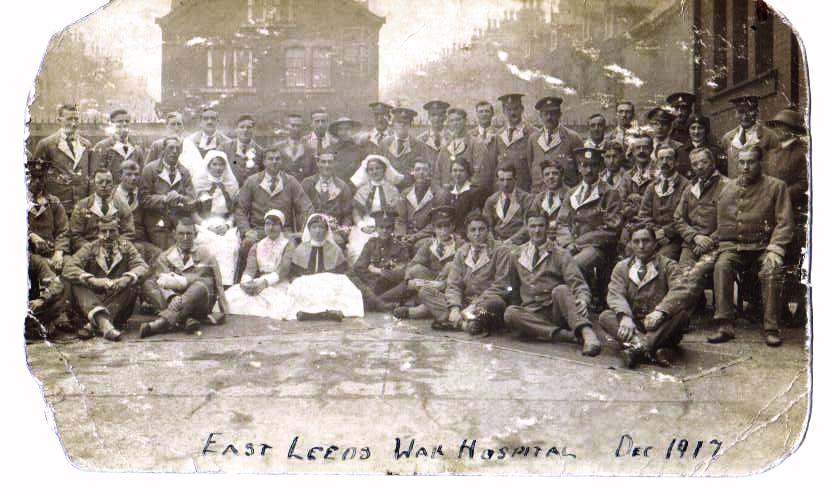
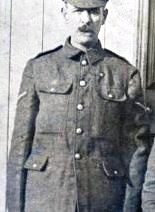

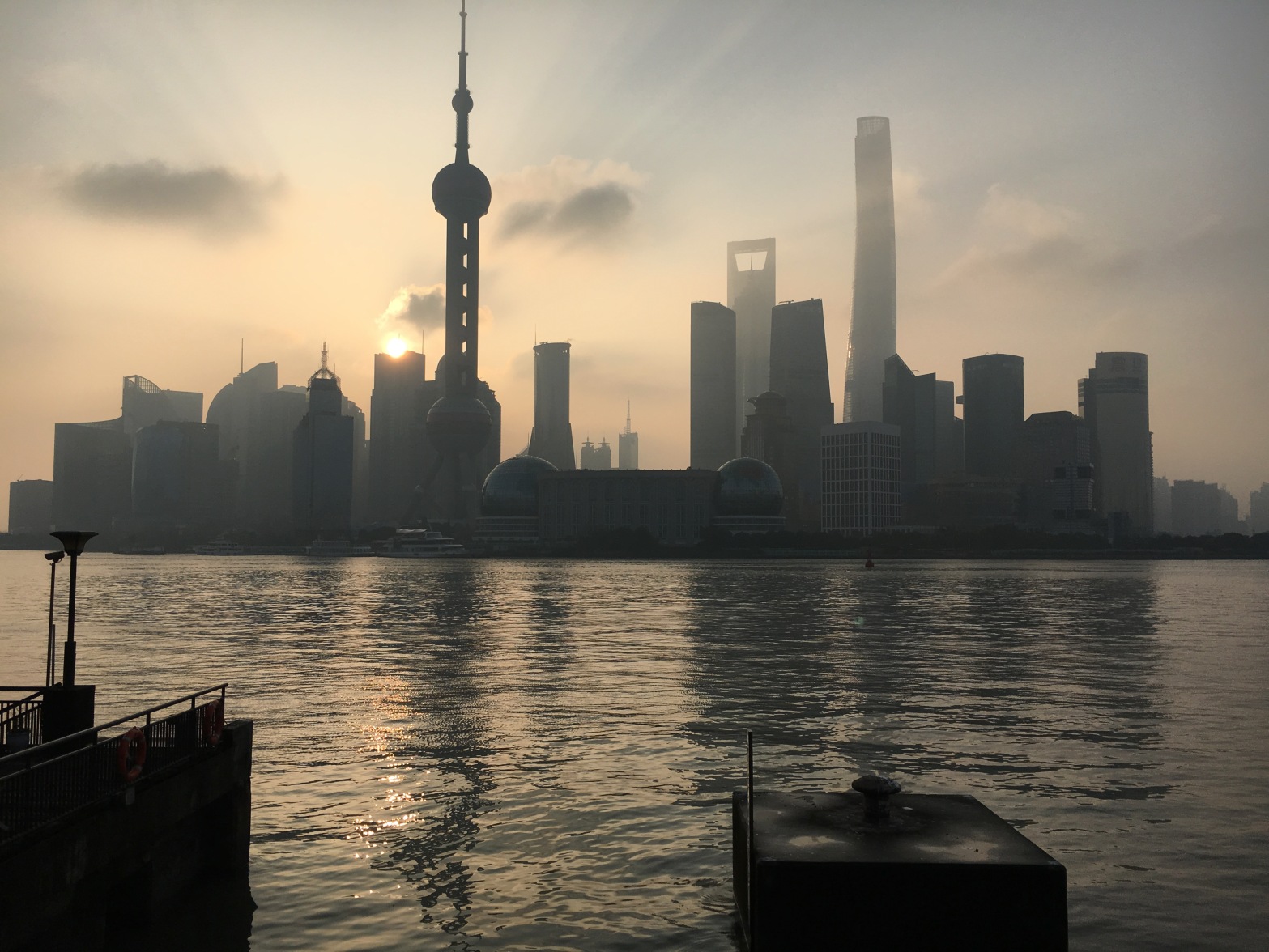
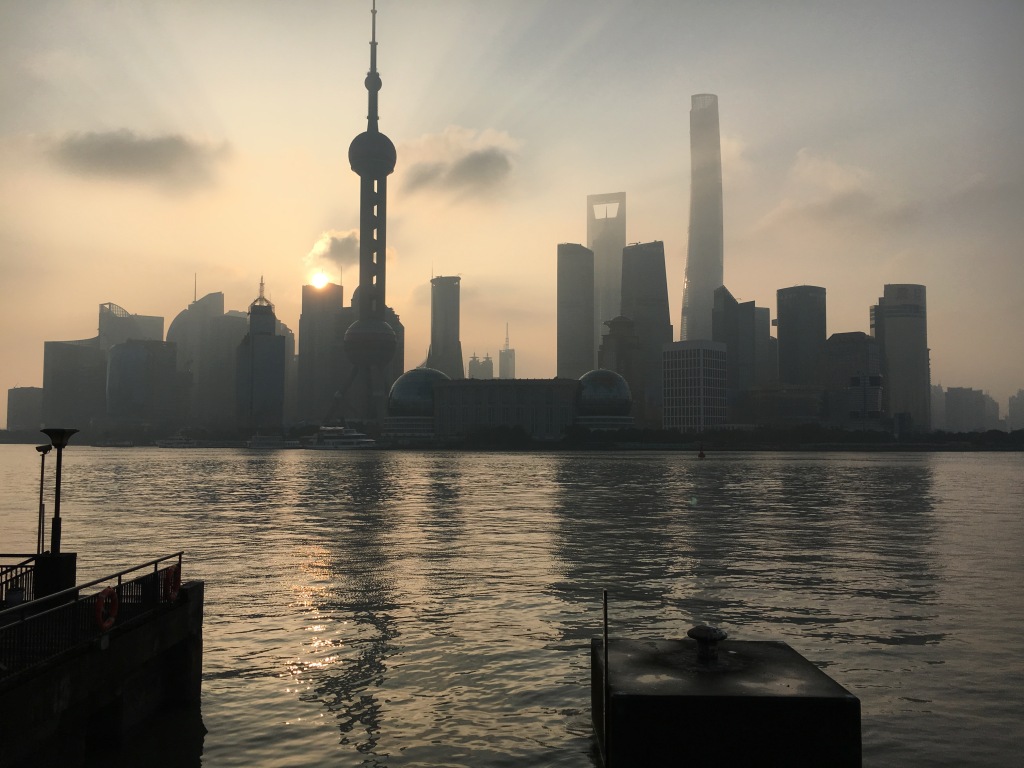

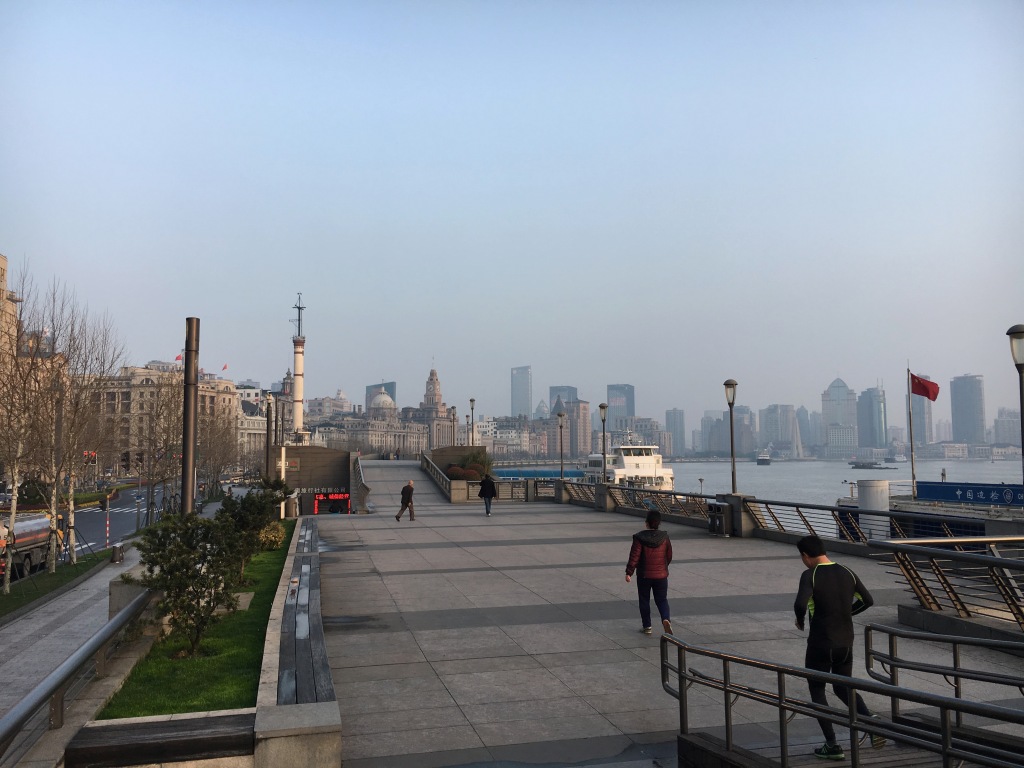




 Anecdotes and Antidotes in Burgundy