Confinement less confined

Normal service yet to be resumed

Just as the tools of on-line collaboration have brought long lasting changes to the working dynamic that are still working their way through into permanence (regardless of the ridiculous flailing of the commercial real estate establishment, and their arm twisting support efforts by politicians of every colour, but that is a blog on its own) the same tools have engendered collaboration, cooperation and creation musically regardless of location. Musicians have swapped files for ages on thumb drives, CDRs and even tape, broadband has allowed fully detailed files of massive size to be bounced back between people working together. The video-tools have allowed on-line equivalents of jamming in person to riff on ideas. The confinement itself brought the conscious forming of bubbles for band mates, ‘woodshedding’ of the old school type. On line releases of videos or tracks through everything from Spotify or Fortnight through to Bandcamp or YouTube brought a much needed spontaneity and immediate feedback. Lana Del Ray shelved a complete album after pretty dour feedback on the three tracks trailed, that may be career saving as artists can now avoid the label-induced rushed release that manages to completely miss the zeitgeist.

There is a lot of talk in the various Best Of lists in December about how the confinements, whether enforced or voluntary, have brought forth a veritable outpouring of creative output.

The other thing that is happening is the destruction of music industry categories that help A&R and marketing folks to sell artists to radio stations, immediate and unfiltered access means that cool songs can be shared on social media regardless of ‘genre’ or label. Lots of the 2021 Best Of lists were remarkable for their diversity of talent and music, even if I did not really like Taylor Swift, Turnstile, Tyler the Creator or Mdou Moctar’s records the fact that they appear in many lists, together, is great. 

The commercial success in terms of sales does not depend on critical approval, which is both depressing but unsurprising and it would be worrying if the tastes of a 60-year-old white dude living in rural France had any relevance on what sells. For interest here is the Apple Music top 20 for December by sales:

  1. Encanto (OST- Disney)
  2. 30 – Adele ( Pop)
  3. Sing 2 (OST)
  4. Magic – Nas (Rap)
  5. An Evening With Silk Sonic – Bruno Mars, Anderson Paak & Silk Sonic ( R&B/Pop)
  6. Dangerous – Morgan Whallen (Country)
  7. Sour  – Olivia Rodrigo (Pop)
  8. The Contract – GTA Online (Game soundtrack – Hip Hop/Rap)
  9. Red (Taylor’s Vrsion) – Taylor Swift (Pop)
  10. RWBY, Vol 8 -Various Artists (Game soundtrack)

The first thing that is obvious with this is that Apple’s sales are dominated by its sales in the US and this represents a snap shot of main stream ‘Merica. More interesting is what gets streamed by Spotify although, thanks to their annoying habit of placing songs into people’s streams that record companies pay them to insert, there are limits. These are the 10 top streamed songs:

  1. Butter – BTS
  2. good 4 u – Olivia Rodrigo
  3. Levitating – Dua Lipa, DaBaby
  4. Kiss Me More – Doja Cat, SZA
  5. Montero – Lil Nas
  6. Bad Habits – Ed Sheeren
  7. Leave the Door Open – Bruno Mars, Anderson Paak & Silk Sonic
  8. Peaches – Justin Bieber
  9. Save Your Tears – The Weeknd, Ariana Grande
  10. déjà vu – Olivia Rodrigo

I think this gives a much broader snapshot of what young people are listening to in more than just the US. More urban, more dance driven and other than Ed Sheeren and the Beeb, very diverse as in not a bunch of skinny young white guys. The Apple list seemed to be what the average middle American Mom and Dad have been listening to while driving the family mini-van, the Spotify most streamed is more fun if not necessarily what I would listen to, Korean boy bands are definitely not my bag, baby and in the top 100 streamed songs for last year not only did none of my choices for ‘best of’ make an appearance I can honestly say that only two – Glass Animals and Big Red Machine would be found in my music collection so I am reassuringly out of touch and not down with the kids.

Anyway, for what its worth I thought 2021 did deliver some really cool music of many stripes and so here is my selection. There is a playlist on Spotify here but for the purist the links by the album are to Bandcamp.

Self-Esteem – Prioritise Pleasure – fun pop music with an indy attitude and a self deprecating sense of humour dealing with all the issues a 30 year old woman juggles with in a Britain that has been run by the Tories since 2011. I love the harmonies but my daughter dismissed them as a bit too musical theater. This is the link to all the sources, including Tidal, which will please Pete Martin.

Kissed Her Little Sister – sleeping giant – electronic folk pop – Jeff Morisano has been making personal pop music for over 10 years, generally under the radar. This last album has the same pop hooks but inspired by the successful recovery from a difficult birth of his son it is consistently upbeat and a good soundtrack to looking outwards after 2 years of locking down.

Jane Weaver – Flock – indie synth driven with some overtones of prog and Stereolab rolling melodies. Jane has been around a few years on the edge of getting recognition and this album building on 2017’s Modern Kosmology’s positive vibe got her that wider acclaim. Ignore the fact that Coldplay sampled her, nothing much in common.

Matthew E. White – K.Bay – southern rock – big bold songs with band and lots of swaggering arrangements. It still is southern rock but more swampy Nawlins, more Dr John than Skinnerd. Works out of Virginia with a bunch of longstanding sidemen and another one to have been around a few years but this is very cool.

Hayden Thorpe – Moondust For My Kingdom – synth pop. Since the sad demise of Wild Beasts the two prior vocalists Thorpe and Tom Fleming have released solo stuff, Fleming under One True Pairing which took a more rock approach. Thorpe’s stuff has been lighter and poppier and synth driven but still that interesting melody and rhythm mix that made the Wild Beasts so compelling.

Liars – The Apple Drop – Electronic – Now Liars is just Angus Andrew and he has moved back to Australia from Brooklyn they are technically an Aussie band. They have never made two albums sounding the same, relentlessly experimental, slightly crazy, he is a great example of confinement being anything but confining.

Lump – Animal – Electronic Folk- Laura Marling has obviously got bored with singer-songwriter/folk stylistic limitations and this, the second album with Mike Lindsay, the former Tunng creative force playing all manner of keyboards is a further step to more interesting ground. She uses her voice like a soundscape as well as just writing and singing the lyrics. If you have seen her play live you know she hates the tropes, encores and all that so collaborating with someone has produced good results.

Squid – Bright Green Field – Shouty post-rock – They use the term punk with this type of music which is a misnomer for those of us old enough to have lived through punk, as in the original noise fest that was 1976-78 and not GreenDay or any of the pop pretending to be punk that came after. These are bright young men wearing their learning on their arty sleeves and the music delivers large chunks of angst and excitement, Brighton meets The Beasties, some harks back to XTC or Talking Heads. Interesting mix of instrumentation includes brass and keyboards, funky meets post-rock in that quiet, quiet, loud, bop, loud, quiet way. Odd connection is that Martha Skye Murphy, aka daughter of Karl Hyde of national art institution Underworld does vocals on one track.

Black Country, New Road – For The First Time– Jazz-noise – I keep getting people trying to persuade me that Jazz is worth listening to again and arguably the attention from diverse musicians it is getting has attracted new younger talents to a genre that did everything it could to live up to Zappa’s eternal put down “Jazz isn’t dead, it just smells funny”. These guys are groovy, loud and manic, its is definitely not the art of the cool.

Sault – Untitled (Rise) – Soul? This is a gorgeous collection of soul funk songs with a mix of jazz, grime and hip-hop influences. Sault is a collective of London based musicians shepherded by the producer Inflo, I am not a massive Little Simz fan but his stuff with Michael Kiwanuku I loved. Great live drum sound and just a solid groove throughout, a very upbeat happy journey which considering all the collective crap we have been through in the last 2 years is very welcome. They released two albums in 2021 and Untitled (Black) is just as rewarding, incredible creative output showing how collaboration can really keep energy levels high.

Dry Cleaning – New Long Leg – Alt-Rock? Guitar, bass and drums making a good hard racket with spoken word vocals, not everyone’s cup of tea normally but the unusual, acerbic at times, sparkling takes on modern life of Florence Shaw make it a compelling listen. I have a soft spot for ‘Sprechgesang‘ and love the stuff done by the Canadian Myra Davies with Gudrun Gut as well as Tenesha The Wordsmith.

A veritable smorgasbord of songs that will hopefully strike a chord, if not with all maybe a selection and perhaps it will introduce someone to you that may otherwise have slipped off the radar of Spotify’s suggestions and prompts into musical oblivion. 2021 had lots of issues but it certainly delivered some amazing music. I am sure 2022 will also build upon this as stuff that has been worked on in studios and bedrooms gets to be toured and played in front of actual people at last. Get out there, buy some product, see some live music, get the t-shirt!
“And the award for being a good sport goes to Devon Newgarden!”

It was tough being the child of an overachieving sportsman when your sporting genes seemed to have gone missing. No hand eye coordination, no unusual stamina or long power, perhaps a total absence of ‘quick fire’ muscle. As the son of a man who was 6’4”, who had reached 6’ by the ripe old age of 14 Devon felt short all his life. He had a very fascinating internal world going on inside his head at all times and even eating tended to get in the way of his enjoyment of that, so he had never been a big eater. Devon was the small guy in every group of California school kids he was ever part of. He knew he was loved by his Mom and Dad but he also knew how much he disappointed his Dad. His Opa, Carl Senior, did not give him much respite either. The first question out of Opa’s mouth on his frequent visits up from retirement in San Diego was wanting to know how his current sport activity was going. At Elementary school the teachers worked out that Devon had a pretty severe case of short sightedness, probably by his inability to answer any question involving the blackboard but exceling at every question involving the textbooks. Devon had not wanted to make a fuss and the general fuzziness of life was not something he found unpleasant. Even with his newfound 3D detailed vision he was still uncoordinated, and he valued his new glasses and the various sporting efforts his Dad and Opa encouraged seemed more likely to damage them.

They were patient in their group exploration of the limits of Devon’s sporting prowess, they tried every possible sport to see whether something odd like horseshoes, which his Dad also excelled in, was the sporting vein of gold. T-ball, Pop Warner Football, Soccer, Baseball again just in case in the 2 years since he sucked at T-ball he had grown Ted Williams-like resolve, Volleyball, Ice Skating in the hope that maybe Ice Hockey would then naturally follow and Soccer, just one more time. Devon actually enjoyed soccer more than the other forms of torture in so far as the field was pretty large and he could amble around in a space on his own, exploring the grass below his feet or imagining the insects weaving their way in the turf. The general noise from the shoutingly encouraging parental scrum could be tuned out and he got a medal at the end of the short season, although the award was just for participation, he still carried it home with much pride.

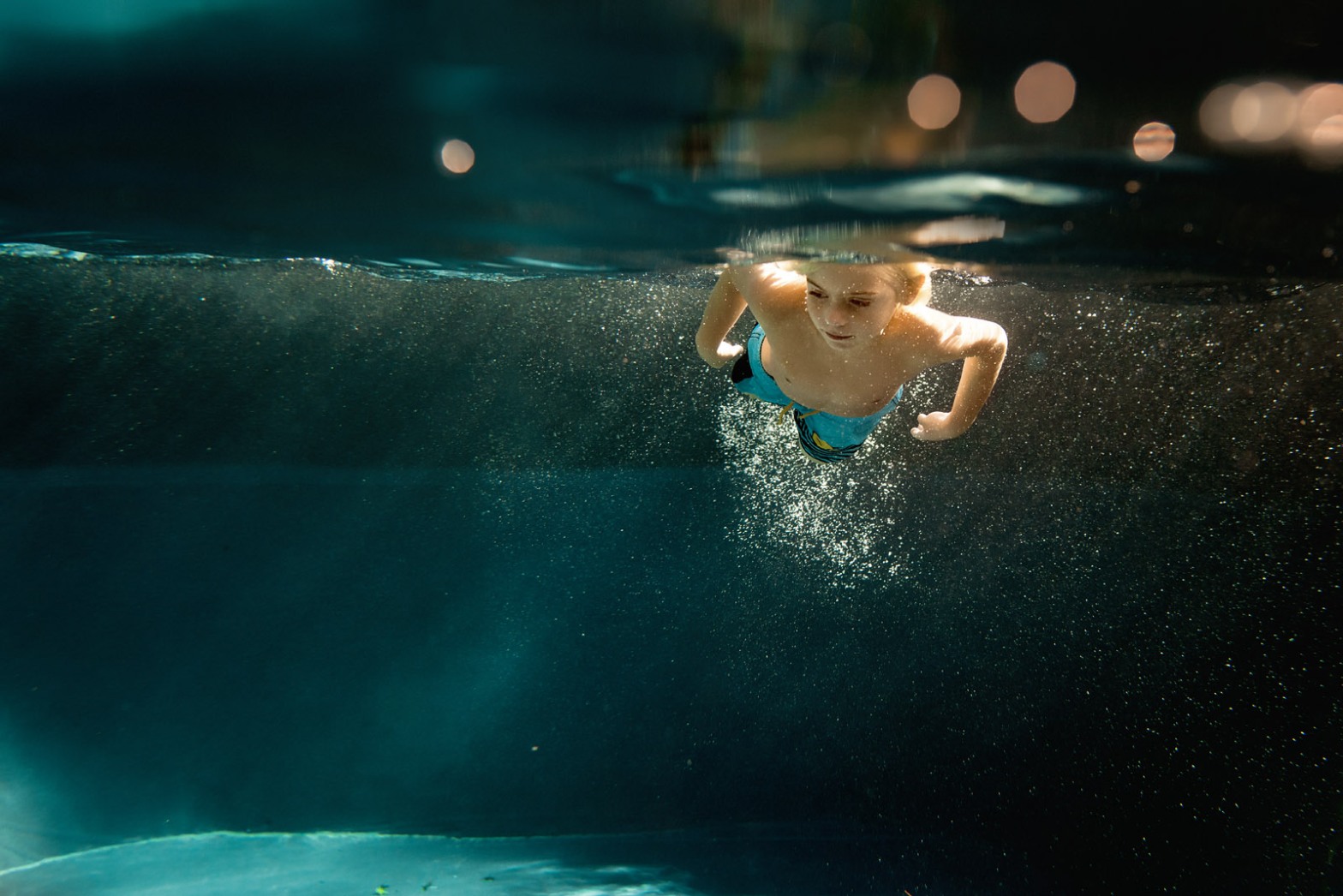
His Dad was stoic if somewhat disappointed as his goal was for Devon to have the same fun that he had growing up but their obvious differences in both stature and coordination and general sportiness grew more apparent as Devon grew, or didn’t grow as Carl had hoped. He made one last effort with swimming. Their home was in a development with a shared sports club including a pool and a swim team. Devon could swim enough to save his life in case in some throwback to his grandfather he was ever torpedoed but he enjoyed the pool more for the coolness of the water in the East Bay heat of summer. He loved nothing more than to close his eyes, sink to the bottom and imagine an undersea world of quiet bliss while bubbles slalomed to the surface barely disturbing his private sensory deprivation. Swim team was a different world, his Dad would gamely drag him out of bed at 6.00 am 5 days a week and with his coffee mug in his hand walk a shivering, stumbling son across to the swim club then returned home to read his paper and get breakfast. Meanwhile Devon would be forced into the endless repetition of swimming up and down his lane with the kids slightly younger but the same size as him for an hour. Devon had real trouble seeing much without his glasses, so he often ploughed straight into the end wall of the pool if he was pushed to do practice races. After 6 weeks of this daily auto-da-fé the first swim meet of the year duly arrived against several local swim clubs including the home club of the famous Spitz of Olympic hero status. Carl was new to this ritual but approached it with excitement, to share with Devon in a sporting moment of reward for his hard work and diligent effort. The Saturday duly arrived and they were there early at 7.30 am with all the other willing and game parents. They checked out the race schedule and Devon had a 50m free stroke, Boys Under 9 race at 11.20 on Sunday and a Boys Under 9 free style 50 m relay at 3.50 that Saturday afternoon. They watched and cheered gamely as race after race of splashing children were roared on by the partisan parents, they ate the doughnuts, they chatted or at least Carl chatted with the other parents while Devon rested his head, his cap on his head ready to go, on his drawn up knees and swam off into his private world of imagination. They got hot dogs at lunch and soda and applied some more sunscreen. Devon’s Mom and his sister Melissa came for lunch, then went home but promised to come back for his race. Finally, as the sun started to be shuttered by the stands of Eucalyptus trees around the swim club the Under 9’s Boys’ Freestyle race ticked around on the card, a mere 20 minutes later than planned. Devon and the other Under 9s stood on the starting boxes and awaited the starting horn; swaying ready, set and off they raced. Boys that age are not exactly cutting sharply through the water, it’s more of an egg-beater meandering gamely up the lanes, the turns are not slick tumbles and Devon had not actually mastered the tumble turn. He swam until he crashed into the end wall then turned around and went back the other way. It was game, it was tiring and even with all the Newgarden family cheers of support Devon came in 8 of 8 and half a length behind the winning boy from Alamo, who they noticed, when they got out of the pool, nearly a foot taller than Devon.

They gave him lots of support and ice-cream for desert that evening and Devon went to bed relatively early, exhausted from the weight of the expectations if not the physical exercise. Sunday morning was bright and his Dad was right there at 7.00 to get him up and breakfasted ready for his next race. Carl understood the parental code of everyone being there all day and supporting every swimmer on the team, not just your own kids so they were there at 8.00am with everyone else in time for the first races. Devon’s relay race did not go any better, in fact it was worse as their team were in the lead after the first 2 swimmers before Devon hit the water and for all of his brave egg-beating frenzy he came in last of the 3rd swimmers and his team finished 7th. There was only so much Devon would be able to do and his Dad understood that, he finally conceded that maybe sports were not his thing and he was honest enough to himself to realize that he had no stomach for sacrificing complete weekends to watch other people’s kids swim up and down. They talked it over on the way home and his Dad and he agreed that maybe swim team was not his bag, so when he got home Devon had a big smile across his face.

Carrie Newgarden was a happy upbeat woman, a believer in the power of positive thinking and keen on developing various skills while being very content with her role as a full time Mom. She would drive the kids around from one activity to another and they would all sing along to the pop music on the radio in the station wagon. The kids both loved to sing, and she noticed Devon only had to hear a song once and he knew the melody cold and most if not all the words, as she would hear him later in his bedroom singing to himself. With Carl’s sporting obsession now well and truly lanced for Devon if not for Melissa she wondered if maybe Devon would like to develop his musical knowledge, perhaps that was where his talents were?

One of the women, Cathy Lee, she played doubles with at the tennis club, was the wife of one of the local OBGYNs, her and her husband were originally from Hong Kong. She described how she was making both her kids play piano as part of a general learning discipline. With her desire to give Devon a musical outlet she asked Cathy where her kids got their lessons and Cathy gave her the number of a Mrs. McAlister. She warned her that Mrs. M was a disciplinarian, a follower of some slightly nutty version of Christianity but a reliable and well-trained teacher, with a Master’s in Music Theory. She gave lessons from her home up the road in Concord, the slightly down at heel dormitory town for the industrial chemical complex on the Delta at Martinez and home to an under-publicized storage facility for the Navy’s nuclear weaponry.

Carrie took Devon to meet Mrs. McAlister the following week after a short phone introduction. The house was quite pristine in a mixed neighborhood of ranch style homes on large lots. There seemed to be a bit of a menagerie in the back yard but the zoning in Concord allowed the keeping of animals for domestic consumption, something Pleasant Hill specifically restricted. From Cathy Lee’s description of Maggie McAlister Carrie had some trepidation and expected to find a dour version of Church Lady, all twinsets, pearls and bibles. However, both she and Devon were welcomed by a pretty, smiley woman in her 40’s and her house and music room were tidy and quietly focused on all things musical; scales and keyboards abounded. Tea and cookies, home baked and healthy, were presented while she asked Devon about his musical attainment. When she discovered this was virgin territory, she was encouraged rather than the opposite, She was keen to start the transition of Devon from a non-piano playing member of humanity to one of the keyboard cognoscenti. Devon spent 2 hours a week in that house every week for the next four years, holidays and high days excluded. He progressed fast and practiced at home on the first of several electronic keyboards that he was bought, they were not as good as a piano but it gave him something to work with. He enjoyed the discipline of the practice and learned to read music quickly. As his skill grew Maggie stretched him and had him perform more and more complex pieces. She staged a twice-yearly performance where her student performed in the garden for the gathered parents. The kids changed constantly over those four years as many get burnt out with the mindless repetitive practice of a music they have little affinity for, but Devon became a dependable presence and over time a standout performer. By the time he was pushing 12 Maggie thought he needed someone who would be able to take him to the next level and so suggested to Devons’ Mom that she would recommend him to David Keppler who had a studio and classroom in Lafayette, and a real concert grand for Devon to work with.

Devon duly said goodbye to the McAlister music room and backyard menagerie, the handwritten signs and acronyms for scales, the smell of home baking and the sweet smell of cinnamon in Maggie’s frequent herbal teas. His dad was happy Devon had found something to occupy his time with and had started, belatedly, to coach his sister Melissa in softball, so he in many ways lost touch with Devon. They lived in the same house but occupied different worlds. Carl rose early to drive into San Francisco and traveled a lot and when he was home, he was watching sports or coaching the girls. Devon scrambled out of bed at the last possible opportunity to grab a pop tart on the way out of the door to go to school. Every afternoon he wrapped his homework around the 2 hours a day of practice on his new keyboard while wearing headphones in his room, the sound of the clacking keys becoming an ever-present ambient sound in the Newgarden home. He folded his life around the 2 lessons a week with the serious Mr Keppler. Mr Keppler spoke at a level barely above a whisper. He hinted, harrassed and guided his students relentlessly but always quietly. Picking up their errors, not as they occurred but in review after a piece was finished, going through every slip, fumble or gaff in precise order so the student had not only the false sense of success but then the arduous task of remembering when and how each slip, fumble or gaff had occurred so they could avoid the same fate next time. Devon bent his nature to the will of Mr Keppler, he concentrated and he avoided the screw ups. The progress was not celebrated with cups of herbal tea or cookies. It was celebrated with “Mmm, better, better.” The one glimpse of creativity that had been glimpsed in his first few months in Keppler’s wooden hall of a studio was not the Bösendorfer in its shiny black gilt-edged grandeur but the rows of serious looking electronic keyboards around the walls. Keppler kept him playing the standard practice fodder of Debussy, Bach and Mozart as that was needed to be mastered for the various levels of qualified success that charts the pianist’s life. However, towards the end of the second year of working together Keppler introduced the occasional jazz standard with the excuse that, as much as it was not performance music it introduced a new technique or time signature for Devon to master. 

Carrie was proud of her son in the same way that Carl would have been if he had been an All-Star, hitting home runs. There was less to show off about it with family and friends but it pleased her to see Devon so obviously happy. For his 14th birthday she thought it was time to get him a real piano at home, not a grand piano as they didn’t really have the room but an upright. She talked to Carl and he was supportive, he was doing well at work and getting a good bonus that January so she went to see Keppler to ask his advice. She explained what she wanted to do for Devon and he sighed, put his chin on his finger in a slightly camp way and said he would think it through and talk to some people, and get back to her.  He called back later that week and said if she was serious about buying him a piano she should understand that for it to have the proper effect on his practice it should have a full size action and keys, that generally means a ‘professional’ upright. They are $6,000 to $25,000 normally. At which point Carrie nearly fainted as in 1990 this was the price range for a small family car. But before she could try to tiptoe her way out of the conversation Keppler said that he had a former student, Donald Judd, who had been very successful in getting a new sponsorship from Yamaha and been given a new baby grand only 1 year after buying a really good professional Weber upright. Keppler had persuaded him of Devon’s need, and he was happy to let it go to a good home on his recommendation for $3500 and so he had agreed on her behalf that it was a bargain too good to miss so they should arrange to pick it up this Saturday. Carrie mumbled her thanks and scrambled to find a pen to write down the address in Piedmont and wondered how to break the news to Carl.

Carl was actually pretty relaxed about the price which was a pleasant surprise, but he was never cheap and respected good equipment, whether for golf or skiing so his son having a good piano made sense. He called in the help of a couple of the younger stronger guys who worked for him to pick the piano up, rented a U-Haul with a loading ramp, padded blankets and lashing ropes and with Carrie leading the way in her Toyota the convoyed through the hills of Oakland to Judd’s house. The young man met them at the door and lead them to the garage where the piano was standing in the shadows, next to an unused Weber kettle barbeque. Carl could not resist the crack about this was a lot of money to be paying for a Weber and made as if to take the BBQ. Judd didn’t seem to get it. The driveway was a square of typical red bricks so the piano wobbled its way down the drive, and the 3 guys heaved and hoed and the piano was padded and restrained and the door slammed shut.

Back home in Pleasant Hill they released it from its temporary restraining order and using the U-Haul ramp got it up and into the Newgarden’s house. Beers were drunk in celebration of the day’s hard work and the guys from work, Wriggles and Leach, headed off to enjoy the rest of their Saturday and Carrie set about to work out how to hide a large piano to maintain the birthday surprise. Her solution was to find a camping tarpaulin and cover the ebony and then layer various camping items on and in front of it. When Devon came home from piano lesson later, he walked straight by the mess in the den and into the kitchen, opened the fridge, took out some cheese sticks and went upstairs to his room. The elaborate cover story of looking after a neighbor’s camping equipment during a garage floor sealing exercise stayed in her pocket.

Monday rolled around and Devon’s birthday dawned and for once his Dad woke him up with a mug of coffee. “I’m heading out of town to Chicago for 3 days but wanted to have a birthday celebration with you before you go off to school, get dressed and let’s get a real breakfast all together, your Mom’s doing pancakes!” Devon duly showered, threw on some clothes and arrived down in the kitchen for his birthday breakfast to be greeted with a rousing, if off-tune, rendition of Happy Birthday from his sister and parents. They slathered the pancakes with syrup and as it was his birthday he got to have cream whip on them as well. When that was done they all looked at him as if he was supposed to do something but then broke the ice by saying we have something for you in the Den and proceeded to blind fold him and led him through to the other room where the scarf covering his eyes was removed to the cries of “Surprise!!”and in front of him was the shiny patina of a seriously big upright piano. Devon was a boy of few words and was even more lost at the surprise, but he managed to hug his Mom, then his Dad, then Melissa and mumble thanks, thanks, its awesome. He then asked whether they got a piano stool for him, which of course they had not so they got his desk stool from his bedroom and he duly started to play to hear and feel how it played and he fell in love with it, and cried and mumbled thanks guys over and over. Carl went off to Chicago, Melissa went off to middle school, Carrie to clear up the pancake mess and Devon never forgot that morning.

“Is That Right?”

To those of an old-world persuasion a coach is form of transportation for large groups, different from a bus in not having two floors nor having a conductor. Conductors having gone the way of ostlers and lamplighters, now all we think of is a man and his baton but there was a time when they were ubiquitous. Coach is an American word and a role iconically embroidered into the fabric of life, from childhood through to highly paid role models wearing expensive headsets being drenched in buckets of Gatorade.

Coach was a nickname bestowed upon Carl Newgarden by Wriggles and the rest of his young staff amongst themselves, if never one they used to his face. In his later life he actually became a business coach, so the unwelcome hat did fit after all. Carl was one of those men who are naturally gifted, a college basketball player, a good golfer, he was ridiculously good at horseshoes, not something you get to show off too often. His Dad had coached him to be a baseball star but becoming 6’ by the age of 14 cast his fate away from the diamond and onto the parquet floor of the gym.

His dad was Karl Newgarden and his grandfather was Karl Neugarten. Nuegarten senior grew up in Marburg in the Rhineland and joined the Imperial Army in 1914 in the 30th Division as an infantryman. Like most if his generation he expected a short bloody fight and a repeat of the victory of 1879, he thought he might get to see Paris and meet pretty French women. The French army did its best to repeat the errors of its predecessors but marginally managed to stop the German advance, once its supply routes broke down, a victim of their own success. So instead of strolling along the banks of the Seine, Karl senior found himself spending a large part of the next 4 years underground in a former quarry called the Elephant Hölle on the elegantly named Chemin des Dames front. Karl senior decided then or sometime soon after that maybe there had to be a better life away from Europe and its war obsession. Demobbed, he worked in a slaughterhouse, scrimped and saved and with a loan from his older brother bought a ticket on a steamer to Philadelphia where the Italian American immigration clerk changed his name to Newgarden.

He found work at a slaughterhouse in an industrial suburb, Bridesburg, and lived in a community of German immigrants all trying to not be seen to be too German and never let on that he had actually been fighting for the other side. He married a tall bluff woman whose family had come from the Saarland in the 1890s, she rarely smiled and was fiercely Catholic, every trial in their life together was always due to some small failing of Karl in the eyes of her god that she would have to go and confess for. They had one son, Karl and he also always seemed to fail somehow, in the eyes of his mother. It was no surprise that as soon as Karl reached 18, he announced he was joining the US Navy and he never returned to Pennsylvania.

Karl loved the Navy and the Navy loved Karl. He travelled the Pacific on several different grey shiny aircraft carriers, the floating behemoths which brought American technology and power into a head on collision with Japanese imperial ambitions. He survived those ambitions slamming fully loaded aircraft into the deck of his ship, he survived those ambitions sending torpedoes into his ship and testing his swimming skills. He was promoted for his daring-do and his unflappability. After all, if he survived 18 years of his mother’s acerbic tongue so a little fire and high explosives seemed very manageable. The navy was an equal opportunity employer and Karl grabbed the opportunities that came his way and he had what they would call a “good war”. When he came back to San Diego on leave in 1943 he met and fell in love with Ingrid, a dark haired, green eyed girl from Carlsbad whose family were originally from Denmark and had a small dairy farm. She was working in a factory making uniforms for the war effort so she appreciated the tall blond Lieutenant’s dress whites. They danced, they dated, they had a few drinks, they messed around, they danced more and with only two days of his shore leave left he went to Carlsbad and asked the sunburnt Dane for his daughter’s hand. They got married at City Hall the day before he left for the campaign to recapture the Philippines. They spent the wedding night in a mainly pink motel called Shangri-La Sunset.

Three months later he received a letter from Ingrid letting him know that they were to become a family sooner than he had planned. A little boy duly arrived in early 1945 and the family moved into Officers’ Married Quarters in San Diego and then the family moved to Moffett Field in Northern California and the war ended with another Little Boy and Fat Man visiting Japan. Karl finished his navy career at Moffett as an instructor and the very day his 30 years were up, he retired, at the ripe old age of 48 and spent the next 15 years being a full-time father to young Carl. Grandpa Karl came and visited a couple of times, without his pious and ever mirthless wife. He talked to young Carl in German, a language his own father had abandoned along with his ties to that heritage. Karl Senior regaled him with stories of his young years in Marburg and during the trenches of the First World War, which seemed a lifetime and a world away from California to Carl. His Opa never skimped on details or treated his young grandson as anything other than an adult, Carl would be astounded by the tales and adventures, all he could say was “Is that right?” as a casual constant punctuation to their conversations. Sadly, a lifetime in the slaughterhouse had taken its toll and Opa died when Carl was 10.

Carl was taught by Karl the instructor to do everything precisely, patiently, and punctiliously, even baseball. His father made him bat with his left hand, so he could switch hit. He was made to catch and throw with left hand as well as his right. His Dad took him to see the local minor league team, the San Francisco Seals, and taught him how to scorecard the game properly in his scorekeeping book using the Chadwick codes. Carl did well in school and was popular with teachers and the other kids, he was great to boast or tell tall tales to as he could be relied on for a positive and encouraging rejoinder of “Is that right?”, while nodding his head along to the rhythm of the tale. Then the growth spirt happened and all Karl’s hard work went out the window as Carl discovered basketball, and became the school standout athlete and when he graduated he got a full scholarship to play basketball at Santa Clara University and for once being catholic had a value. In deference to his grandfather Carl studied German and enjoyed the ability to communicate in another language, it was a verbal switch-hitting and he loved the sound of the long guttural vowels. As part of the German course, he had the opportunity to go and study in Germany and so Carl closed the circle and being careful to emphasize his protestant grandfather’s Marburg roots was accepted for a year at the Philip’s University in Marburg. Back in San Francisco the summer of love happened and while young people from all over the world flocked to the city to turn on, tune in, drop out Carl went to the deeply conservative hub of Hesse to absorb Germany, its limitless varieties of beer and sausage and its culture.

Whether the sense of patriarchal pride or German notions of duty were at the forefront of his mind or whether it was as a grandiose gesture to the military career of his own father I never knew. However, upon his return from Marburg and his graduation 6 months later, Carl signed up for the Navy. The Vietnam war was now in full swing, and while the draft was a reality for most men Carl could have avoided it and deferred by signing up for a Master’s Degree, he didn’t need the heel splints or other machinations used by the less academically gifted off-spring of the rich. Carl volunteered and Karl and Ingrid were proud if slightly worried what this war held for their son. But like his father the Navy loved Carl and Carl loved the Navy. They found out he was fluent in German, so they had the perfect job, for him. Naval attaché in Berlin? They decided to send him to language school to learn Vietnamese. 6 months later Carl found himself in Vietnam at a base in Tan Son Nhut and part of the Big Ear program. The young now-fluent in Vietnamese crew of an EC-131, basically a military version of the Constellation airliner with a big radar dome on the roof, flew up and down the coast listening to North Vietnamese air-defense controllers talking to the MIG fighters defending the North from US bombing missions. Big Ear’s job was to listen in and relaying their movements to the Navy and Air Force aircraft bringing death from above. This was the analog version of today’s spy satellites. Just to add a little frisson to the mundanity they would sometimes hear the MiGs being targeted to go and attack their plane and they would, quickly as they could, try and get out of range.

Carl played a round in Okinawa on r’and r, but being a pretty straight forward kind of guy who had to hang out with his Dad way more than normal adolescents and therefore missed out on the normal teen smut, sniggers and sneaking illicit kisses, Carl played lots of rounds of golf. He avoided the massages and bath house fun and avidly read the briefings on STDs. Then, just as they were about to move to Thailand due to the encroaching Viet Cong his 3 years was up and he was sent back to the World. With his navy background the merchant shipping world was a natural next step and it beckoned him. All of that materiel that the US was raining down on South East Asia needed to get to Vietnam, as did all the food, magazines and Budweiser to fill all the PX stores across Asia. The USA at this point had a thriving shipping industry using the new container technology and fat contracts from the military machine and its outriders and the US carriers like SeaLand, SeaTrain and the eponymous US Lines all made bank. 

Carl got a job as a Sales Manager for US Lines and decked out in his 2 fitted Brooks Brothers blue suits and his white button shirts and somber dark ties, as provided by the company and stipulated via their Dress For Success handbook, he started knocking on doors in his new territory, Orange County. Carl loved order so he took meticulous notes in his small lilting script, using a silver and gold Cross propelling pencil that his parents bought him for Christmas when he returned home. It seemed almost a reward for not fucking up, for not getting maimed or getting strung out, it was in a case with a ball point but he never used the ballpoint as he wanted to ensure his notes were accurate. He asked good questions and encouraged people to share their secrets, or at least how much they were paying his competitors for their shipments, he would listen and confirm with his relaxed and friendly, “Is that right?’. He took good notes in his large DayPlanner, another gift from US Lines to help him get his three lunches and two dinners planned and landed. This was the glory days of expense account living and 3 cocktail lunches. Carl worked out a system, he would drink vodka and soda with a dash of bitters, he would get the second drink direct for him and his guest at the bar on the way back from “the head” and his second would be just soda and bitters but the guest thought he was a go-to-guy getting that swift second drink in and he would leave most of the third as he had to dash to his next appointment. The guys at the LA Sales Office would give him shit every Friday afternoon as his expense account spending was always at the bottom of the league table, but he got the freight bookings and he also got the District Sales Manager promotion.

Carl fell in love with a TWA stewardess on a Friday night red eye flight from Newark back to LA in December 1979. It was cold and the flight was held up twice for deicing and for once Tom had got the upgrade into First. It was the week before the holiday and he was looking forward to spending it yet again, alone with his ageing parents in San Diego. It was a work trip and it had gone well so for once he had a couple of cocktails during the long delay on the ground. “Dubonnet rocks with a twist” was what he drank. It wasn’t super strong, but it sounded sophisticated in a shaken not stirred kind of way. Carrie was from Oil City Pennsylvania, 5’10’ of dark-haired fellow German stock. Her family ran a Budweiser distributorship and did well out of it, so she grew up under the oaks of the local country club in a Caucasian apartheid that is particular to the eastern states and Midwest where the acquisition of money happened earlier and the segregation of the poor had a head start. They spent the flight talking and laughing. Carl was not a natural at chatting up women, he had spent too much of his youth in the male side of the country and in some ways, women were a foreign territory which was probably another reason why he avoided the juke joints in Okinawa on leave. Something about Carrie took away his reserve, ably assisted by the fruity tincture of the French aperitif he was able to talk to her like he had never had the opportunity to do before. “Is that right” worked again like a charm. Carrie had 4 elder brothers and they were all tall and confident like Carl so she felt at ease with the tanned Californian.

She had a 2-day layover before the flight back to Newark and she spent most of it in Carl’s bed. Carl knew what he liked and at times could be decisive and for once he didn’t need more data, he didn’t need to get the full background from Carrie’s friends and family, he was ready to close. He arranged to fly out for the New Year holiday, drove up from Pittsburg through the already rusting valleys north towards Eyrie and the lake. The roads were icey but gritted and salted and the big Buick rental had winter tires and so he floated up to Oil City in GM grandeur and a blazing car heater. He was introduced to the gathered Reutlingen clan by a slightly blushing Carrie. Not only were the men tall but all the women too, all had been high school athletes and so Carl was amongst his people and by the end of the weekend he had charmed them all. He took the initiative and asked her Father for her hand, which in the mores of their 18th century protestant time vault was a critical move. A date was set, and a boisterous German wedding blessed the Wanango Country Club the first weekend in March 1980. Carrie transferred with TWA to be LAX based, and they moved into a new apartment in Culver City. By the summer she was pregnant and happy to be so, as was Carl, who glowed with pride as Carrie glowed with the healthy shine of expectant motherhood.

The 80’s arrived with big hair and big shoulders and ended with mobile phones and computers in every office. Carl and Carrie had a typical 80’s corporate experience, Carl was moved 4 times, each time with bigger job and more pay, their apartment changed into houses that got bigger and fancier with every move. Houston, Nashville, White Plains and finally in 1989 Pleasant Hill in northern California became home to the Newgarden nuclear family. A brand new 4 bedroom home on a country club style development with tennis club and a pool in the back yard surrounded by gas tiki torches. Their son Devon and daughter Melissa were now 7 and 5. Carl was Vice President Rail for that same logistics business, where Wriggles had just arrived and hoped to be making his way, in San Francisco. Button down shirts, dark suits and loafers were still the best way to dress for success.

Carl’s goal had been to replicate his own blissful experience of growing up in the America of Eisenhower’s men. He worked hard to bring home the bacon but he had always found time to coach his kids, like his father had with him. Devon was not Carl, in fact he was like some genetic throwback to an earlier less well nourished version. So from being a fussy feeder at his mother’s adoring and well provisioned breast he grew into a fussy eating toddler, who moved his food around his plate more than he lifted it into his mouth. He did not grow into the typical Californian blue-eyed, tow haired sprouting male. He had poor eyesight and the atrocious hand eye coordination that often follows that, once this was identified and glasses were provided at the age of 5, he became less interested if that was possible, on being in the dirt and running around. He struggled under Carl’s well-intentioned coaching and encouragement at t-ball so the option of baseball slid away into the evening light. He would gamely try getting Devon interested in watching the sports he loved by taking him to the freezer that was Candlestick Park to watch the Giants and the 49ers. As much as football was less of a climate survival challenge Devon struggled with 4 hours plus of his internal life to be put on hold for something resembling ballet by beasts in helmets. As Devon was smaller than most of his class the thought of basketball was even less of an opportunity. Carl suggested soccer, after all even girls could play that but Devon would be seen focused on the grass and what lay within it rather than the marauding scrum of shouting, panting boys gamely encouraged by their effervescent parents on the sideline. Devon got used to being the boy chosen last when teams were assembled. Carl’s final throw of the sporting dice was swim team. The East Bay of north California had thrown up Mark Spitz and his plethora of gold medals and the balmy weather on the other side of the Oakland Hills meant most if not all communities had a pool and a healthy swim team competition. Carl made the sacrifice one summer and spent early mornings hounding Devon wearily out of bed to get to practice and then dedicated his whole weekend to be there and be supportive from 9.00 am on Saturday until 5.00 pm on Sunday to cheer the team on while Devon swam once on Saturday morning and again late Sunday afternoon for a total time in the water of 8 minutes. When Devon suggested at the end of August that maybe he wasn’t getting the most out of it, for once Carl was in solid agreement and that experiment signaled the end of Carl coaching Devon.

Carrie noticed that Devon quite liked music. She was a solid Top 40 housewife and Carl never listened to music as his radio was always tuned to sports or folks talking about sports. So she suggested to Devon when he had retired from organized sports at the ripe old age of 8 years and 2 months to try piano lessons. He was duly sent down the road to Maggy McAlister, the slightly weird religious woman a few blocks away who taught piano with a rigid discipline but also with a sense of her version of fun.

Wriggles

Some nicknames are nominative: “Dusty Baker”, descriptive: “Red Adair”, others ironic: “Shorts McCarthy”. Wriggles was neither, a simple corruption of his surname, Wrigley. His father Walter Wrigley was never referred to as anything other than Walt. Even when he was in the Army in Vietnam they could not be bothered to give him something less ordinary to hang his acquaintance upon. He spent his time ‘in country’ at a special facility funded by Robert McNamara using the newest weapon of domination, an IBM computer. Walt learned to be a card operator. As he often joked at the VFW later that the biggest threat to his life in ‘Nam was a paper cut from the data entry cards.

Wriggles was his oldest son, Philip Chester Wriggles. Born 2 years after Walt got married to the first girl he dated, when he was demobbed in San Francisco. He had no thought of returning to the flat light and flat lands of Oklahoma where his family still lived. Wriggles was a happy smiley baby and the family lived in a Julie Phoenix ticky tacky house in Pacifica, down highway 1 from the city. At the end of the 60’s it was a working class community who put up with the permafog in return for single family homes on 125′ lots. Walt went off to work each morning at AAA and played with the hand of cards that had been dealt him. Computer Operator was boring but well paid and the benefits with the California Automobile Association were great. Amy, the sister of Wriggles appeared 2 years later and the family entered that state of eminence that only the USA granted to its working people, a 3 bedroom house with a garden, electrical appliances and a new car in the garage.

Wriggles was not the swiftest academically of his cohort that flowed through Elementary, to Middle School and on into Oceana High School, the “Home of the Sharks”. Wriggles surfed like all his buddies and he and his sister hung out on the beach from the moment they were allowed. As teens they graduated to the cool kids surfing Rockaway Beach, not the State Park beach, which was for long board posers and tourists. Wriggles didn’t let it get to his head and with encouragement from his Mum, Jean, he worked hard at school, never getting straight A’s but never also getting below a B.

From the beginning of the spring of ’83 until the football tryouts in Late July Wriggles grew three inches and gained 18 pounds of muscle. When the football coach Mr King, who also had coached Wriggles at Little League saw the change, he thought it was worthwhile investing some time and effort in the quiet but likable young man. So Wriggles’ days started, for the two last years of high school, no longer on his board chasing the rip but in a weight room or running the hills with a bunch of equally acne proud but burgeoning young men. Oceana was too small a school to challenge the bigger high school football programs but they played well enough to play against the best schools on the Peninsula and so Wriggles parlayed his solid B’s and his tight end into a scholarship at Cal State Fresno.

Wriggles shared his father’s disdain for the agricultural flat lands and could not wait to get back to Pacifica once he had graduated. He had an okay time at college. He played football although never a starter, drank beer, although never a drunk, he smoked some weed but never a stoner, he slept with not one but three separate cheerleaders, he tried a fraternity but was never rapey. His biggest achievement at Fresno was meeting and impressing Dawn Chambers. She thought he was cute and they were on a couple of accounting projects together where he listened intently to every word she uttered. Dawn was a business major like Wriggles but she was the daughter of the President and CEO of one of the largest cattle feed businesses in California, had grown up in 4H, County Fairs and country clubs in the Central Valley. They moved in non-concentric circles, Dawn was wealthy, preppy and going places, Wriggles was cruising through college with his BeachBoy tan and surfee slang. Dawn had an internship in Sacramento for a Republican state senator when she graduated. Wriggles got a management trainee job in San Francisco with the Gap.

A year passed by and Wriggles got bored with folding jeans in decreasing order of size in equal rows. A college acquaintance he met at a Fresno State mixer at McArthur Park one night told him about logistics, and like Dustin Hoffman in the Graduate, that one word opened up his horizons. He was introduced to the customer service manager at a large logistics business part of an insurance conglomerate in San Francisco, Mrs Debbie Kenney had an eye for a good looking young man and Wriggles pleasant manner pleased her. She recommended him to the Director for the West Coast, Bucky Keith and within 3 weeks of the mixer Wriggles was a logistics man.

Bucky was a Kiwi. A big bluff man whose ample frame and bright eyes hid the many ailments that tormented him and ultimately killed him tragically at 52. He wore white button downs in winter and short sleeve button downs in summer, he explained to Wriggles that it was the sign of a man without a plan to roll your shirt sleeves up. Bucky was a fun mentor and happy to have his team of young Californians, even if sometimes their respective slangs left the other scrambling for clues. He got to work sometimes on projects with Carl Newgarden, the VP Rail, he was a bit of a jock and enjoyed coaching Wriggles on the esoterica of shipping stuff. Wriggles enjoyed being part of a team and found his niche arranging trucking around the country, making friends with the folks at the truckers who liked the low key surfer dude in San Francisco.

There was obviously one thing missing from the picture and that was a future Mrs Wriggles. The girls at work were not what he needed or wanted for various and unique reasons. The most likely match was a former tennis scholarship girl at Cal Poly but he found her robotic, the others were equal mismatches. He had moved back in with his Mom and Dad in Pacifica while Amy, who was one of the swiftest in her cohort, was down in LA at school at UCLA, studying to be an optician. She didn’t even come back for the summer as she knew now what it was like to surf in the sun rather than the fog and even though the water is hardly balmy off Santa Monica pier it at least does not give you the chills of NorCal. The years in the swell at Rockaway also meant she could surf most of what was available down there with her eyes closed and even the most nazi of the surf rats grudgingly knew she was for real.

Dawn Chambers’ post graduation experience was a whir of Sacramento life. Its an odd city, lurking at its heart herds of wild political animals and their handlers surrounded by suburbs full of the mundane and middle class. Unbearably hot in the summer and liable to the odd frost in winter it is still quintessentially Californian with apple orchards and citrus farms broken up by freeways and sprawl. The American River roars through in the spring and later meanders into the delta where the good burghers of the Capital float the waters and nearby lakes on pontoon boats. She roomed with a sorority sister in a fading old Victorian on T street by the park. They seemed at times to be out of a different era, from when Eisenhower was in charge and America was content and the fading patina of the house reflected their own slow slide into subtle irrelevancy. She had thought she was made, even bred for this life of cocktail parties in smoke filled grand buildings and powerful men, making deals, making stuff happen, making a difference. Dawn was smart enough to see through the smoke screen and see that these old sweaty men were actually on the make, making themselves rich, making a mess and making pass after pass at her and every other woman in their rarified orbit. When the Senator’s brother, a frequent visitor always in need of a favor for some company needing to get round the inconvenience of restraint, legal or customary, grabbed her tits for the third time she decided commerce might be better for her sanity than a life in politics.

Newly arrived in San Francisco in 1988, staying with a different sorority sister in yet another fading Victorian on Hayes Street she was invited to the Cal State Fresno Alum mixer that was being held at Benningans at Fisherman’s Wharf. She liked the city and the sense of freedom that being by the sea brought, for a Valley girl the change was up lifting. Dawn did not miss the feedlots and steamy summers, nor Sactown’s smug corruption. The City had its own corruption but that was small beer and everyone just accepted it as they accepted the drugs, prostitution and seediness that surrounded the Civic Center. She had had a couple of Tequila Sunrises and was listening, half not listening, to a guy she knew from Bakersfield talking about his swell office overlooking the city from the BofA building and thinking that his suit made him look like an animated wardrobe rather than the champion of Wall Street he obviously thought he was. As he boasted about his early starts to be up and in the office as New York’s markets open as some badge of honour, she just knew he would have a Black Mont Blanc pen the size of a dildo in his jacket pocket. As she was slipping into that half space between panic and anger thinking how could she escape his claustrophobia of the desperation to impress, someone tapped her on the shoulder as he was mid sentence.

Wriggles had been in the non-smoking section of Bennigans nursing his Amstel Light. He drove up from San Bruno after work in his Bronco and had to drive home after to Pacifica so he was making that 10 ounces last.

As he scanned the booming room of the young and shiny fellow alums he spotted through the palms and brass rails the blonde hair, neckline and right shoulder that he had stared at for two years in accounting classes. He was so happy to see her he didn’t get time for nerves nor to take in the Master of the Universe who was in mid lecture. Dawn was so glad to see him and escape that she didn’t even think of excusing herself from class. They moved to another part of the bar and leaned in, both starting to talk at the same time.

I’m Frank

I’m Mark actually

Have you met any famous people? I met John Cleese twice. Once, on a school trip to London, we saw him in line at the bank under Harrods, we did the obligatory silly walk past him three times and he ignored us. On reflection I am not sure that counts as ‘meeting’. I did sit next to him in the basement of a packed restaurant around the corner from Lord’s at lunch a few years later, while at a test match with a customer. He had an earpiece and a ‘transistor radio’ and so I asked him for the score as we were all late back. Apart from my subterranean encounters with Cleese, I asked Rod Stewart for suggestions on where to go for a night out, I also gave my views on baseball to Tommy Lasorda, Ian Dury tried to serenade my girlfriend with J.J.Cale songs. My daughter, Holly and the ex-wife shared seaweed baths with Tim Booth (of James fame) and anonymous girlfriend. Holly got hit on by Thierry Henry, Rachel got hit on by Tarrantino and Vincent Gallo; all of these encounters happening in LA so that’s where you need to be, obviously, to be celebrity adjacent.

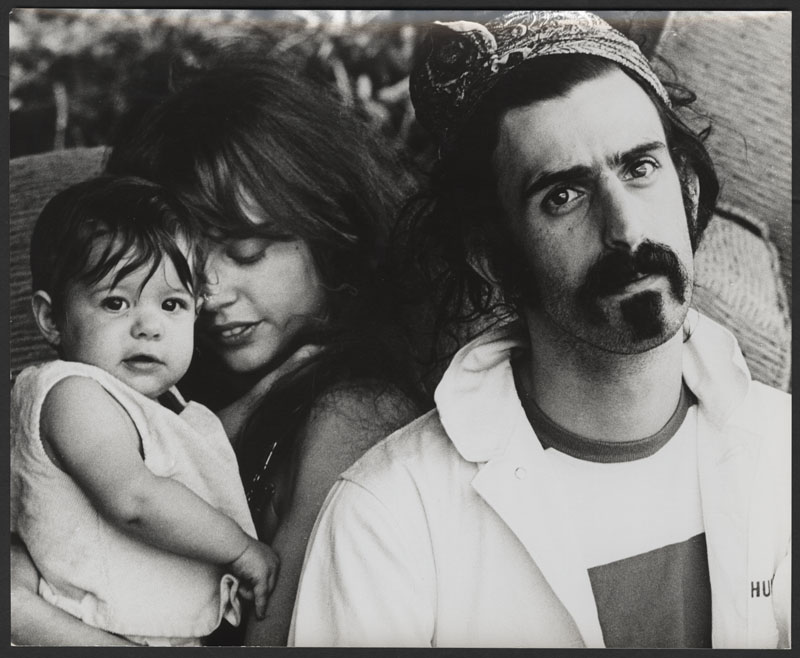
I was wondering whether Mark E. Smith ever met Frank Zappa.

Mark obviously liked Frank’s music and The Fall regularly played Hungry Freaks Daddy, the geeks tell me they played it live 33 times in fact. Mark also wrote “I’m Frank” which was supposed to be guitarist Craig Scanlon’s tribute to Zappa. They have quite a lot in common. Both were ridiculously prodigious. The Fall released 32 studio albums over a 38-year period with 42 Live albums and 51 compilations. The reason behind the vast compilation catalog is that Mark tended to burn through record companies almost as fast he went through band members. Frank Zappa tended to mix live and studio work so it’s hard to subdivide his vast catalog which includes both releases under his own name, releases as The Mothers of Invention or a mix of the two but there are 62 albums and 82 compilations. The Zappa estate, which is a story in itself, continues to release material so Frank’s musical catalog starts in 1967 and continues to this day so 54 years, 55 albums have been released officially since his death. Both men were chain-smoking auto-didacts, self-educated in the fringes of culture. Zappa was a fan of Varese and music concrete, a fan of Camus and existentialism but also finding it pretentious as fuck. Smith had a fascination of the macabre writings of H.P. Lovecraft, Wyndham Lewis and M.R.James. The band’s name is from the Camus book, ‘La Chute’ although that was said to be fellow band founder Tony Friel’s fascination and Tony lasted just over a year.

Both Frank and Mark loved a good cover song, which tends to suggest they had that purist’s view of music, they reserved the right to like or detest anything, popular or otherwise.

The Mothers covered quite a lot of doo-wop, ‘cheesy music’ as Frank thought of it but a reminder for him of growing up in the 1950’s. Mark had a soft spot for 50’s rockabilly, the Fall were referred to mistakenly for a while as “punkabilly”. The Mothers released an album of self-penned doo-wop “Cruising with Ruben and the Jets” as well as covering the Four Deuces “WPLJ” and Jackie and the Starlites “Valarie”. They regularly played live Richard Berrie’s ‘Louie Louie’ and the song Plastic People on We Are Only In It For the Money is based openly on the same riff. The Fall covered the Big Bopper’s ‘White Lightning’ and Tommy Blake’s “F’olding Money”. They both were fans of garage music from the 60’s, the difference being Frank actually was in the garage in Lancaster, CA making that noise with the Captain, Don Van Vliet while Mark was discovering the Other Half and The Sonics from the Nuggets compilations in the 80’s but “Strychnine” and “Mr Pharmacist” were live staples of The Fall. They both liked to take a popular song from one genre and make it their own. The Fall had pop chart success with covers of the Kinks’ “Victoria” and R.Dean Taylor’s “Ghost in My House”. I had the original 1974 single which was memorable as at the time he was the only white artist on Tamla Motown. One of my favorite Fall covers is Sister Sledge’s “Lost in Music”.  Zappa took on the staples of Classic Rock radio the Allman Brothers Band’s “Whipping Post” and played “Stairway to Heaven” relatively straight as a live number, although I think that was his bizarre way of showing he could outplay Page and the ‘rock god’ guitarists.

They were both interesting if tough interviews for journalists, both always good for some snide line about the music industry. Frank’s famous quote about journalists defined his sense of disdain for them: “Writing about rock music is like dancing about architecture”. Mark was not unpleasant per se, he was just oblique, and interviews famously involved trying to drink with him, or you paying for Mark to get shit-faced. Woe betide the young journo from NME who fetched up in Prestwich to chat to Mark over a quiet drink in the Forester’s, only to be poured into a taxi to get to the train back to London several pints and several hours later. Frank was famously abstemious, made it a point of honour to not take the drugs always on offer. Mark was an alcoholic and suffered in his later years with broken bones due to one too many drunken falls. Both died of cancer as poster children for the concept of not eating well or treating your body with any sense of propriety. Naturally skinny and workaholics neither had any body issues to shame them into taking better care of themselves until they became ill.

They both found love through music, or in Zappa’s case frequent sex. Mark had a relationship with Una Baines in the original line-up, followed by Brix Smith who he married and brought some commerciality to the band, after their divorce he married Saffron Prior, who was running the Fall fan club. He then dated the keyboardist Julia Nagle, but after a fraught drunken assault on the other band members that came to an end. His next partner was Eleni Poulu, who played keyboards and they were married from 2002 until 2016. In his final years his partner was his manager Pamela Vander. Frank was married straight out of high school but that was over by the time he was making music. He married Gail Porter, who worked at the Whisky-a-Go-Go in LA and was a self-confessed groupie. They were married in the 8th month of her pregnancy carrying Moon-Unit, the first of 4 kids. Frank indulged his penchant for groupies for the rest of his life, he celebrated groupies in his songs including the “Jazz Discharge Party Hats”, most of the Live at the Fillmore album, “Magdalena” and of course, the glorious “Road Ladies”.

Both Zappa and Smith were egotistical and self-centered in the way you have to be to get up and take center stage night after night for a living. They both burned through band members, both metaphorically and in many cases physically, very few former Fall or Mothers/Zappa sidemen went on to have a successful career outside of the original band. Lowell George and Steve Vai being major exceptions but no-one from the Fall seemed to be that enamored with rock music to pursue it as a lifestyle option. They both had interesting artwork on their music releases – either unique graphics and art or portraits of the band and/or them featured prominently, yet always not just a flattering good light shot, an odd view. Frank played live from 1960 until 1988 regularly, prior to his final live gigs in the new Czech Republic in June, 1991. Mark played his first gigs in 1976 and his last on Saturday, 4 November 2017, at Queen Margaret Union, Glasgow, 42 years on the road, the last gigs from a wheelchair and clearly still wanting to be there.

They both brought not just the music, they brought an ethos, an approach to music and life, completely uncompromising. Frank changed his band when he got bored of their limitations, Mark changed the band when they exceeded their limitations, before they got too good. Mark famously said “no fucking improvisation” whereas Frank had his bands drilled to respond to elaborate hand signals to foster improvisation and unlikely key changes. In their own way they had an inner drive to create that was both uniquely personal and unrelenting. If they did ever meet I am not sure whether they would hate each other for being so self-assured that they and only they were doing the right thing, doing it the right way, or they would have got on famously, due to a mutual respect of a true artist. They would have shared a cigarette, Mark would have asked if there was anything to drink and if the answer was no, probably headed off elsewhere, down the road.

For those with Spotify here are the Fall covers, and here are the Zappa covers.

Days of Future Passed

Inner sleeve artwork from Sound Of Water

I realized recently that my musical taste took an odd sabbatical in the 90’s and much of the music from that era that I enjoy today I discovered only in the last 10 years. It prompted some reflection as to what was happening to me while I was studiously ignoring all this great music. Suburbia is what happened. Being a parent of very young children in the USA forces one into suburbia, that plus the British desperation to live somewhere else than a rainy and grey island off the north coast of France. So we had to have a house with a pool, which was above my pay grade in San Francisco or New York and so we lived in Moraga for the first half of the 90’s and Weston in rural Connecticut for the latter half. Moraga is only 45 minutes from San Francisco but pre-Uber it might as well have been 4 to 5 hours. In the first half of the 90’s I saw three live concerts, in the second half one. That’s as a big a statement about how my musical commitment had waned as any. I saw Costello at Concord Pavilion, one of three occasions I saw him live over the years and probably the most enjoyable as Nick Lowe came on for the encore, they played Lowe’s “What’s so funny about peace, love and understanding?” so I went home happy. I saw REM there too. The strangest choice of the only gig that we actually ventured into San Francisco to see was with our 19-year-old English au-pair to see The Orb at the Regency Ballroom which was, and still is, in one of the shittiest parts of downtown. We were the only people in the audience not enjoying better living through chemistry, and two middle aged dudes on a relatively empty stage, behind a table covered in laptops and the odd keyboard, is hardly compelling entertainment.

The one time we went into New York from Weston to see a live act in the 4+ years we were there was to see St Etienne, at the Bowery Ballroom, who were touring Good Humour. We went with Eric, a friend and neighbor, and his wife, as Eric was looking to do production for them. We actually got on the guest list and went backstage after, which was cool, even though I am sure everyone else could smell the suburbia coming off us. Giana, Eric’s wife, got completely shit-faced at a bar afterwards and spent most of the drive back up to CT throwing up. Eric played on and produced Heart Failed (In The Back Of A Taxi), the standout track on their next album but they never used him again. What was completely weird was reading an interview with Bob Stanley after the album Finisterre was released in 2002 where he said that the vibe that he was looking for was the feeling of Heart Failed, which Eric produced, so I always wondered why they didn’t just work with Eric. 

The most obvious influence on my musical explorations during the 90’s was having babies and then young kids in the house.

I studiously avoided the hard edges of guitars and loud drums for more pop and quieter music in general. This led to some embarrassing diversions into chill singer songwriter territory and dare I say the words, verging on “Alt-country”. I favored pop and dance to some degree especially as they got older. So I played more ‘Exit to Guyville’ than ‘In The Aeroplane Over The Sea’, more ‘Dummy’ than ‘Slanted and Enchanted’. Julia Fordham sadly figured more than PJ Harvey and for that I have no excuse. 

I was also isolated from good influences not the least being the depressing rigidity of US ‘format’ radio. This is where the US radio market, being commercialized, dominated by national chains and franchise driven is rigidly broken into quite tight genre segments where each station has a target segment and only plays approved songs for that segment. The obvious benefit lies with the large record companies and the radio station owners and not the listening audience. You only really appreciate the chaotic genius of the late, departed much loved John Peel and the likes of other Radio 1 DJs and now Radio 6 in the UK, where you can enjoy eclectic mixes of the new and varied as opposed to the old and cliched. I had started to be dependent on the British rock magazine ‘Q’ which had its own heroes and biases. I had a subscription and so a month or so after the UK publication the new magazine would rock up in my mailbox; but as Zappa had aptly critiqued music journalism “writing about music is like dancing about architecture”. On my few forays into record stores I was buying CDs that I had read were good from ‘Q’, blind buys really and like all rock music publications they were driven by what they thought was the hot new thing. Hot and new trumps good far too often. The other thing that happens when you are isolated from good diverse influences is that you get stuck on former favorites, buying music from the fag-end of an artist’s career, live sets and b-sides collections as opposed to the new outburst of the young and angry, desperate to thrust their way to stardom. So, my music collecting in the mid 90’s became a mix of Zappa re-issues, Neil Young’s 3rd effort at Harvest, Costello’s descent into self-parody, REM’s increasingly focused study of their navels mixed with dancy, techno-pop that the kids would enjoy on large car journeys.

We missed most of the excesses of Brit-Pop so that is something to be thankful for, I had the Oasis first album (What’s the Story) Morning Glory but never really liked their Beatles-lite power pop. I did enjoy Blur’s Park Life and its Who-lite power pop. My daughter was an aficionado of the Spice Girls, so we had that bouncing around in the background and who could not like Bjork? I did get into Pulp and enjoyed all of their excesses; Common People is an incredibly well-judged dig at the ruling classes that still resonates. I was happy to hear that Jarvis Cocker has lost none of his splenetic wit, his latest outing as ‘Jarv Is’ is excellent. I started to get more into electronic and dance music as the 90’s rolled on which was at times the most innovative and interesting things I could get hold of. It was certainly more innovative than grunge which I studiously ignored. That’s probably why I ended up at The Orb gig, I loved that trippy spacey “Adventures Beyond the Ultraworld” and played to death “ Little Fluffy Clouds” with the Rickie Lee Jones sound bite. I managed to completely miss the marvelous Richard James, much to Rachel’s mystification although I do have a batshit Aphex Twin remix he did of Underworld’s Born Slippy, with Pink Floyd and Woodstock soundtrack dubs. I was introduced much later, by Dan when he went off to college, to the world of 90’s old-school hip-hop but again I was not really exposed to it during the 90’s. I tried blind buys of LL Cool J and Common, both highly rated but they left me cold, who knows what would have happened if I had heard Biggie Smalls, Tribe or Digable Planets then, maybe another avenue would have opened.

The joy of discovery of new music that the interwebs have brought us has allowed me to get better acquainted with what I missed in that decade in suburbia. The recent renaissance of vinyl has provided timely 20th Anniversary excuses for much of the good stuff from that decade to be re-issued on vinyl as well as numerous CD box sets. The following is my selection of 20 great songs that the decade offered us, looking back from the distance of these 20 odd years. “Great”, as defined primarily as what has aged the best and worth exploring again, but also biased towards the bouncy and braggart. Some of these folks are still churning out good material, some disappeared back into obscurity. Half of it I remember fondly from that time, half I missed completely and have had the joy of discovering them since. Enjoy it here.

St Etienne – Only Love Can Break Your Heart

Pulp – The Trees

Beta Band – Dry The Rain

James – Sometimes

Neutral Milk Hotel – Holland, 1945

Mathew Sweet – Girlfriend

Modest Mouse – Heart Cooks Brain

PJ Harvey – Down By The Water

The Fall – Jung Nev’s Antidotes

Sonic Youth – Kool Thing

Ash – Girl From Mars

Supergrass – Sun Hits The Sky

Sleeper – Inbetweener

Bjork – Army of Me

Radiohead – Climbing Up The Walls

Massive Attack – Teardrop 

Banco da Gaia – I Love Baby Cheesy

Chemical Brothers – Where do I Begin?

Underworld – King of Snake ( Fat Boy Slim remix)

SeeFeel – Plainsong

Dancing Fool

To dance or not to dance? This was an active decision many young men were forced to take at some point between the age of 14 and 18. For most boys of my generation dancing just got in the way of their newly acquired drinking habit. The nightlife of most of England was centered around pubs and enduring the struggles to get taken seriously and allowed to buy beer while the girls never seemed to have any problems. It was partially a question of how you dressed, partially your own development physically – were you tall, did you have facial hair other than ‘bum fluff’? Were you wearing your uncle’s tweed 1950’s great coat over your Levi denim jacket? Smoking helped you look older as long as you didn’t cough or choose Consulate or other menthol brands. Pubs basically split into those who looked the other way and those who took the legal drinking age seriously and in Frome that split was over 60% biased to the former so it was not that difficult.

We had one ‘club’ in town, the Hexagon Suite which was built into the back of the Grand cinema and it was open until 1.00 am on Friday and Saturday so of course you went at least one night a weekend if you were working. Girls danced around their handbags and the boys would stand around the edge of the dance floor letching and talking. The bravehearted would swoop in for a quick dance when the music slowed down, with various pleasantries shouted into each other’s ears. We would occasionally get touring minor acts, usually on their way down and never anything but pop and the odd Radio 1 Roadshow. The only act I remember that actually progressed their careers upwards after playing the Hexagon was The Real Thing who are still touring their one big hit, “You To Me Are Everything” to this day.

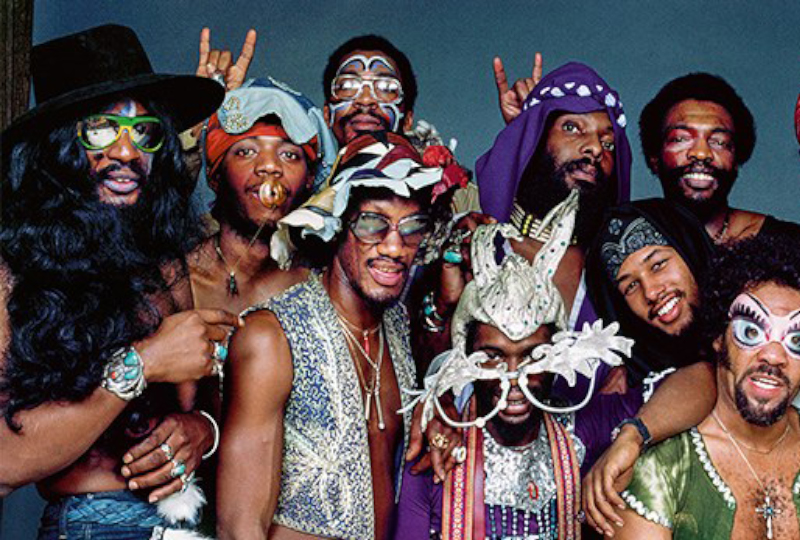
It was always going to be difficult dancing in front of people you went to school with or played rugby with so my desire to impress girls with my moves was latent until the anonymity and newness of university life changed all that. There were kindred spirits who not only loved dance music but actually dancing, not just girls but other equally bumbling young men. 1975-1978 was the era when disco, universally ridiculed, became funk, if not loved at least tolerated. The golden years of funk brought not only the dance grooves that later drove much of early hip-hop. It brought with it an exuberance and style that was uniquely African American. Regardless of the terrible demand to Play That Funky Music White Boy the music was solely the domain of musicians from Detroit, New York and once Motown moved its headquarters there, to LA. Funk had a fashion that was equally as flamboyant as the music, the economy was booming, and the flares became bigger, the shoes became platformed and the lapels dived groundward. For some reason the waistband went higher and had 3 belts, the local bouncers in Bradford were un-impressed though. I managed to annoy their sense of what men should or should not wear and my funk inspired choices were an affront. I was refused entry for wearing a red pair of what were an exaggerated version of Chuck Taylors, as the bouncer informed me “You’re here to dance, son, not fuckin run”.

The fact I was a gobby southerner with an earring was probably as offensive as my sartorial choices, although I do remember wearing my mother’s 1950’s box shouldered fur coat one winter over bellbottom jeans and multi hewed jumper, to visible derision by the locals. However, Bradford had a tradition of dance through Northern Soul so if we could get into the clubs they were cool with us dancing. The local girls were luckily more forgiving of my fashion disasters.

This was an era of big dance hits that have since become the fodder of bad movies and wedding playlists: Stevie Wonder’s ‘Superstition’, Wild Cherry’s ‘Play That Funky Music’, Isley Brother’s ‘Summer Breeze’, Donna Summer’s ‘Love to Love You’, The Commodores ‘Brick House’. We also used to do those bizarre dances that involved sitting on the floor in lines, Gap Band’s ‘Oops Upside Your Head’ demanded that for some reason. Being a music nut of course meant that my choices were more esoteric and the cool guy feeling soared when you asked a DJ for something like Lenny Williams’ ‘Choosing You’ and they gave you a big thumbs up and with a beaming smile produced a 12” from their bag. I had been introduced to Lenny Williams when he was lead singer with Tower of Power, whose ne plus ultra horn section was backing Little Feat, Santana, Journey, Aerosmith and Rufus among many others, basically if there was a brass section on a song between 1972 and 1990 it was probably the Tower of Power horns. 

There was obviously a lot of white kids listening to this music as became evident over the next 15 years when white synth bands took the classic bass heavy funk rhythms and created a new genre of electronic dance music. Tom Tom Club openly acknowledged the debt owed to James Brown and Bohannan on “Genius of Love”. There is a direct line through James Brown to disco and funk and the electronic dance anthems of New Order, Depeche Mode, Chemical Brothers and onto the sample heavy SoulWax, DJ Shadow and Steinski. Old School Hip Hop was based around disco and funk riffs sampled and chopped up. As much as I loved various different rock genres I was and remain to this day committed to dance music is what you dance to, work out to, or just go a little funky when the mood strikes.

The play list on Spotify is here. You do not need to sit down on the floor in lines to enjoy this celebration of the funky, you do not need to change into bell bottoms, but you do need to shake your tailfeather. It is in chronological order and transitions from the originals to the synth driven versions around 1980. The actual playlist starts with George Clinton’s insanely good One Nation and appropriately ends with Deelite’s Groove in the Heart with a cameo by Bootsy Collins, James Brown’s former flamboyant bassist and court jester of funk.

  1. Fat Back Band – Wicky Wacky – 1974
  2. Rufus – Once You Get Started – 1974
  3. Bohannon – South African Man – 1974
  4. David Ruffin – Walk Away From Love 1975
  5. Graham Central Station – It’s Alright – 1975
  6. Undisputed Truth – You + Me = Love -1976
  7. Lenny Williams – Choosing You – 1977
  8. Sylvester – You Make Me Feel (Mighty Real) – 1978
  9. Crown Heights Affairs – Galaxy of Love – 1978
  10. Funkadelic – One Nation Under a Groove – 1978
  11. Bootsy’s Rubber Band – Bootzilla – 1978
  12. Chaka Khan- I’m Every Woman – 1978
  13. Blondie – Atomic – 1980
  14. PigBag – Papa’s Got A Brand New PigBag – 1981
  15. Tom Tom Club – Genius of Love– 1981
  16. Teardrop Explodes- Reward -1981
  17. Grace Jones – Demolition Man – 1981
  18. Prince – 1999 – 1982
  19. Blancmange – Blind Vision – 1983
  20. Was Not Was – Tell Me That I’m Dreaming – 1984
  21. Talking Heads – Slippery People – 1984
  22. Talk Talk – Its My Life (Extended Mix) – 1986
  23. PIL- Happy – 1989
  24. New Order – Temptation – 1992
  25. Dee Lite – Groove is in the Heart – 1991
The Mothership crew quietly taking a moment