Busy days. A late celebrated anniversary due to me being back in the Bay Area on the actual day (that was worth its own blog, but it would be like falling on a bruise, I’ve done that before, which if you didn’t read it can be found here), Shrove Tuesday and Mardi Gras, the fête de St Valentin.
France is on one hand religious, as late as 2011 over 50% of the population believed in God if asked, although it’s now down to 44% but 35 million Frenchmen and Frenchwomen self identify as Christian. On the other, it is constitutionally not religious, your Church wedding means nothing. There is no ‘And so help me God’ in courts, no invoking of His blessing when they sing the national anthem. No opening the Senate with a pithy prayer, and no place legally for any religious symbols at school. As much as people would point to the enforcement of the latter having become more a casus belli of the right and their fear of what they see as the visible signs of the march of radical Islam across the fatherland. Crucifixes around necks and yarmulke had been quietly ignored for decades, but the hijab and more recently the full body cover abaya have drawn the ire and attention. Macron is courting the center right or more pointedly not allowing the far right under Le Pen to profit from the cry for some casual cultural bullying. So religious, except when it’s mainly not.
Every day in the bakers they write on a chalk board the Saint for the day. When they finish the weather forecast on France 2, they give the sunrise and sunset, phase of the moon and the Saint’s Day. Tomorrow is St Julienne for example. I am unaware if St Julienne has any particular pastry or treat but we are still technically in the season of the Bugne. This is a Lyonnaise doughnut, very light version of a doughnut and light years from a Crispy Creme or the English jam doughnut. Traditionally a Mardi Gras treat as it has ‘gras’, grease or fat; it is a small shape of dough fried in fat ahead of lent’s lean days. Dusted with sugar, it’s a sticky-fingered treat for the ‘gouter’. It is the English who are feted for their afternoon tea but ironically other than the legions of the retirees who, having strided the green and sadly now fetid land, retire to a local tea shop for tea and scones, most Brits do not have afternoon tea. Yet in France, every child returns from school between 4 and 5 to have the treat of the gouter, the local version of afternoon tea. A drink with a sweet something, bugne, chocolate bars, pain au chocolat or bread with lashings of Nutella. The adults partake with tea, sadly usually without the addition of milk and many, many bizarre herbal offerings masquerading as bringing some healthy side benefit. I am not a massive fan of bugne Lyonnaise, but neither am I a fan of doughnuts regardless of which side of the Atlantic they originate from. I do, however, really like the ‘ears’ style doughnut, called Elephant Ears or if you are from the South West ‘Bear’s Ears’. Les Oreilles d’Ours are flat layers of flaky pastry, fried of course, but flavored with orange water, fleur d’oranger. They are dangerously good, bought by the 100g and needing to be eaten within minutes to be fully appreciated.
The French are zealously religious about bread. Their church is the Boulangerie. We are blessed in our Burgundy town of 3,400 souls with 6 bakers, with rotating days of closure fresh bread is available 7 days a week, 6 days a week with two bread bakings, morning and afternoon. The supermarkets also sell bread, but you really must have given up on life to buy your bread there. The bakery scene is further slightly subdivided into Boulangeries, places that sell only breads, Boulangerie- Pattisseries, places that sell Bread and cakes and Patisseries that sell only cakes. There is a further odd distinction with Banettes, which are bakers who sell pre-prepared sandwiches, small individual deserts and cold drinks which serves the lunch crowd and school kids; most have some seating as its uncool in France to eat on the run. There are 35,000 boulangeries, according to the Confédération Nationale de la Boulangerie Pâtisserie Française, about the same number of communes in France. The distribution is not that straightforward as the major towns have more and the villages have lost their bakers over the years. Paris has 1360 bakeries, Lyon 286. In 1960 there were 50,000 in France but from then until around 2010 they declined steadily with many disappearing from rural villages, as the population moved into the towns and old retiring bakers were not replaced. They flat lined for a few years but since 2017 there has been a resurgence, from 2017 to 2023 the number of boulangerie-pattiseries grew by 9% as a new generation of scratch bakers has joined the profession.
A boulangerie has to sell the basic baguette ‘traditionelle’, which is price controlled and currently €1.30 and 250 grammes. Generally avoid this and get the next one up, in Burgundy we get the Charolais which is €0.40 more expensive but sour dough rather than a commerical yeast. In France overall they bake and sell 6 billion baguettes per year, equivalent to half a baguette per person per day so yet the french like their daily bread. 82% admit to eating bread every day and an old expression to describe something as taking a painfully long time is “longue comme un jour sans pain”, as long as a day without bread. In Lyon, we have an embarrassment of riches bread wise and part of the fun exploring around where you live is working out who has the best bread, the best croissant and sorting out when your first choice is open – Reymond in our case, open only Monday to Friday and closed (congé) for August and for ‘ski week’ next week. Local knowledge like knowing who is closed when, who is open on Sunday is a result of some worthwhile exploration. At some point I will have a deep dive on Reymond as they have amazing breads and other treats. The initial frustration of moving to France from the US and not having every shop open whenever you want it soon fades as you realize that the people who work in shops and restaurants have families too, they need time off to play with their kids, they need to get a proper meal at lunchtime and if you need some more mulch for the garden remember to get it Saturday as everywhere is closed on Sundays. I like that the service is professional without ass-kissingly desperate for the tip, I like that the wait staff get benefits and vacation, I like that I am never hustled for a tip when getting a coffee or buying a sandwich. Is it frustrating that Reymond is closed for two weeks in February? Yes, but really, what the fuck? Other breads are available. The guy has kids, and he is up at 4.00am every day of the week creating some of the best bread in the world, so if the kids are off school for Ski-Week I am happy he is with them and then comes back to bake, happy and content to put his love into his dough and not put the love for the other dough above all else, like in some places we could mention.
Croissants and their fellow breakfast treats like Pain au Chocolat (which for some reason my kids and I always have to pronounce in a New Jersey accent as “Panna Shock-a-latt” ) are grouped as Viennese pastries, ‘Viennoisseries’. The supposed story is that they were originally created in Vienna in the crescent shape as symbol of the victory of the Holy Roman Empire over the crescent-bannered army of the previously unstoppable Ottoman Empire on September 12th 1683. You will see Viennoisseries as the offering engraved on many Boulangerie windows and store fronts. Sometimes the baker will specify which butter they use, Reymond for example uses only butter from Charentes, French butter generally has a higher fat content than US butter which helps give that nutty mouth feel.
The French do not seem to get the same press as the Belgians or Swiss for their chocolates, but my experience has been that there is an insane level of quality of chocolates to be found everywhere. There are specialists that have retail outlets in all major towns, Charolles is the home of Maison Dufoux who has 6 retail outlets including one in the bustle of Presqu’isle in Lyon. The real surprise is the artisanal chocolates available in the Boulanger-patissiers who quite often make their own chocolates alongside the cakes and tarts. The French rarely visit each other empty-handed, so florists do well all year, and you understand why the baker, who has done his work by 7.00 am, spends his days baking cakes and making chocolates, which are boxed in small gift-sized presentations. Unlike in commercial chocolates you get to choose what goes in your selection, but that means there is no cheat sheet telling you what each one is, this is not your Cadbury’s or Sees Candies. It was the fête du St Valentin on Wednesday, so artisanal chocolates were getting a lot of love.
The dozen roses gift seems to be an imperial hangover. In France, roses are sold metrically, in 10s or 5s. Like most of the western world the French have adopted the Hallmark-enhanced saint’s day with love commercially celebrated correctly with chocolates, champagne and a choice of roses, pink, yellow, white or red. Restaurants do well, wine shops do well, and flower shops have to hire extra staff and do very well. The 14th was also Ash Wednesday, so there was an odd mix of people hustling around Garibaldi at lunchtime, some with bunches of flowers, some with a charcoal smudged cross on the foreheads, some with surprise lover’s picnics and some with all three, love and devotion was in the air.
There are several words that, if not unique to the city, they are redolent of and in their repetition evoque Lyon. Canut, canaille, coquins, bouchons and gones. Gones technically is local slang for young kids but is appropriated to represent those who think of themselves as truly Lyonnais, the children of the city. We have become the adopted children of this great city, we explore with a childlike curiosity. Since we found our little part of the 3rd near Place Bir Hakeim 18 months ago we have spent more and more time here, discovering our way around, venturing further and further and developing the useful mental maps of where we find the things we need.
As someone said to me this week, Lyon fundamentally is a city of nosh, ‘une ville de bouffe’. That manifests itself in various ways. There are more restaurants with Michelin stars here than in Paris, this is where people come from around the globe to learn to cook. From the pilgrim like Bill Buford, the serious foodies, to the many Japanese who come to worship at the altar of Bocuse. France is famously great for French food, and generally sucks at all other cuisines. Lyon is the exception. Many of the global visitors, having learned their part in the brigade at one of the many cooking schools, stay for a while and present their version of their culinary tradition for a French audience. So Lyon has a ton of good Japanese restaurants, Korean, Thai, West African and even Mexican (not Tex-Mex). They are forced to tailor their offering to the local tastes, especially at lunchtime, the hot spice is turned down to 2, a basket of sliced bagette is provided and there are 3 courses, the main course has a starch and a protein.
The 3-course meal comes in around €20 as that is the average allowance that all workers get on their ‘carte resto’, the French equivalent of the old luncheon vouchers. It’s a great example of state intervention that works in France. The worker in a large company has a canteen where free or heavily subsidized food – again 3 courses and wine is available. When I visit a large client CMA-CGM in their gorgeous tower on the waterfront in Marseilles we go for lunch in their ‘canteen’; as much as it’s served buffet style the food is serious. For everyone else who does not have access to a company restaurant they receive a restaurant card, it looks like a standard credit card and functions like one for food and drink. Couple of rules: can only be used on a work day, no Sundays, no holidays; can be used anywhere you might buy lunch from supermarkets, snack bars, fast food or restaurants. Food or booze but up to a daily limit, Mme Britton’s card is €25 a day. Just think about that with an American legal mind set: a company provided card is used to buy alcohol?! The deal with the card is the employee pays a contribution, the restaurant gives a discount and the company pays the spread. The company gets a tax deduction, the employee gets a tax-free perk, the restaurant/retail business gets business for a discount; win:win:win.
It is winter in Lyon, or what passes in our post-truth days as winter, it’s mid-February and since the Fête de Chandeleur, February 2nd the temperature has been more spring like with warm showers and temperatures in 50’s and 60’s, 8-14 C. We missed the pancakes on Chandeluer and will do likewise tomorrow on Shrove Tuesday. Not that I have anything against them, we had an old recipe that was Rachel’s grandmother’s for Finnish Pancakes, which produced crêpes as close to what I remember as my Mum’s Pancake Day pancakes, but we cannot find it. I remember my Mum gamely running a Pancake Race with other mothers at my elementary school in Bradford on Avon, I am pretty sure that is a tradition that has been consigned to the Ladybird Book version of English History and not something you would catch a French housewife doing on Chandeleur.
In the real spirit of winter, especially as we are but an hour from the Alps, we went for Raclette on Saturday. The restaurant l’Altitude on Rue de Crequi is the best rated of the mountain style places in Lyon and is a very pine-plank walled ski-lodge of a spot. Raclette is a cheese and the deal with the eponymous dish is that the cheese is melted to the point of bubbling yummyness and then scraped over steamed potatoes to eat with various hams and dried meats with some nods at healthiness via sides of a green salad or haricot beans. It is meant to fill a starving stomach following hours of skiing in cold weather, so it is heavy and filling. Lazing around watching Fulham thump Bournemouth followed by England remarkably beating Wales in the 6 Nations is not the most exacting form of exercise as preparation for such a repast, but we did it justice. The Savoyard food or Mountain cuisine developed around what you can keep in semi-isolated mountain valleys during winter and pre-refrigeration. Cheese, air dried hams and sausages, potatoes and pickles are served in various forms; tartiflette, which is basically a complete baked cheese filled with potatoes and added cream to make it more runny; fondue, which is either melted cheese into which you dip stuff or Raclette, which is made from various hard mountain cheeses made from the milk of cows who have been grazing on the rich summer pastures like Comte, Beaufort or Raclette itself.
Most places have electric hot place devices to do the melting, but Altitude has charcoal fired table-top braziers that are awesome at heating the cheese together with the diners and just about look safe, in a way that you know would never be allowed in the US without a shit storm of lawsuits. By the time we had near consumed the 300g of cheese allocated per person, we were cheery-cheeked and down to t-shirts. They unsurprisingly do a good line in ice cream and sundaes to help you cool down. The ice cream was seriously good, house made and artisanal, including a Charteuse flavored one, which is a bit their thing as they have a bunch of cocktails using the green and yellow monk’s bane. To finish, I felt obligated to have a Chartreuse but chickened out and went with the 2cl rather than the 4cl option. They presented a special glass about the size of a thimble, into which a monstrous Jeroboam sized bottle of the green lightning poured by measure. I had forgotten how much of a punch it packs, and we agreed we should have a bottle at home, it’s a very Lyon thing.
“Good God! Did we really send men to fight in that?”
4th of August 1914, a bank holiday and someone decided to throw a war.
Field Marshal Douglas Haig, 1st Earl Haig, KT, GCB, OM, GCVO, KCIE was ready. Haig helped organize the British Expeditionary Force (BEF), commanded by Field Marshal Sir John French. That was the John French who the rich son of the Haig Whisky family had lent 2000 guineas to when as fellow officers they served together in the Boer War, because he was about to be bankrupted by poor mining speculations. In case you think Haig was a great friend of his commanding officer he wasn’t. Haig married late and well. His wife, daughter of Baron Vivian Haig was a Lady in Waiting to the Queen so while everyone was getting feisty that summer Haig had been appointed aide-de-camp to King George V. During a royal inspection of Aldershot Haig told the King that he had “grave doubts” about the evenness of French’s temper and military knowledge. He also took potshots at Kitchener and the other leading Generals. Haig was not a fan of artillery but was a big fan of cavalry, so the Expeditionary Force had lots of cavalry horses but not as much in the way of machine guns or cannons.
Everyone wanted to do their duty, to do their bit. My Grandfather`s generation all wanted to do their part. Arthur went to Hackney Baths and signed up on September 16th. He had followed the example of his brother George who signed up on July 16th, George joined the London regiment in the Kensington Rifles, the 13th Battalion of the 1st Regiment. They filled up the first regiment battalions by the time Arthur joined so he was in the 2nd, or reserve regiment. Two other Great Uncles, Charles and John Hames, went from Bullwell, in Derbyshire where they lived and worked, to Derby and signed on for the 1st Battalion of the Sherwood Foresters, and were given consecutive regimental numbers. Another Great Uncle, Fredrick Britton decided that the life of a miner might be less exciting than a soldier and he signed up in Nottingham and he joined the 7th Battalion of the Sherwoods, his cousin Mark also decided that mining wasn’t as cool as soldiering, mining was a ‘protected’ employment, England needed coal, so both could have stayed at home. My grandmother Alice’s brother William lived in Hucknall, he was also a miner, he signed up and joined the 10th Battalion. My paternal Grandfather, Jim, with two kids already stayed behind and dug coal.
So how goes the war at this point? This was all supposed to over by Christmas and the Germans nearly made that happen. French and the BEF, with Haig in charge of half of it, arrived in France on the 14th of August and marched up to Belgium taking positions to the left of the French 5th Army. Haig continues to bitch about John French’s decisions. The Germans sweep through Belgium and catch the Brits unprepared; they first fight each other at Mons on the 23rd. Up to this point the Germans and the British – ruled by King and Kaiser both Grandsons of Victoria – have been allies, the Prussians saved Wellington at Waterloo. The Germans were known to most Brits as waiters, for some bizarre reason most London restaurants in the Edwardian era had German trained waiters. The immediate impact of the war was all the waiters leaving to go home to Germany and sign up to fight the French.
The BEF under Sir John keep getting caught between trying to hold a line and then being forced to retreat when the French army on its flank suddenly pulls back. At one point Haig and his staff think they will be attacked, he led his staff into the street, revolvers drawn, promising to “sell our lives dearly” and the fighting caused him to send an exaggerated report to Sir John, which caused French to panic. At this point they start a fighting reteat to the Marne to meet up with Joffre and the French Army and Sir John is planning to skedaddle to the coast to save the BEF. Kitchener arrives and basically tells him to man up and go attack the Germans.
The Germans and the BEF keep trying to outflank each other in a race for the sea. Kaiser ‘Bill’ referred to the small British Army and their interference in their great plan to sweep around and capture Paris as “Sir John French’s contemptible little army”. The ‘Old Contemptibles’ were a professional army, even though Haig didn’t think to provide the BEF with many machine guns the rate of fire was such that the Germans held off attacking the beleaguered and outnumbered British troops at the Yser, as they thought they did indeed have machine guns and the Germans absolutely understood their power. The Belgian King Albert, unusually for the combatants not related to Victoria but married to a member of the German royal Family, took the decision to open the dyke gates and flood the drained land sealing off the coast route so the first battle of Ypres took place.
Haig made his reputation here as the BEF was outnumbered heavily, not just with troops but with artillery (I wonder why?) They managed to hold on to Ypres. When the Germans could have pushed through as the BEF was on its last legs the German advance stopped and by 8th November, Falkenhayn had accepted that the coastal advance had failed and that taking Ypres was impossible and they decided to dig in. Haig’s big lesson from this was to not give up, even with huge losses.
From 21 to 23 October, German reservists had made mass attacks at Langemarck, with losses of up to seventy per cent. Industrial warfare between mass armies had been indecisive; troops could only move forward over heaps of dead. Both sides were exhausted by these efforts; German casualties around Ypres had reached about 80,000 men and BEF losses, August – 30 November, were 89,964. The Belgian army had been reduced by half and the French had lost 385,000 men by September. Both the allies and the Germans were exhausted, short of ammunition and suffering from collapses in morale, with some infantry units refusing orders.
Kitchener realized it would not be over by Xmas and so had pushed for mass recruitment of volunteers to be trained in a new army to replace all the lost professionals of the BEF. Haig’s 1st Corps had been reduced from 18,000 men to just under 3,000 by 12 November. 4 Days later Haig gets promoted to full General.
Charles and John Hames had arrived in France with the Sherwood Foresters a week earlier. Arthur’s brother George in the Kensington Rifles arrived in France a week after the Sherwoods and went straight into the line for the Battle of the Aisne and found themselves fighting for their lives almost as soon as their feet touch French soil. They gradually retreated from prepared positions to the south of Mons losing a third of their men. They then moved to Estaire on the Lys. It was next the turn of the Sherwoods on the 18th of December went into Battle at Neuve Chapelle.
Early 1915 and Haig is promoted to be in command of the First Army so all my relatives had the dubious pleasure of serving under him and many of them directly under General Hubert Gough. When everyone signed up to go to war, some actually went pretty quickly if their regiment was a standing unit with experienced troops in it. Some were in Reserve units, sent to be trained and then went to war. My Great Uncle Mark joined the 4th Battalion of the Lincolnshire Regiment, technically a reserve unit. They lined up next to George Harris’s 13th Londons for the Battle of Aubers Ridge. They were drawn up at night ahead of the attack. At 5.00 am the bombardment opens, 5.30am the Kensingtons move out into the narrow no-man’s land which is down to 100 yds across, they can see German bayonets over the top of the parapet. At 5.40 a mine is blown and the lead companies of the Kensingtons rush to occupy the craters, move forward to capture Delangre Farm and form a defensive flank. 6.10 am the Sherwood Foresters are sent in to support the attack, as are Mark Britton’s Lincolnshires who cross by the craters of the mine. There are 3 pockets of British troops but not in contact with each other and are under ”pressure’ ie the Germans are shelling the shit out of them. Haig keeps passing orders down for Rawlinson, who is leading 24th and 25th Brigade, to push on the attack. He orders a new bayonet attack at 8.00PM. Some troops have been in the German lines since 5.30 AM. He realizes it is impossible due to the chaos in the support trenches to get fresh troops up. Finally at 3.00 am the last few Kensingtons retreat back to the British lines, the last of the original attacking forces to hang on.
George was killed in that battle on the 9th of May. He like many others was noted as killed in the War Diary but they never located his body. He is memorialized at the Ploogsteert Memorial. Mark lost an eye but survived and came home and other than his glass eye was an amiable and chattier version of our more taciturn Granddad Jim. The attack was less successful than Neuve Chapelle as the forty-minute bombardment (not enough artillery) was over a wider front and against stronger defenses; Haig was still focused on winning a decisive victory by capturing key ground, rather than amassing firepower to inflict maximum damage on the Germans.
I found Arthur’s Battalion’s War Diaries and then those of the other Great Uncles and Second Cousins. They are available on-line at the National Archive. Each British Army unit kept a diary during the war. The commanding officer or adjutant wrote, often in crappy pencil, sometimes in fountain pen, a brief note describing the events of the day. It gives the location and then an entry. They range from “Quiet day, some shelling, Lieutenant Graves killed, 2 ORs killed, 6 wounded” a quick exercise in understatement, to long descriptions of actions with appendix maps and honor rolls – the names of every soldier who took part in a particular action. They reflect the personality of the writer, they also reflect the circumstances. Often written in the mud, rain, under fire, constant artillery shelling, snipers killing the clumsy or during the boring but pleasant tedium of the reserve areas. The Army worked out that keeping men in the mud-filled hell that front line trenches were reduced to, sometimes under non-stop shelling, for longer than 3 days was just a path to mutiny or wholesale surrender. So the British Tommy learned to endure the 3 days, keeping their heads down, avoiding exposure to the shrapnel, living on tinned meat and jam and the occasional warm tea cooked over paraffin lamps. Arthur described bringing up rations from the communication trench leading to the rear and stamping hard on the duckboards, hoping they would break and give him a ‘Blighty’ broken leg, a wound bad enough to require hospitalization in England but not life changing.
The officers though were told to avoid complacency or malingering by sending out patrols every night into No Man’s Land, the disputed charnel house that was the strip of mud separating the German front line from the British one. Sometimes the distance was down to 50 yards, in other places 600 yards. Featureless collections of water filled mud craters with thickets of barbed wire channeling the unaware into the crossed fields of fire of the defending machine guns. Scrambling over the top at night armed with clubs, knives, grenades and pistols, they tried to get to the German lines unspotted, cause some carnage, grab some prisoners and come back unscathed. Sometimes they did, sometimes they didn’t, sometimes the Germans decided to do the same. This description from the Linconshire Regiment War History describes these periods: “suffered many casualties from artillery, trench mortar and rifle and machine-gun fire, for the thirty-five days in the trenches cost the battalion eight officers 1 and one hundred and twenty-five other ranks. These casualties were chiefly caused in the support and reserve lines and during reliefs. The front line suffered only from trench-mortars, and perpetual rifle grenade-fire.” One major difference between the two lines of trenches is that the Germans consciously built defensive positions as they had captured land in France and Belgium so were happy to defend it, while they tried to win the war in the East against the Russians which was more open. To defend their lines, they built reinforced concrete bunkers, deep underground, fitted with ventilation and kitchens. Linked by tunnels and interconnecting trenches and machine gun posts. The British, meanwhile, were only going to be there temporarily as they would soon be completing one of Haig’s bug push and driving Jerry back home! So the British trenches were wooden reinforcing with sandbags and duckboards. Fred Britton’s 7th Robin Hood Battalion of the Sherwoods arrived in France on the 28th Of February and arrived at the Front near Ploogsteert. They spent the next months training, marching, practicing attacking trenches. They saw action attacking the German strong point the Hohenzollern Redoubt on October 13th during the Battle of Loos. Captain Vickers of the Robins won the VC in action on the 14th holding out against German counter attacks, and unusually, survived to receive it.
The Battle of Loos is a failure to break through even though Haig uses Chlorine gas on the Germans. Haig claims success for his part and manages to place the blame on French for the failure to take advantage of the initial success. As I said he didn’t like John French and undermined him directly with the King who he was chums with. He succeeds him in December 1915 and becomes Commander in Chief and his fellow conspirator Wully Robinson becomes Chief of the Imperial General Staff in London, reporting directly to the Cabinet of Lloyd George. 1916 is mainly a precursor to the biggest push of all, the Battle of the Somme.
Haig attended church service each week with George Duncan, who had great influence over him. Haig saw himself as God’s servant and was keen to have clergymen sent out whose sermons would remind the men that the war dead were martyrs in a just cause. Haig’s other guiding principal was that Germany was nearly done, in 1915, in 1916 and again in 1917 he was sure that the Germans were exhausted, that they were running out of men and running out of the will to fight. In spring of 1916 Haig thought that the Germans had already had plenty of “wearing out”, that a decisive victory was possible in 1916 and urged Robertson to recruit more cavalry. In March of 1916 Haig’s preference was to regain control of the Belgian coast by attacking in Flanders, to bring the coast and the naval bases at Bruges, Zeebrugge and Ostend. He used the same plan again in 1917, you can’t say the man didn’t have sticking power.
Meanwhile William Wilson, Fred Britton, John and Charlie Hames are part of a minor action referred to as the Bluffs. Bill Wilson’s 1st Battalion Sherwood Foresters relieve the 7th Lincs, Mark Britton’s old unit in trenches at the Bluff, near the Comines canal south of Ypres. On February 14th 1916 they got shelled heavily as a precursor to an attack they knew is coming. The Germans come into the decimated front-line trenches with bombs and the front line is lost. They are ordered to counterattack. That is not successful so they are asked to do it again, with some reinforcements from other units. They are moved to the reserve trenches but ordered to help out with another counterattack on the 15 and 16th and finally the “remnants” of the 10th Battalion was relieved. Casualties of this minor action were: “Killed: Captain Goodall, Lieut Ramsay and 2Lt Milward; wounded Capt Fisher, Lt Cuckow, Lt Meads, Lt Abbots, 2Lt Thurlow, Lt Daniel, 2Lt Davis; Missing Capt Carylon, Lt Knox-Shaw, Lt Tollemache, 2LT E.Ebery, 2Lt Chandler, 2Lt Melville. Other Ranks kille 23, Missing (blown to nothing in the trenches)163, Wounded 148 of which 31 remained at duty.”
There was a detailed plan for recapturing the lost ground which took place on the 2nd of March, the Sherwoods were mainly in support, acting as bearers and bringing up grenades and ammunition. The attack was successful. The support action saw another two officers killed, one wounded, 17 other ranks killed, 76 wounded and 3 missing, one of which was my Great Uncle Bill Wilson. His name is on the Menin Gate in Ypres.
The Robins are shuffling back and forwards between billets and former French trenches near Mont St Eloi. The Germans, like the British, tunnel under the trenches and set off several mines as a precursor to attack. Fred Britton is killed on 16th April when the mine goes up. They obviously never find his body and he is named in the Ploogsteert Memorial too.
Meanwhile the Germans are grinding the French at Verdun so the French command under Joffre want a joint British French attack in the Sommer. The idea being to divert German troops away from Verdun in the south and give some respite to the beleaguered garrisons there. Haig now decides he needs more build up and wants to put this back until August. When told of this Joffre shouted at Haig that “the French Army would cease to exist” and had to be calmed down with “liberal doses of 1840 brandy”.
Much has been written of the Battle of the Somme, suffice it to say that bravery and lots of clever rehearsing do not make up for the stupidity of having massed infantry try and storm very deep, well protected defensive positions, regardless of the amount of artillery shells you throw ahead of the men. The German positions on the Somme had been steadily reinforced since January 1915, so in a way they had 15 months to prepare. Barbed wire obstacles had been enlarged from one belt 5–10 yards wide to two, 30 yards wide and about 15 yards apart. Double and triple thickness wire was used and laid 3–5 feet high. The front line had been increased from one trench line to a position of three lines 150–200 yards apart. The Germans had not only watched the British use the same tactic over and over again, they learned from it and so the first trench was very lightly occupied by sentry groups, the second for the bulk of the front-line garrison and the third trench for local reserves. The trenches were zig-zag and had sentry-posts in concrete recesses built into the parapet. Dugouts had been deepened from 6–9 feet to 20–30 feet, often 50 yards apart and large enough for 25 men. An intermediate line of strongpoints about 1,000 yards behind the front line was also built. Communication trenches ran back to the reserve line, renamed the second position, which was as well-built and wired as the first position. The second position was beyond the range of Allied field artillery, to force an attacker to stop and move field artillery forward before assaulting the position. So they had a well-developed tactic of letting the Brits and the French shell the crap out of the front line trenches, while they hunkered down, when the waves of Commonwealth troops ran to take the front line trend they were shelled with shrapnel and machine gunned, especially in the choke points in the gaps in barbed wire. When the Allies had worn themselves out on the fighting to get through the first 2 lines the Germans then threw in their shock troops to counterattack. The Germans were ready, the date and location of the British offensive had been betrayed to German interrogators by two politically disgruntled soldiers several weeks in advance. The German military accordingly undertook significant defensive preparatory work on the British section of the Somme. The British unsurprisingly had the worst of it, as in the first day was the worst in the history of the British Army, with 57,470 casualties, 19,240 of whom were killed.
After basically non-stop fighting from July 1st to the last part of the battle for Ancre the British, Canadian, Australian, Indian, South African, New Zealand, and French had advanced about 6 miles north east on the Somme, along a front of 16 miles at a cost of 432,000British and Commonwealth killed, wounded and missing and about 200,000 French casualties, against between 465,181 and 600,000 German casualties. German records are fragmented and some did not survive the second world war, hence the uncertainty. Regardless of which number is used a vastly costly and ultimately pointless exercise in killing most of a generation.
What was learned? Firstly, you need lots of artillery to try and kill as many Germans as possible, you also saw the need for tunneling and mines which solved the problem of the German defenses by blowing great big holes in the ground under the defensive positions. But Haig felt it was all worth it, all the death and destruction, as it was a war of attrition, and the Germans were running out of men and munitions and just about to give up. Haig had as his Intelligence Chief Brigadier General John Charteris. He had been appointed as ADC to Haig when he first went to France in 1914. He had no intelligence background but was young, a “good chap” and spoke French and German. Haig liked him. Charteris was brash, untidy, and liked to start the day with a brandy and soda. He was a sort of licensed jester (known as “The Principal Boy” due to his rapid promotion from Captain amidst Haig’s staid inner circle. He is often quoted as the source for the saying ‘Military Intelligence is a contradiction in terms’. The dour chaplain Duncan remarked how Charteris’ “vitality and loud-mouthed exuberance” made him universally unpopular, except with Haig.
The biggest problem with Charteris was that he filtered any reports to only show Haig what he wanted to hear. He was constantly feeding him reports from German prisoners that they were on their last legs and ready to give up.
On 1 January 1917, Haig was made a Field Marshall. The King (George V) wrote him a handwritten note ending: “I hope you will look upon this as a New Year’s gift from myself and the country”. Haig decides he can end the war by pushing through the German lines, sweep through with cavalry capturing the rail hub of Roulers and then taking the ports of Zeebrugge and Ostend and stop the U-Boats from starving England out. The fact that the U-boats were mainly based in Germany was a minor inconvenience. The place they decided to do this was the Ypres Salient, to not just capture the various ridges overlooking battered Ypres but the open ground beyond was the key. There were a couple of major obstacles. Firstly, the Germans decided in late 2016 to shorten their defensive line and gave up land to move back to the Hindenburg Line as it was dubbed. The new line was constructed with ferroconcrete and built on prior lessons about crossing fields of fire, bunkers and strong points. They massed machine guns and artillery.
5th of February my grandfather Arthur and the 2nd/10th London Regiment, The Hackney Rifles arrived in France and were moved to near Arras. The Hames brothers and the 1st Battalion of the Sherwood Foresters are in support trenches in the Cambrin sector. The preparation for the big push continues.
Haig is going to use tanks to support the upcoming attacks. 4th of May Arthur’s unit is moved to Favreuil and then into the reserve line on the 5th near Lagnicourt-Marcel in the Bullecourt sector of the attack. Spent 7 days in line and then relieved and back to Favreuil. Moved up to Bihucourt, then Mory and finally on the 22nd back into the line relieving 2/9th at Ecoust St Mien and taking over at Bullecourt on the 27th. Charles and John Hames move up to Ypres and at the end of May are at the Lille Gate of the ramparts of Lille. The Hackney Rifles and Arthur are on to Bullecourt on June 7th. This day the British blew up 19 of the 21 mines they had dug below the Messines Ridge and the 3rd Battle of Ypres or Passchendaele as it commonly called started.
The 14th June 3 officers and 60 men of the Hackneys raided German front line. Captured 2 prisoners, brought a machine gun back and destroyed two others. One officer G.W.Hills and 4 OR killed, the other two officers wounded together with 38 OR, 7 missing. Later that day they were relieved by Gordon Highlanders and went back to Mory. 26th June the 1st Battalion Sherwoods are moved to relieve the 2nd Middlesex in trenches outside Ypres at West Lane. They are shelled constantly with 77mm artillery from the Germans. On the morning of the 30th, ‘glorious weather’, rifle grenades killed 4 men including Charlie Hames. He is buried in Dickebusch New Military Cemetery Extension, just outside Ypres to the south west.
The ongoing battle towards the village of Passchendaele continued through the summer, Arthur’s Battalion are involved near St Julien but everything grinds to a halt as the unseasonable rain makes it a quagmire. The land there is normally drained by various canals and dykes but they have been blown to pieces in the preceding 3 years so it becomes a morass. John Hames’ Sherwoods complete a raid on the German trenches on the night of 3rd July but that’s just a precurser to their action in the Battle for Pilckem Ridge on the 31st July.
Haig’s great idea to use tanks has hit a basic problem, they sink into the mud. The Tank commanders have given a map to Charteris showing where they could possibly operate and it’s a large map with a lot of areas crossed off as being impassable for tanks. Charteris decides not to show Haig on the grounds it would only depress him.
The Hackney Rifles rotate between reserve trenches and camp, training and relief work in regular rotation. September rolls around and they are to be part of the Battle of the Menin Road Ridge. The War Diary shows they went into Poelcapelle sector into trenches at Mon de Hibou. Shelled heavily 22-24th especially between Quebec and Strop Farm. Relieved 24th and split between Juliet Farm and California Drive, the Battalion HQ was at Cheddar Villa. Cheddar Villa exists to this day. It’s the remnants of concrete bunker, partly hidden behind a modern boring farm building just outside St Julien. The Diary continues” California Drive bombed by aircraft on the 25th and 4 killed and 22 wounded. Companies moved up to Front line at St Julien, Winnipeg Rd and Custer Houses”. My brother and I walked up the hill from St Julien to Winnipeg Rd and along the ridge to where the Custer Houses was, we walked past the German windmill of death, “Todesmühle”.
Arthur was gassed on the 26th. Following morning pulled back to Dambre Camp where the Battalion continued to be bombed by Germans. Arthur was evacuated back to England and spent 6 months in hospital in Leeds.
Meanwhile Hames’ Sherwood Foresters were out of the line recovering. On the 1st of October they tallied up their losses in the war to that point as 92 officers, 2817 other ranks, killed wounded or missing. On the 3rd of November while the Battalion was holding the line near Ypres when they were visited by two “officers of the American Army, Lieut. H.E.Hutchins and Lieut. Pullen arrived and were attached to the B Company”. Now north of Passchendaele they continue to be part of Haig’s final end to the 3rd Battle of Ypres. What did this cost? British losses of 275,000 and German casualties at just under 200,000 seem to be consensus. In his memoirs in 1938, Lloyd George wrote, “Passchendaele was indeed one of the greatest disasters of the war … No soldier of any intelligence now defends this senseless campaign ..” Haig however defended it rigorously after the war.
In April of 1918 when the Germans, re-fitted with men from the Eastern Front, after the defeat and surrender of Imperial Russia, launched their big spring offensive. The British High Command decided that the mess that was the ridges around St Julien, Zonnebeke and Passchendaele were too difficult to defend and they retreated to a defensible line near Ypres. They gave up in two days what took from June 7th to November 18th just months earlier to capture.
That spring the last surviving member of my extended family was still with the 1st Battalion of Sherwood Foresters. They were transferred from the Ypres salient at the end of March to the Somme and defended the River Somme outside St Omer in a village called St Christe. The enemy tried to cross the river on the 23rd in the evening, over the partially demolished bridge, they raided again the next day but on the 25th the troops on their right withdrew under orders leaving their flank ‘up in the air’. They were then surrounded by the attacking Germans and decided to fight a retreat through Misery and defend a line at Estrees. In the fighting retreat John Hames luck finally ran out and he was killed. Due to the nature of the retreat the place where soldiers fell were not marked so John is remembered in the Pozzieres Memorial. He managed to survive almost 4 years of which 3 were in the trenches in active combat.
The Germans kept up several offensives through the Somme and nearly made it to Amiens and the railhead linking the British and the coast and Haig was in trouble, Petain in charge of the French Army was worried he would have to defend Paris. But in the end the German supply lines got too long and stretched out and the rout of the British and French became a sustained defense and then transitioned to counter attacks as the German troops were just exhausted. Unsurprisingly they ended up retiring from most of the ground they captured, without major disruption of the Allied supply points or Paris. Haig then attacked and using what they only took 4 years to learn: combined tanks and infantry, quick unit-based attacks coordinated with brief artillery bombardments that didn’t carve the land up into a quagmire. The 100 Day offensive battered the disenchanted German infantry and finally broke through the Hindenburg Line. As the German troops started to mutiny, food ran out in the homeland and the communist elements in the Navy were in open rebellion the Germans started to negotiate a surrender. All through October the allied troops kept pushing the retreating German Army back while the French negotiated as hard a surrender as they felt they had been forced to agree to at the end of the Franco Prussian War. In the process they laid the groundwork for the feelings of anger, betrayal and injustice to fuel the next world war and the economic terms to ensure it would enable the extremist Nazi party to take power and almost guarantee it exploded into reality just 20 years later.
The First World War brought about the end of the era of empires, colonial or land based, two disappeared immediately, the Russian empire of the Romanovs and the Austrian empire of the Habsburgs. The Turkish empire of the Ottomans finished its long decline and fall not long after their defeat. France and Britain were emotionally and financially bankrupted by the carnage and the United States was probably the only overall winner. The British Empire had seen its children slaughtered for King and Empire under at times terrible British leadership and decisions and it created a sense of self-determination being not just a reasonable expectation but an imperative that took another 20 years to fulfill. It was also the end of an era of assuming that the Kings and Kaisers knew best. When Britain went to war again, reluctantly, in 1939, again to stop the Hun, it may have been dressed up as fighting for King and Country but it was fighting for each other, the Country part. In 1914 Fred and Mark Britton, Charles and John Hames, William Wilson, Dennis Baker, George and his brother Arthur Harris, my grandfather, all volunteered to go to war, happily, for God, King and Country together with just under 9 million men who served in the military. The same fervour gripped Germany, Austria, Hungary, Russia, Italy, Belgium, Rumania, Japan and France, an estimated total of 60 million men joined and served in the various branches of the military, a number not seen since.
I was set an article to study for my French class that detailed the generational struggles with work and life. It was also accompanied by a short cartoon video exhorting the benefits of building mixed teams of energetic Gen Zers, professionally focused millennials and seasoned grizzly boomers. The cartoon boomer was me with less hair and more tummy. French businesses were being encouraged to put me on teams with the young ones to share my history of the company and my deep knowledge of the market. Meanwhile, I would be benefiting from the energy and new ideas from the newbies while we worked in shiny new ‘collaborative spaces’. The interesting thing was that in the more detailed article the new ideas the ‘petit jeunes’ are bringing seem to best summarized as “work sucks, there is more to life than a job and I get paid to do the job, I turn up on time and leave on time and do what I was asked to do so don’t talk to me about my commitment?”
It’s actually hard to argue with any of that. It’s not as if many of us are in our dream jobs, I have been in container logistics for 40 years, I never got the job doing A&R for Virgin Records or writing album reviews for NME, I’m not running my own winery, I don’t have my own restaurant. The social contract with work is and has been for however many years that one does one’s best and gets paid more or less accordingly to that effort. If your face fits you get paid more, if you are a handsome tall white guy you get paid more, if you kiss a little ass you get paid more. If you don’t kiss enough ass or even worse, are a woman or a minority, or if you demonstrate that you can actually see behind the curtain and see there is someone frantically pulling levers, you will get paid less or shit-canned. Yet ironically for most of my early working life, and more generally in the USA, there has been the ongoing pretense that companies are like some giant family, looking after you and in return for your slavish devotion, working long hours, traveling Sundays to be at work on the other side of the Atlantic first thing on Monday morning is just the baseline of personal commitment in return. The protective cloak of health care for you and your loved ones, that only comes with a job, reinforces the need to play the corporate game, the added cosseting of 401k contributions or stock options tie the restraints tighter. The bondage analogies pile up as most contracts of employment are metaphorical ballgags. In California they have the marvelous oxymoron of the ‘At Will Contract’, the device that flies in the face of any sense of mutual commitment. ‘At Will’ meaning I can fire you if I feel like it. You can then go off and rely upon whatever weak regulatory protection you can find after the event to come and complain, of course the employee is ‘at will’ to leave, as long as they work their notice, don’t go and work in the same industry for 2 years and don’t mind not having any healthcare.
One thing that does make me smile is the dance over remote working. The guy in the corner office who worked his way there by the old route of golf, kissing much butt, being a good company man and absently striving long hours while his kids were growing up is now unsettled to find that in his moment in the sun there is no-one in the office to appreciate how cool that corner spot really is. If the millennials and gen Z were already not buying into the corporate dance from a lack of credibility perspective, after all thanks to streaming they have watched every episode of The Office, the pandemic didn’t just stop the dance it blew up the dance hall.
So for 2 years everyone in office work worked from home, the world not only didn’t fall apart, but life improved on most measures. If you were fortunate to not be in healthcare or one of the working poor you worked remotely, doing the normal stuff, at times that suited you, wearing what the hell you felt like wearing, at least below the waist if you had to Zoom, not commuting. For women, not spending an hour and a half longer than most men to get hair washed, dried, make up applied, outfit put together was life changing. For those with small kids, the ability to actually achieve something like a work-life balance arrived. For everyone other than commercial real estate investors, the new way of working was so self-evidently better it continued, even when the pandemic reasons to work remotely melted away. Then we had the steady drip drip of articles, opinion pieces, straightforward shill pieces, news items and large announcements by the likes of Google that remote work would stop. That would be the same Google that fired 12,000 jobs, ‘pour encourager des autres”?
All the bullshit about the loss of culture, the loss of the networking at the water cooler, the lack of mentoring opportunities was written by people who had obviously not stepped in an office in the last 5 years. Rows of mindless cubes with no defensible space – except the BSDs in the four corners – the constant distractions of other people’s voices while you are trying to get some mundane task done. They have also not understood what headphones have done to the great office experience, go into any office and there is no smart banter, no chit-chat and certainly no informal mentoring. Everyone is working away in headphones in their own island.
The other sand in the Vaseline is the lack of people wanting to do terrible jobs. Due to largely demographic reasons reducing the intake of raw meat into the work machine and the uncomfortable fact that the boomers have lots of money in their houses and 401ks and decided en masse to stop while they could and leave the workforce, we have a situation in the US that for every 100 jobs there are only 70 jobseekers. So if you want to hire someone good, talented, experienced, do you think forcing them to come to an office under the old rules is going to help you recruit?
We also hardly need to remind ourselves how Corporate America rewards businesses who look after their employees vs those who evidently do not give a shit, of course they run screaming from the beneficent. They instead lavish high praise in terms of stock prices and glowing reviews on the studs who announce 125,000 layoffs at the FAANGs that already earned billions from the pandemic. The destructive and long term impact on complete communities when companies decided over the last half century to please the market by moving manufacturing production somewhere else is never accounted for, but it has been responsible for swathes of the North East and Mid West being reduced to random pools of despair and opioids. It should come as no surprise that the very pols whining about China having the temerity to want to look after their own people and take their turn at wielding some commercial and financial heft in their backyard are the same people who benefitted directly from the wholesale export of jobs to China to line their own pockets and allow them to endow yet another overly shiny building on an Ivy League campus in a town surrounded by rows of empty former factories.
So against this cheery backdrop of what actually defines corporate responsibility, together with the emetic greenwashing of large companies, is it any wonder that people who have come into the labor pool in the last 10 years think my generation and our rules about work are, unsurprsingly, full of shit. Especially if they were raised by parents like me, who had enough success under the rules to give them the kind of upbringing where they were encouraged to follow their dreams. I studiously advised my kids not to do a degree to get a job but study what you find interesting. I studied the most beige of subjects possible by doing “Business Studies” and then off I went to work without really using much, if anything, of what I studied for 3 years. So it is not surprising that the current 20 somethings with a degree in esoteria and pocketful of student debt find much of mainstream business behavior an unpleasant experience, even tech or especially tech. Tech had the hoodie-wearing hacker for freedom aura, breaking stuff and building a brighter new future was the promise. What they delivered was ubiquitous free porn, screen addiction, the total destruction of female self-esteem for anyone under 16 and the concentration of wealth in a few hands not seen since the days of the Robber Barons. The new genie to be let out of the bottle AI is not really going to improve life much, there will be no ‘AI Spring’ like there was not really an Arab Spring and many young people probably get that more than Wall Street does. Tech is not breaching the barriers to a better world, its not solving the climate problems. In fact, it’s making the whole thing worse, as the damn servers need juice. And for what? Some more ads for some more stuff. The world has not been left by us Boomers in a great state for the succeeding generations, a world, as I read earlier today: “in which a tiny sliver of the world’s population is growing richer and richer while everyone else lives in millennial poverty or circumstances of heightened economic insecurity”.
I went to San Francisco a couple of times earlier this year and the Financial District looked like it had been cleared to film a post apocalyptic horror movie, trash everywhere, homeless like extras in costume as zombies, no cars, no-one in the offices, few places to eat and mostly grab and run back to the secure space of whatever office you are hiding out in. People used to put up with the sub-optimal BART transit system to brave the crush from the suburbs into the city. But post-pandemic it’s become the preserve of the homeless and the many sadly crazy folks who sit and ride it, in comfort, from one end of the system to the other, all day long. It is shunned now by working people and ridership has fallen off a cliff. It’s not helped by the fact it’s less of a pain to drive now as if people do go in, start times are flexible, parking is easier to find and has taken a bit of a market adjustment in price.
My own business has gone to hybrid with Tuesday and Thursday being preferred days for the office with core hours of 10-2, but its not enforced, at least not by me. As time has gone by it’s less rigidly observed, and it will remain more informal than formal. We have reduced our footprint from 2 offices to one, extended our lease for a 25% reduction in rent. On balance the office is a bust, there are millions of square feet of commercial real estate that is, or is about to be, without any future income. Its a shoe waiting to drop in every large city and ultimately in everyone’s pension funds.
If you cannot provide more than a general sense of camaraderie accruing from a sense of common purpose, in so far as what your business does is not fundamentally a ‘good thing’, then our expectations must change as to what the work compact is between the company and its people. Let’s not kid ourselves, most enterprises are not helping the environment, they do not improve people’s lives other than the shareholders. They are usually some smaller part of a larger business network, a link in a value chain. People like to do good work. I have never believed there is a need to second guess every employee, that unless I am on them they will naturally slack off. People like to complete the tasks assigned to them, to get a sense of self satisfaction from doing the task well. Confinement proved that in spades. We no longer make many widgets as a society, so paying someone for the number of widgets made, like paying for the number of hours worked making widgets, is arcane. Remote work allowed people to get their tasks done when it best suited the completion of the tasks, which is when the person responsible for the tasks most feels energized to do it, rather than an arbitrary allocation of 9am until 5pm.
I think the classic work pattern, again for the fortunate white collar legions, is now disintermediated, stuff gets done when you feel it best gets done.
Many people are just getting by, going to crappy jobs, getting paid less than they need. Poverty is easy to define, its when you have too much month at the end of your money. That is the situation that over the last few years more and more people have found themselves in. Meanwhile the data shows that since 2020, the richest 1% have hoovered up around two-thirds of the new wealth (about $42tn); which is almost twice as much as the bottom 99% of the world’s population. That is part of the reason the ‘craquers’ can smash stuff up in our ongoing protests here in France. People do not stop them because everyone is feeling we, they, everyone, is being taken advantage of by the faceless system. Macron to many people is just the same as Trump, Putin or Bezos.
In that atmosphere it is hardly surprising that the bright young things entering the work force do not care about the game that everyone has obediently played for over 100 years. They will pick jobs that allow them to work wherever they want to be. They will not spend 3 hours of every day commuting. And you can forget ‘live to work’ as a mantra, they work to live and all work is suspect.
It’s another long weekend in May and I have been listening to these lovely people: check it out here.
It’s You – LA Priest
Pul – Ya Tosiba
Lose You – Bully
Silver Velvet – The Courtneys
This is What I’m Here For – Ian Hunter ( yes Ian fucking Hunter still going)
Superficial Conversation – Madeline Kenney
Wild Geese – Amy May Ellis
Fits – Do Nothing
Its Just a Bit Of Blood – bdrmm
Doritos & Fritos – 100 gecs
Ava Adore – Smashing Pumpkins ( Rachel is filling in gaps in my musical knowledge)
Victoria – Brutus
Modern Business Hymns – Protomartyr ( Thanks Rut for encouraging me to persevere)
Bleach – Coach Party
Wet Tennis – Sofi Tukker
Don’t Be Another – Skinny Pelembe
Hot Penny Days (Charlotte Adigéry- Bolis Pupul remix) – Dry Cleaning
The “Rest is History” chaps made the observation that even as Englishmen our lives are punctuated by the Presidents of the United States.
My first memory of the office and its impact on our lives was the evening of 22nd November 1963 when my Dad returned late home from his travels around Southern England to announce to my Mum, my brother and I that “They have shot Kennedy”. The memory has stuck as my mother was visibly shocked and effected by the news, she cried. The context and the conspiracy later became common currency during the latter years of the 60’s as I became more aware than my confused seven year old version of what had happened.
My parents had a soft spot for all things American and we had a subscription to Life magazine for most of my teenage years so I had perhaps more exposure to the images that defined the end of the 1960’s and 1970’s than many in a rural market town in Somerset. I then further refined my image of the USA, if somewhat a distorted view, through the music and literature emanating from the other side of the Atlantic. Lyndon Johnson, regardless of his admirable good works for civil rights was never engrained in my memory, Ford neither. Nixon however was a different animal. His name appeared in songs and he was cast in his role as the pantomime villain, anti-drug, anti-fun and as it turned out anti-anything that got in the way of his sense of self importance, including legal niceties. I always thought it was ridiculous for a man that had relatively easily won his re-election to have it all fall apart in his hands through hubris and just being too tricky for his own good. The Nixon masks became a Hollywood prop for bank robbers and his years of chaotic involvement in Vietnam and Cambodia typified the decline of America as Home of Brave and Land of the Free.
Carter came and went again 4 years later at a time when English politics was divisive and the country was under the control and metaphorical heel of the Iron Lady. That was an ugly time that included a small war in the South Atlantic, the wholesale destruction of the mining and steel industry and paved the way for the housing crisis of today by basically selling off the country’s stock of affordable housing. As an antagonistic leadership figure Thatcher inspired more songs of anger than anyone else except maybe her buddy in arms Ronald Reagan. I was aware of Rayguns from his period as Governor of California and that became just a dry run for the policies that defined his presidency. A deeply religious man, Reagan grew up a democrat and was a fan of FDR. He had firm opinions on everything although he was not a strong student, his worldview was based on sketchy sources, for example he was an avid reader of the Reader’s Digest for most of his life . So you have a committed and passionate man in the highest office of the land, he wrote all his own speeches, he said what he believed. Underlying that effort to lead the world to a better place was not the greatest intellect and his reputation, other than to the Republican right who to this day worship the guy, was of a man that was guided by other people’s input. Which is great trait to have if you are smart enough to work out what the agenda of everyone is and what is actually best for the common weal rather than self interest of individual sectors. It leads to bad outcomes when you do not have those tools, like Dutch Reagan and later, Dubya. But like I said he is lionized still by the right-thinking older white men who sit in country clubs and board rooms of America, the same guys who when I would meet them would always confide to me, conspiratorially, how much they admired Margaret Thatcher, always a winning argument with me, proof if proof was needed I was talking to an idiot. Bonzo did indeed go to Bitburg but when I arrived in the US to live, in 1989, his Vice President, George H.W. Bush was president. The last President who served in the Second World War, the last professional politician to hold the role in many ways until Biden popped back up in 2020.
Bush, as he was known then, H.W. or Bush Senior as we were forced to distinguish him from his gurning child, had been head of the CIA and held other positions including the Chair of the RNC so was deeply stained with Republican actions like reducing taxes on the rich, undoing climate legislation, support of foreign dictators if of commercial interest to the US including supporting coups against democratically elected governments if they were of the wrong hew. So your basic stand up guy for most Republicans. Generally a personality vacuum and whose only quirks were those typical of a rich man sent off to elite boarding school, he hated broccoli and summered in a family compound in Maine. Ironically I look back on him now as ultimately a misguided but well meaning politician but then again Atila the Hun takes on positive characteristics compared to the antics of McConnell, Trump and the current crop of Republicans.
I was living in the Bay Area when Bush went to war with Desert Storm, the last time the US won in a Hollywood way of the hero. It was righteous in the way that defending one oil exploiting despotic regime from a larger oil exploiting despotic regime can be and everyone went home quickly, feeling quite good about themselves.
Then we had Clinton and the promise of youth, vigor, an outsider shaking up sleepy Washington. The kindest thing to say is that it started well, he did some good works and then he couldn’t keep his dick in his pants and became a human pretzel pretending that getting a blowie, often while on the phone to Newt Gingrich, was not defined as sexual relations.
Bill said the right things, passed positive legislation and generally oversaw 8 years of economic growth and prosperity for most people living in the US. He tried to be cool appearing on talk shows, Arsenio Hall had him playing the sax, both wearing cartoon-like shoulder padded jackets. He was the first baby-boomer president and embodied all of the promise and jeopardy of my generation. Sadly his longest lasting gift to us was Hilary Clinton, the jilted wife, the Vice President and President in waiting who let the Mango Mussolini in through the door.
After Bill or maybe because of Bill the Republicans went from being self-interested but generally focused on American values and the general good, even if only their perspective of that, to being the rabid, selfish and do anything to fuck up the Democrats party. Gingrich started the effort and cemented for the Republicans the support of Murdoch’s Fox News, Talk Radio’s Rush Limbaugh and the Evangelical Church which has continued ever since in an alliance of the damned.
Bills’ Veep, mild-mannered Clark Kent Al Gore, looked a shoe in but his stiffness and general lack of personality was the wrong contrast to man of the people George W. Bush. When the election swung in the balance in Florida Al turned up with a knife to a gun fight and we spent 8 years under Dubya. After he and the neocons who surrounded him blew the one opportunity to harness global grief and support for the US after the 9-11 attacks and instead went all “Mission Accomplished” I was so upset by the prospect of this obviously stupid man in the White House being so blindly supported by many of our friends in San Luis Obispo that that I went back to England for 4 years. Bush, led by the nose by Rumsfeld, Wolfowitz and Condoleezza Rice, decided to play Sheriff to the whole of the Middle East and the era of long term war Afganistan and Iraq began.
I returned to a brighter America led by a dynamic new President bringing hope. Sadly Obama’s first task was to try and unpick the mess of the 2009 financial crisis that was a product of 8 years of untrammeled and increasingly unregulated financial gearing by Wall Street on Bush’s watch, although some of the changes started thanks to Clinton’s changes to the banking rules. Obama had a choice but for all of his obvious charisma, charm and intellect he was guided by the experts. The experts, who themselves had benefited and encouraged the gang buster growth of financial products, chose supporting their friends on Wall Street and keeping the money machine going rather than bail out the millions of Americans who had been sold the loans and saw their houses and their life savings evaporate. Sure there was a token sacrificial lamb in Lehman Brothers, but everyone who worked at Lehman was back in another job within months, doing the same soft shoe shuffle with other people’s pensions.
Obama then tried to deliver universal healthcare to a country which to this day has the most expensive medical care system, in GDP terms, globally yet with the health outcomes of the third world. He almost got it done but went grey trying.
Most people liked Michele and Barack and their kids and he was a great President in terms of saying the right things, trying to act like a grown up, be inspirational. He was frustrated at every turn by McConnell and the Republican machine who would rather cut the nose off of America’s face to spite the efforts of the Democrats. Mitch didn’t realize that his political poisoning of the wells and salting the fields would be long term and his reward for his efforts was not some good old reliable Republican like Mitt Romney but his worst nightmare, a opportunistic complete charlatan dressed up in the Stars and Stripes and holding a bible upside down.
So we went from Hollywood smiles and charm to face paint, oversized ties and bluster. People tracking Drumpf’s lies in office gave up as it was hundreds per week. This wasn’t political theater this was just grifting on a national scale, the thin skinned boy-man surrounded himself with only the best, or at least the best for that week or the best at telling him what he needed to hear. And finally when even the jaded and tired Republicans realized that it was just not worth 4 more years of chaos and kissing up to every despot around the globe he got voted out. Like the child he is he could not accept the rejection and had a tantrum that continues to this day.
So here I am with my 11th President that has been a presence, even if in the background of my life. He is old school and is familiar as he played VP for Clinton for 8 years and is a professional pol. He is not even technically a boomer as he was born in 1942. However every day I am happy he is still breathing and holding it together, mostly, ignoring the odd gaff or leaving the stage by the wrong door. I cannot imagine what life would have looked like for anyone in Europe with Drumpf buddying up to his benefactor Putin when the Special Operation started in Ukraine last year. I hope he is still there come 2025 and not someone like De Santis or Cruz or Rubio. Politics used to be a place where people went to make a difference, where the impassioned or true believers of one creed or another went to spread the word and do good works. It seems now to have become a place where only the truly self serving can prosper as it has become free from overall belief or conviction and just doing whatever will get you elected, look no further than Liz Truss for the ne plus ultra of acting your way into the top job.
The one inspiration continues to be Vlodimir Zelinsky, a man of immense personal strength of character who fights everyday for his people. A man who has no real need for political games as his life and of those around him are on the line. Many other politicians pale in comparison to him but hopefully he can inspire some other younger and more committed people around the world to enter politics for the reasons of doing good for one’s fellow man. It seems a quaint concept in the era of micro-targeting on Facebook, Instagram likes and focus-groups but I live in hope.
The following playlist was inspired or mentions the numerous captains of the ship of state eulogized, or not, above: White House Blues
To those of an old-world persuasion a coach is form of transportation for large groups, different from a bus in not having two floors nor having a conductor. Conductors having gone the way of ostlers and lamplighters, now all we think of is a man and his baton but there was a time when they were ubiquitous. Coach is an American word and a role iconically embroidered into the fabric of life, from childhood through to highly paid role models wearing expensive headsets being drenched in buckets of Gatorade.
Coach was a nickname bestowed upon Carl Newgarden by Wriggles and the rest of his young staff amongst themselves, if never one they used to his face. In his later life he actually became a business coach, so the unwelcome hat did fit after all. Carl was one of those men who are naturally gifted, a college basketball player, a good golfer, he was ridiculously good at horseshoes, not something you get to show off too often. His Dad had coached him to be a baseball star but becoming 6’ by the age of 14 cast his fate away from the diamond and onto the parquet floor of the gym.
His dad was Karl Newgarden and his grandfather was Karl Neugarten. Nuegarten senior grew up in Marburg in the Rhineland and joined the Imperial Army in 1914 in the 30th Division as an infantryman. Like most if his generation he expected a short bloody fight and a repeat of the victory of 1879, he thought he might get to see Paris and meet pretty French women. The French army did its best to repeat the errors of its predecessors but marginally managed to stop the German advance, once its supply routes broke down, a victim of their own success. So instead of strolling along the banks of the Seine, Karl senior found himself spending a large part of the next 4 years underground in a former quarry called the Elephant Hölle on the elegantly named Chemin des Dames front. Karl senior decided then or sometime soon after that maybe there had to be a better life away from Europe and its war obsession. Demobbed, he worked in a slaughterhouse, scrimped and saved and with a loan from his older brother bought a ticket on a steamer to Philadelphia where the Italian American immigration clerk changed his name to Newgarden.
He found work at a slaughterhouse in an industrial suburb, Bridesburg, and lived in a community of German immigrants all trying to not be seen to be too German and never let on that he had actually been fighting for the other side. He married a tall bluff woman whose family had come from the Saarland in the 1890s, she rarely smiled and was fiercely Catholic, every trial in their life together was always due to some small failing of Karl in the eyes of her god that she would have to go and confess for. They had one son, Karl and he also always seemed to fail somehow, in the eyes of his mother. It was no surprise that as soon as Karl reached 18, he announced he was joining the US Navy and he never returned to Pennsylvania.
Karl loved the Navy and the Navy loved Karl. He travelled the Pacific on several different grey shiny aircraft carriers, the floating behemoths which brought American technology and power into a head on collision with Japanese imperial ambitions. He survived those ambitions slamming fully loaded aircraft into the deck of his ship, he survived those ambitions sending torpedoes into his ship and testing his swimming skills. He was promoted for his daring-do and his unflappability. After all, if he survived 18 years of his mother’s acerbic tongue so a little fire and high explosives seemed very manageable. The navy was an equal opportunity employer and Karl grabbed the opportunities that came his way and he had what they would call a “good war”. When he came back to San Diego on leave in 1943 he met and fell in love with Ingrid, a dark haired, green eyed girl from Carlsbad whose family were originally from Denmark and had a small dairy farm. She was working in a factory making uniforms for the war effort so she appreciated the tall blond Lieutenant’s dress whites. They danced, they dated, they had a few drinks, they messed around, they danced more and with only two days of his shore leave left he went to Carlsbad and asked the sunburnt Dane for his daughter’s hand. They got married at City Hall the day before he left for the campaign to recapture the Philippines. They spent the wedding night in a mainly pink motel called Shangri-La Sunset.
Three months later he received a letter from Ingrid letting him know that they were to become a family sooner than he had planned. A little boy duly arrived in early 1945 and the family moved into Officers’ Married Quarters in San Diego and then the family moved to Moffett Field in Northern California and the war ended with another Little Boy and Fat Man visiting Japan. Karl finished his navy career at Moffett as an instructor and the very day his 30 years were up, he retired, at the ripe old age of 48 and spent the next 15 years being a full-time father to young Carl. Grandpa Karl came and visited a couple of times, without his pious and ever mirthless wife. He talked to young Carl in German, a language his own father had abandoned along with his ties to that heritage. Karl Senior regaled him with stories of his young years in Marburg and during the trenches of the First World War, which seemed a lifetime and a world away from California to Carl. His Opa never skimped on details or treated his young grandson as anything other than an adult, Carl would be astounded by the tales and adventures, all he could say was “Is that right?” as a casual constant punctuation to their conversations. Sadly, a lifetime in the slaughterhouse had taken its toll and Opa died when Carl was 10.
Carl was taught by Karl the instructor to do everything precisely, patiently, and punctiliously, even baseball. His father made him bat with his left hand, so he could switch hit. He was made to catch and throw with left hand as well as his right. His Dad took him to see the local minor league team, the San Francisco Seals, and taught him how to scorecard the game properly in his scorekeeping book using the Chadwick codes. Carl did well in school and was popular with teachers and the other kids, he was great to boast or tell tall tales to as he could be relied on for a positive and encouraging rejoinder of “Is that right?”, while nodding his head along to the rhythm of the tale. Then the growth spirt happened and all Karl’s hard work went out the window as Carl discovered basketball, and became the school standout athlete and when he graduated he got a full scholarship to play basketball at Santa Clara University and for once being catholic had a value. In deference to his grandfather Carl studied German and enjoyed the ability to communicate in another language, it was a verbal switch-hitting and he loved the sound of the long guttural vowels. As part of the German course, he had the opportunity to go and study in Germany and so Carl closed the circle and being careful to emphasize his protestant grandfather’s Marburg roots was accepted for a year at the Philip’s University in Marburg. Back in San Francisco the summer of love happened and while young people from all over the world flocked to the city to turn on, tune in, drop out Carl went to the deeply conservative hub of Hesse to absorb Germany, its limitless varieties of beer and sausage and its culture.
Whether the sense of patriarchal pride or German notions of duty were at the forefront of his mind or whether it was as a grandiose gesture to the military career of his own father I never knew. However, upon his return from Marburg and his graduation 6 months later, Carl signed up for the Navy. The Vietnam war was now in full swing, and while the draft was a reality for most men Carl could have avoided it and deferred by signing up for a Master’s Degree, he didn’t need the heel splints or other machinations used by the less academically gifted off-spring of the rich. Carl volunteered and Karl and Ingrid were proud if slightly worried what this war held for their son. But like his father the Navy loved Carl and Carl loved the Navy. They found out he was fluent in German, so they had the perfect job, for him. Naval attaché in Berlin? They decided to send him to language school to learn Vietnamese. 6 months later Carl found himself in Vietnam at a base in Tan Son Nhut and part of the Big Ear program. The young now-fluent in Vietnamese crew of an EC-131, basically a military version of the Constellation airliner with a big radar dome on the roof, flew up and down the coast listening to North Vietnamese air-defense controllers talking to the MIG fighters defending the North from US bombing missions. Big Ear’s job was to listen in and relaying their movements to the Navy and Air Force aircraft bringing death from above. This was the analog version of today’s spy satellites. Just to add a little frisson to the mundanity they would sometimes hear the MiGs being targeted to go and attack their plane and they would, quickly as they could, try and get out of range.
Carl played a round in Okinawa on r’and r, but being a pretty straight forward kind of guy who had to hang out with his Dad way more than normal adolescents and therefore missed out on the normal teen smut, sniggers and sneaking illicit kisses, Carl played lots of rounds of golf. He avoided the massages and bath house fun and avidly read the briefings on STDs. Then, just as they were about to move to Thailand due to the encroaching Viet Cong his 3 years was up and he was sent back to the World. With his navy background the merchant shipping world was a natural next step and it beckoned him. All of that materiel that the US was raining down on South East Asia needed to get to Vietnam, as did all the food, magazines and Budweiser to fill all the PX stores across Asia. The USA at this point had a thriving shipping industry using the new container technology and fat contracts from the military machine and its outriders and the US carriers like SeaLand, SeaTrain and the eponymous US Lines all made bank.
Carl got a job as a Sales Manager for US Lines and decked out in his 2 fitted Brooks Brothers blue suits and his white button shirts and somber dark ties, as provided by the company and stipulated via their Dress For Success handbook, he started knocking on doors in his new territory, Orange County. Carl loved order so he took meticulous notes in his small lilting script, using a silver and gold Cross propelling pencil that his parents bought him for Christmas when he returned home. It seemed almost a reward for not fucking up, for not getting maimed or getting strung out, it was in a case with a ball point but he never used the ballpoint as he wanted to ensure his notes were accurate. He asked good questions and encouraged people to share their secrets, or at least how much they were paying his competitors for their shipments, he would listen and confirm with his relaxed and friendly, “Is that right?’. He took good notes in his large DayPlanner, another gift from US Lines to help him get his three lunches and two dinners planned and landed. This was the glory days of expense account living and 3 cocktail lunches. Carl worked out a system, he would drink vodka and soda with a dash of bitters, he would get the second drink direct for him and his guest at the bar on the way back from “the head” and his second would be just soda and bitters but the guest thought he was a go-to-guy getting that swift second drink in and he would leave most of the third as he had to dash to his next appointment. The guys at the LA Sales Office would give him shit every Friday afternoon as his expense account spending was always at the bottom of the league table, but he got the freight bookings and he also got the District Sales Manager promotion.
Carl fell in love with a TWA stewardess on a Friday night red eye flight from Newark back to LA in December 1979. It was cold and the flight was held up twice for deicing and for once Tom had got the upgrade into First. It was the week before the holiday and he was looking forward to spending it yet again, alone with his ageing parents in San Diego. It was a work trip and it had gone well so for once he had a couple of cocktails during the long delay on the ground. “Dubonnet rocks with a twist” was what he drank. It wasn’t super strong, but it sounded sophisticated in a shaken not stirred kind of way. Carrie was from Oil City Pennsylvania, 5’10’ of dark-haired fellow German stock. Her family ran a Budweiser distributorship and did well out of it, so she grew up under the oaks of the local country club in a Caucasian apartheid that is particular to the eastern states and Midwest where the acquisition of money happened earlier and the segregation of the poor had a head start. They spent the flight talking and laughing. Carl was not a natural at chatting up women, he had spent too much of his youth in the male side of the country and in some ways, women were a foreign territory which was probably another reason why he avoided the juke joints in Okinawa on leave. Something about Carrie took away his reserve, ably assisted by the fruity tincture of the French aperitif he was able to talk to her like he had never had the opportunity to do before. “Is that right” worked again like a charm. Carrie had 4 elder brothers and they were all tall and confident like Carl so she felt at ease with the tanned Californian.
She had a 2-day layover before the flight back to Newark and she spent most of it in Carl’s bed. Carl knew what he liked and at times could be decisive and for once he didn’t need more data, he didn’t need to get the full background from Carrie’s friends and family, he was ready to close. He arranged to fly out for the New Year holiday, drove up from Pittsburg through the already rusting valleys north towards Eyrie and the lake. The roads were icey but gritted and salted and the big Buick rental had winter tires and so he floated up to Oil City in GM grandeur and a blazing car heater. He was introduced to the gathered Reutlingen clan by a slightly blushing Carrie. Not only were the men tall but all the women too, all had been high school athletes and so Carl was amongst his people and by the end of the weekend he had charmed them all. He took the initiative and asked her Father for her hand, which in the mores of their 18th century protestant time vault was a critical move. A date was set, and a boisterous German wedding blessed the Wanango Country Club the first weekend in March 1980. Carrie transferred with TWA to be LAX based, and they moved into a new apartment in Culver City. By the summer she was pregnant and happy to be so, as was Carl, who glowed with pride as Carrie glowed with the healthy shine of expectant motherhood.
The 80’s arrived with big hair and big shoulders and ended with mobile phones and computers in every office. Carl and Carrie had a typical 80’s corporate experience, Carl was moved 4 times, each time with bigger job and more pay, their apartment changed into houses that got bigger and fancier with every move. Houston, Nashville, White Plains and finally in 1989 Pleasant Hill in northern California became home to the Newgarden nuclear family. A brand new 4 bedroom home on a country club style development with tennis club and a pool in the back yard surrounded by gas tiki torches. Their son Devon and daughter Melissa were now 7 and 5. Carl was Vice President Rail for that same logistics business, where Wriggles had just arrived and hoped to be making his way, in San Francisco. Button down shirts, dark suits and loafers were still the best way to dress for success.
Carl’s goal had been to replicate his own blissful experience of growing up in the America of Eisenhower’s men. He worked hard to bring home the bacon but he had always found time to coach his kids, like his father had with him. Devon was not Carl, in fact he was like some genetic throwback to an earlier less well nourished version. So from being a fussy feeder at his mother’s adoring and well provisioned breast he grew into a fussy eating toddler, who moved his food around his plate more than he lifted it into his mouth. He did not grow into the typical Californian blue-eyed, tow haired sprouting male. He had poor eyesight and the atrocious hand eye coordination that often follows that, once this was identified and glasses were provided at the age of 5, he became less interested if that was possible, on being in the dirt and running around. He struggled under Carl’s well-intentioned coaching and encouragement at t-ball so the option of baseball slid away into the evening light. He would gamely try getting Devon interested in watching the sports he loved by taking him to the freezer that was Candlestick Park to watch the Giants and the 49ers. As much as football was less of a climate survival challenge Devon struggled with 4 hours plus of his internal life to be put on hold for something resembling ballet by beasts in helmets. As Devon was smaller than most of his class the thought of basketball was even less of an opportunity. Carl suggested soccer, after all even girls could play that but Devon would be seen focused on the grass and what lay within it rather than the marauding scrum of shouting, panting boys gamely encouraged by their effervescent parents on the sideline. Devon got used to being the boy chosen last when teams were assembled. Carl’s final throw of the sporting dice was swim team. The East Bay of north California had thrown up Mark Spitz and his plethora of gold medals and the balmy weather on the other side of the Oakland Hills meant most if not all communities had a pool and a healthy swim team competition. Carl made the sacrifice one summer and spent early mornings hounding Devon wearily out of bed to get to practice and then dedicated his whole weekend to be there and be supportive from 9.00 am on Saturday until 5.00 pm on Sunday to cheer the team on while Devon swam once on Saturday morning and again late Sunday afternoon for a total time in the water of 8 minutes. When Devon suggested at the end of August that maybe he wasn’t getting the most out of it, for once Carl was in solid agreement and that experiment signaled the end of Carl coaching Devon.
Carrie noticed that Devon quite liked music. She was a solid Top 40 housewife and Carl never listened to music as his radio was always tuned to sports or folks talking about sports. So she suggested to Devon when he had retired from organized sports at the ripe old age of 8 years and 2 months to try piano lessons. He was duly sent down the road to Maggy McAlister, the slightly weird religious woman a few blocks away who taught piano with a rigid discipline but also with a sense of her version of fun.




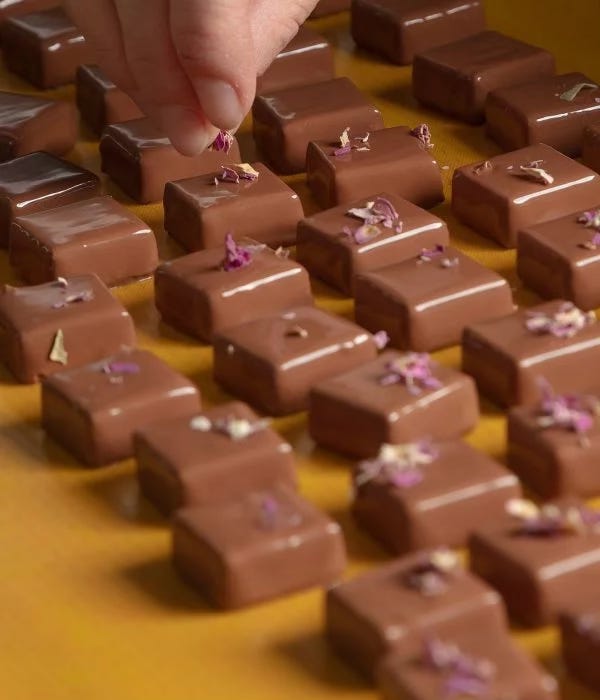
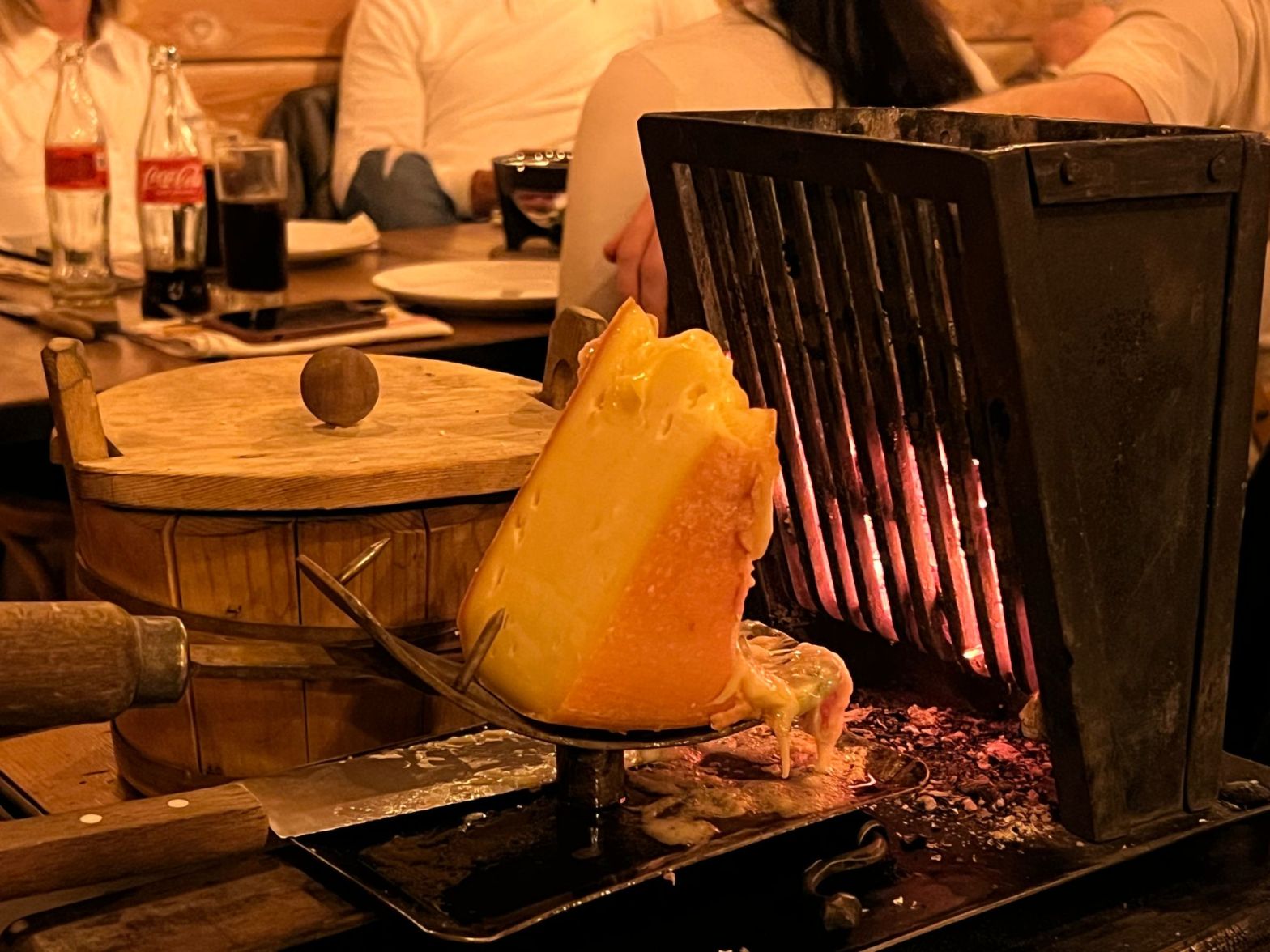
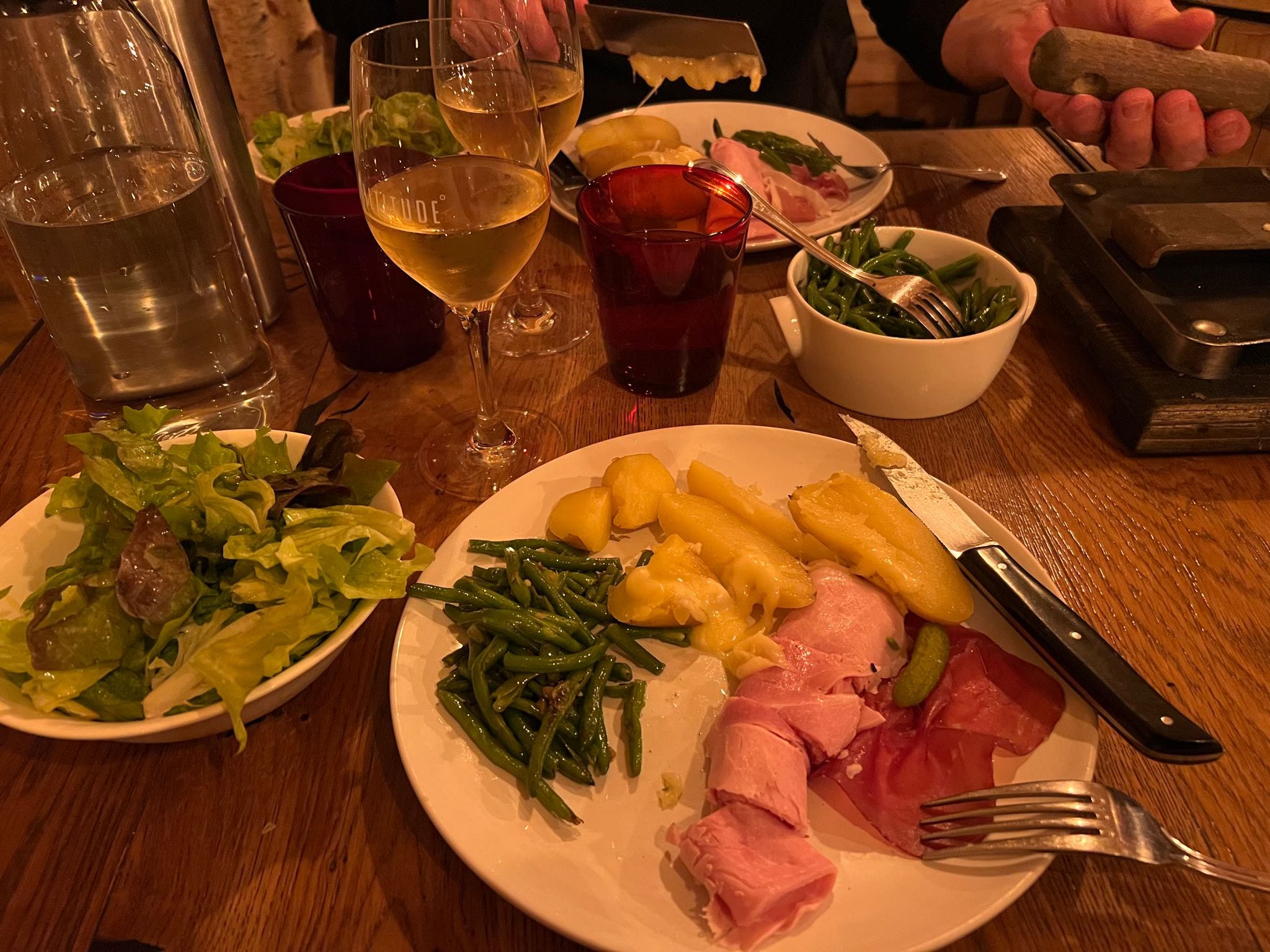
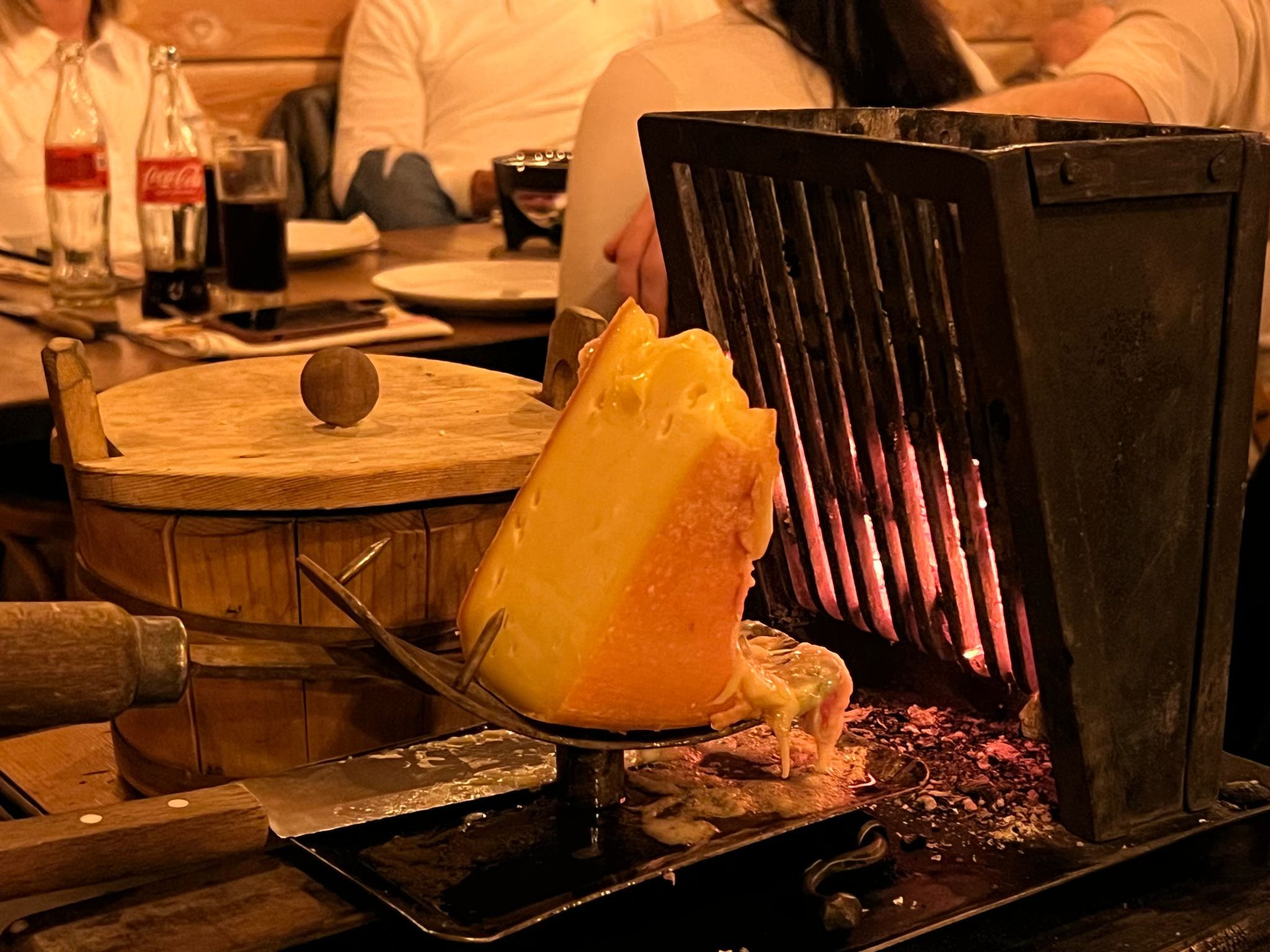
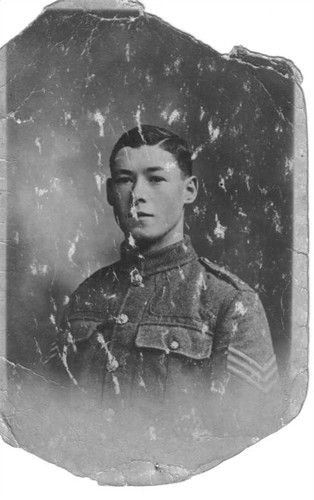
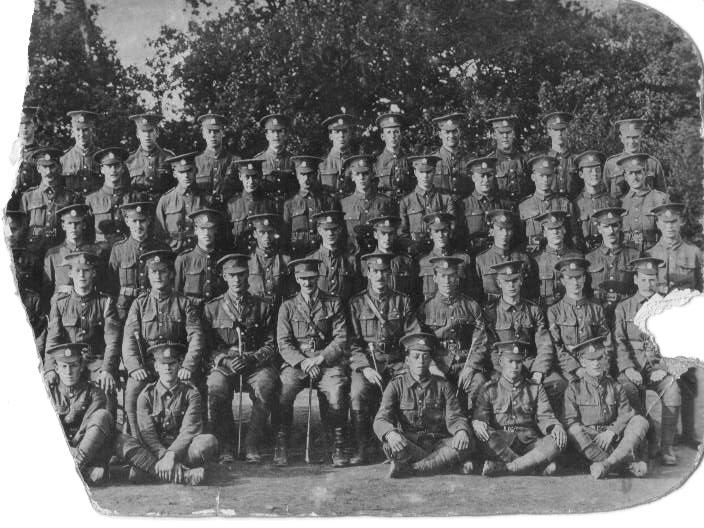
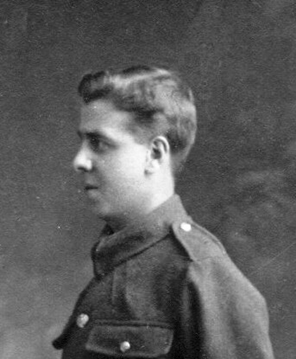
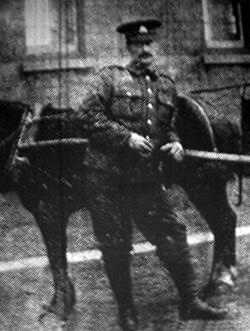

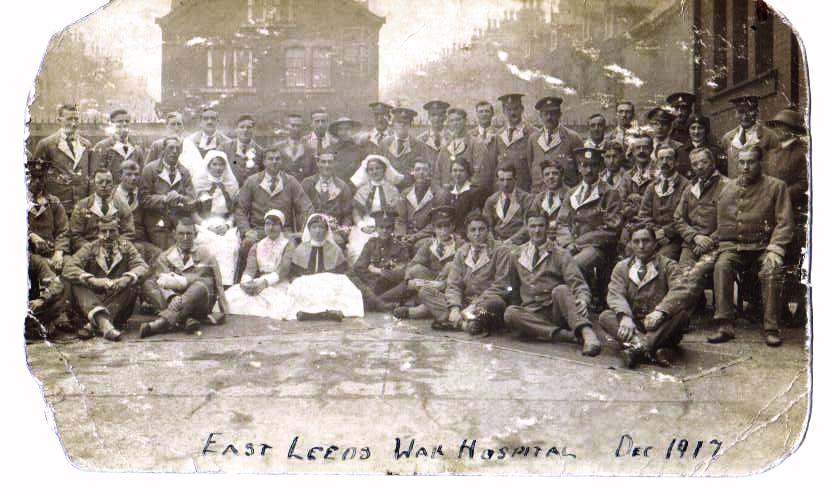
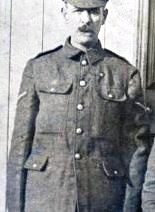


 Anecdotes and Antidotes in Burgundy