
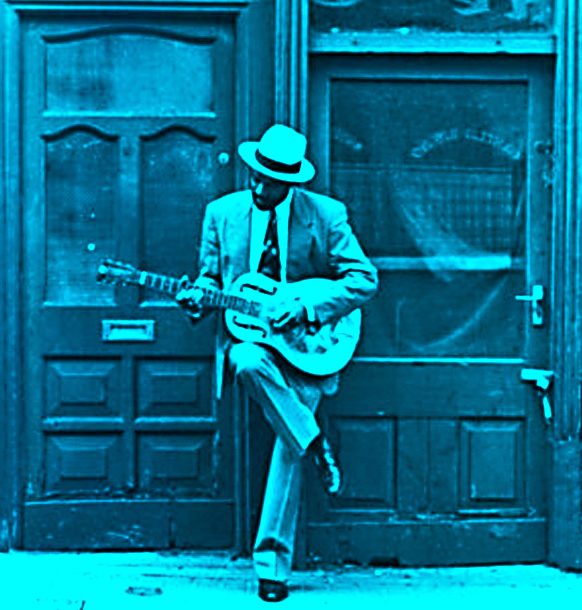
More musical musings
The eagle flies on Friday, but Saturday I go out to play
In Junior school assembly one morning, when I was about 8 someone had found a Beatles badge, which said “I Like George”. Someone suggested I had been wearing one and said my name and so I accepted the badge, even though I had never seen it before, as it seemed to confer some coolness. I continue to this day to believe in this strange and quite obviously erroneous theory that the choice of music that you listen to you reflects on you a degree of coolness, based on how cool the music is. Ot at least how cool you think it is.
I was unusually lucky as a 13 year old to be gifted a box of albums. My cousin was the lead guitarist in a modestly successful 1960’s pop band and had earned enough from this to buy a night club in Portugal. He and his girlfriend were on their way there and he dropped the albums off with us to look after. I had bought my first single as a 9 year old, the Stones’ “Last Time”. I had limited pocket money so had bought Decca’s Wowie Zowie, The World of Progressive Music, a collection of their artists. I had been bought Abbey Road for my birthday and at Christmas was the proud owner of a Moody Blues Album, “To Our Children’s, Children’s Children” but that was about it. So the box of albums from Chris not only dramatically expanded my outlook and choices but it gave me an education in music that you could see had been pretty mainstream up to that point. It contained Saucerful of Secrets, Floyd’s psych masterpiece, We Are Only In It for the Money, introducing me to Frank and the Mothers, Axis Bold As Love and Electric Ladyland by Hendrix, Spooky Tooth’s Spooky Two, Ten Years After’s Stonedhenge and a couple of other treats. From that point on the harmonies of the Mersey sound and the Moody’s mellotron musings were ignored and I was forever in the thrall of a slightly distorted Fender Stratocaster.
But how did a teenage boy in a small town in Somerset become under the spell of electric guitars?
Once upon a time there was popular music or Pop and that was fun, frivolous and meant for mindless distraction of the youth, particularly the troubling teenagers, especially to American parents and mainstream society. Teenagers in the 1960’s were not their parents in a worrying way, especially as media exposed them to new and unsettling trends of the time like contraception and cheap drugs. The same could be said of parents and their children in the 80’s, the early Oughties and today with widespread frantic concern over the on-line world of teenagers, as they zombie march through life with their eyes fixed firmly to their phone screens.
You do not need Pop to distract young people in an age of Snapchat, Facebook or Youtube but its noticeable that TikTok’s most popular memes often involve someone doing something to a Pop song, so maybe we do after all.
In the 1960’s young musicians wanted to express themselves outside of Pop, as much as the US still referred to various genres due to its rigid demarcation of radio stations to only serve the benefits of advertisers rather than the listeners. The more liberal BBC sliced its more limited airtime to include Pop but only in response to the commercial pirate radio stations.
If you wanted to be taken seriously as a musician there had to be a route other than jazz but the blues offered a way for the first wave to break out of Pop’s grasp. If you look at those incredible rock family trees that the British journalist Pete Frame put together the beginnings of what we tend to think as Rock music are bands escaping Tin Pan Alley’s approach to Pop music and throwing themselves into Blues music. Lonnie Donegan’s recording of Lead Belly’s “Rock Island Line”, released as a single in late 1955, signalled the start of the UK skiffle craze. George Harrison of The Beatles was quoted as saying, “if there was no Lead Belly, there would have been no Lonnie Donegan; no Lonnie Donegan, no Beatles. Therefore no Lead Belly, no Beatles.”
If you grew up listening to the BBC’s Light Programme with Acker Bilk, Frank Ifield and Kathy Kirby and someone gives you an album by John Lee Hooker or Muddy Waters you would understand that there was another way. The American Folk Blues Festival toured England from 1962 for several years. It tried to portray the music as a cute ethno-excursion into folk music but for Alexis Korner, who had backed Muddy Waters’ first tour of England in the trad jazz Chris Barber Band, listening to Muddy’s electric slide guitar howl and blow the audience off their chairs it was revelatory. Korner started a blues club night in London and two bands, his own Blues Incorporated and his protegy John Mayall’s Blues Breakers took that urban electric blue of Chicago and made it their own. These two bands between them included several of the future members of Cream, the Stones, Zeppelin and Fleetwood Mac.
There was a full catalog of blues songs to be plagiarized and dressed up for the young audience wanting some rebellion, or at least some rougher guitar noise than Bert Weedon’s edgy use of his cuffs on his guitar strings or Hank Marvin’s tremolo arm. As the American Blues Artists toured the UK, they escaped the color bar from home and played to white audiences who adored them. Backed by each other and later by the Groundhogs, The Blues Breakers, The Yardbirds and Brian Auger’s Trinity Hooker; Muddy, Sonny Boy Williamson, Howling Wolf toured England converting the the teenage future gods of rock into lifelong fans.
It is hard to overstate the importance to what we consider rock music of those original tours from 1962 to 1966. To say they inspired a generation would be an understatement and the contrast to the insipid pop music of the day dominating the charts, and by implication, what people were listening to was dramatic. Jagger and Richards are in the audience and decide to form a band to imitate these Black American heroes, and loud guitars and hard driving rhythms are the backbone. Clapton and the Yardbirds take on the pop charts but live its blues all the way. Jeff Beck replaced Clapton in the Yardbirds, on Jimmy Page’s recommendation, and he himself ended up a Yardbird. The commercial child of the blues in the US was what in England was dubbed Soul Music. Motown and Stax’s imported hits started to influence other British Pop acts but the guitars stayed where in the US it was all brass and strings. The Who, the Pretty Things, The Animals, the Small Faces followed the pop success of the Beatles.
The Beatles were at this point playing pop songs to screaming teeny boppers in matching suits.
Bob Dylan was still soundly following in Pete Seeger’s path. By 1966 it all changes. Bob upsets the staid and steadfast folkies at the Newport Folk Festival by playing with Mike Bloomfield and Al Kooper. Bloomfield grew up in Chicago and was steeped in hard blues guitar, as a teen he played in the south side Clubs backing the Wolf, Muddy and joined up with Paul Butterfield in his blues band. “Like a Rolling Stone” lead off Dylan’s next album Highway 61 Revisited. In England, also stealing from Waters, the Rolling Stones had built a following around blues tinged pop, their live shows featuring a majority of blues covers. Meanwhile in England Dylan’s upsetting of the folk establishment continues, Ewan McColl, he of Kirsty’s Dad and “Killing Me Softly” thinks Dylan has desecrated the hallowed halls of folk music. An acolyte of his presumably memorably shouts out “Judas!” between songs during a gig at Manchester Free Trade Hall backed by the very electric Hawks or the Band as they became. Bob replies in exasperation and tells Robbie Robertson and the boys, “Play Fucking Loud”.
The guitar sound of the British bands starts to be appreciated in the USA and on the heels of the Beatles teenybopper success a British ‘Beat’ invasion happens. The British bands having being immersed in not just blues, but soul and the unique cultural mixing pot of English pop music and music hall traditions created a blend of harmonies, guitars, rhythm and an odd sense of humour. Fueled by ambition, pills and booze they came, they played and they conquered. They also inspired a lot of imitators in the US. So even though much of the inspirational background for the British invasion was American music, due to the rigid cultural color bar of US radio and TV the first time many white American kids heard blues and soul songs was from the British bands.
The gift to these British young men, in return for this cultural exchange, was marijuana and acid. The availability of it in the US to musicians compared to the UK ensured most bands discovered the joys of weed and LSD on tour in the US. Its popularity spread back home and like any market demand was met with a supply. So just as the Summer of Love on the West Coast in 1967 inspired a lot of trippy music from the Dead, the Airplane, The Byrds, the Fugs and Love, it inspired an expansion of consciousness in England’s pastoral fields and cities. The Beatles and the Stones tried to out do each other in how hippy they could seem. Jimi Hendrix was persuaded to leave the US to come and be a pop star in swinging London. The Pink Floyd played a residency at the UFO at the end of 1966, the Pink came from blues artist Pink Anderson and Floyd was another blues artist Floyd Council, both artists in Syd Barret’s collection.
The blues boom in England kicked off in 1967 with bands started to write their own songs as well as the constant recycling and straightforward theft of the original blues songs. Check out Led Zeppelin’s debut album and the song credits were originally claiming 6 of the songs with missing or incomplete attribution. This was a trait they continued to display with 4 of Zep II, Zep II and Physical Graffiti’s songs all also being other people’s songs. The bands of this boom Cream, Fleetwood Mac, Free, Savoy Brown, Ten Years After and Chicken Shack all retained blues standards in their live repertoire but wrote and worked on producing original material. The big difference was that they shied away from the obvious pop influences, they did not want to be seen as Pop bands like the Beatles, what they did which changed music again was placing an emphasis on individual virtuosity. They wanted to be seen as musicians. They wanted to show how good they were and wrote songs that helped this and the era of solos is born. Cream wrote clever 3 minute songs with Jack Bruce’s deft songwriting skills on display on Disraeli Gears and Wheels of Fire but what made their fame is the Clapton solos on their live stuff and ‘Toad’ becomes a 16 minute song including a 13 minute drum solo. That is a long way from the 2:38 of For Your Love the Yardbird’s hit of three years earlier.
The key components of rock music as we think of it today evolved in this blues era: the drum sound got heavier with often two bass drums not just one, the bass and drums laid down a heavy rhythm that one but often two guitars, one playing along to the rhythm but also supporting the melody line and one being able to extemporize and of course in a jazz derived way take a turn at a solo. The songs were borrowed, inspired by or plainly stolen (I’m looking at you Messrs Page and Plant, crediting “Traditional’ rather than Robert Johnson.) The blues can therefore be split into the originals and the white rock version, each I would argue have their real merits and artistic value regardless of the obvious case of cultural appropriation. Here are my top suggestions for both and the playlist is here.
The Real Blues – these are my favorites and as ever caveat this with choice is personal as is taste –
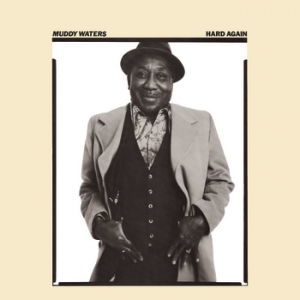
- Hard Again – Muddy Water
Muddy Waters, had been a blues legend for a long time before this appeared in 77. This labour of love by Johnny Winter reintroduced Muddy to a new audience and the lackluster efforts of the 70’s when many blues artists tried to become relevant by being more ‘funky’ were forgiven. The inimitable James Cotton on harp and Winter himself accompanying Water on guitar made this a serious re-introduction to the Waters cannon.
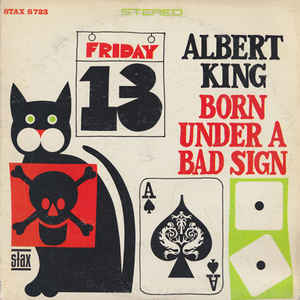
2. Albert King – Born Under A Bad Sign
Albert King, on Stax by this time and backed by Booker T and MGs, playing the blues in a 60’s way. Swagger and rhythm to roll with all following that Albert King sound. BB King may have garnered the most accolades and Freddie King was the swamp guitar king but Albert had that flying-vee sound and the smoothest voice. Stevie Ray Vaughn’s whole schtick was Albert’s and it was actually great to see them work together later.
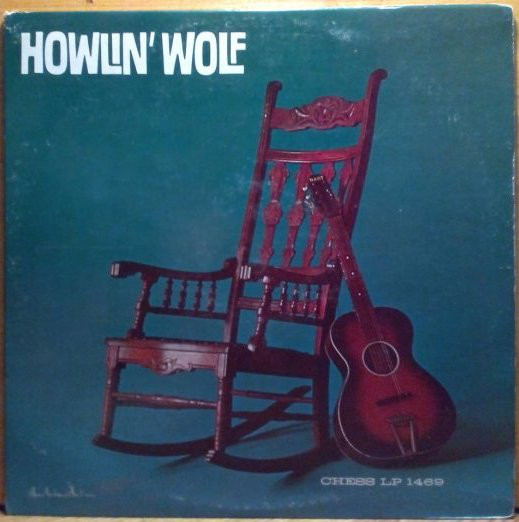
3. Howlin Wolf – Howlin Wolf
This album is often referred to as the rocking chair album. It was originally on Chess and re-issued later and bootlegged so be careful about the version you buy. This was the archetypal Wolf album with for want of a better description some of his biggest hits, or his most covered songs like Little Red Rooster, Wang Dang Doodle and Spoonful.
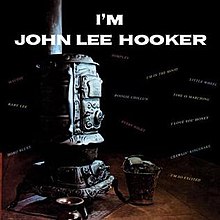
4. John Lee Hooker – I’m John Lee Hooker
John Lee Hooker recorded singles for many labels as black musicians found it difficult to collect royalties from most record labels so he released songs under different variations of his name and slight variations of the same songs. When this collection of his 1950 single songs came out it was the first time that the breadth of his amazing song books came to a larger audience. Recorded with a band rather than just accompanying himself on guitar and foot stomps this is quintessential Hooker – ‘Dimples’, ‘Boogie Chillun’, ‘Crawling King Snake’ among many.

5. Eddie Clean Head Vincent – Cherry Red
Eddie Vincent played bebop, jazz, swing and in the late 50’s and 60’s the blues. He played with Big Bill Broonzy and John Otis and had the young John Coltrane in his band in the early 50’s. His vocal styling is pretty cool and the title song is the Big Joe Turner classic Cherry Red, not to be confused with the Groundhogs version on “Split”. I first bought this album due to my obsession with Mike Bloomfield who plays guitar on this but this is really background to the blues saxophone of Eddie Vinson.
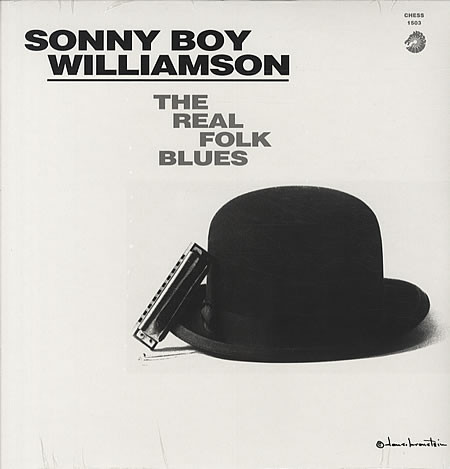
6. Sonny Boy Williamson – The Real Folk Blues
Just to confuse matters there are great albums all called The Real Folk Blues, all issued by Chess for Sonny Boy, Hooker, the Wolf and Muddy Waters. Sonny Boy is also confusing as there were two, this is the later or as is sometimes referred to as SBW II, even though he was older than the first and only came to fame when the first one, who had a couple of hits in the 40’s, died. His original name was Aleck “Rice” Miller. He wrote several hits, played in Europe and recorded with the Yardbirds and others and I still have an old version in mono of his “You Don’t Send Me No Flowers” album recorded with The Yardbirds, Brian Augur and Jimmy Page. This is as good a place to start as any, ditto with this whole series from Chess.

7. Junior Kimbrough – You Better Run
Junior Kimbrough was a guy who never made a lot of money in his lifetime, he had a few minor hits and yet his unique style really impressed a lot of people. He creates a drone sound with his thumb while picking lead which is a unique and swampy sound. He made a few records during the 60’s and 70’s then dropped out and reappeared in the late 80’s playing at juke joints. Robert Palmer recorded him and he became a minor blues celebrity and people came to his own place, Chewalla Rib Shack, in Mississippi.
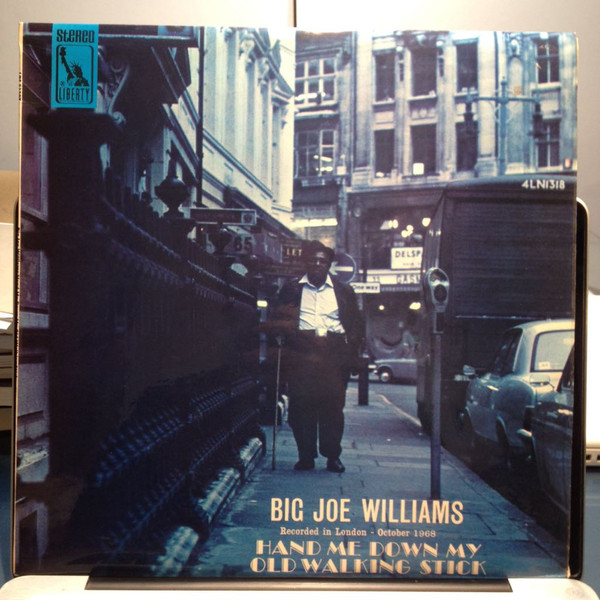
8. Big Joe Williams – Hand Me Down My Old Walking Stick
Big Joe Williams was one of the last great traveling blues singers. His career was made on the road across the south and midwest, playing roadhouses, bars and house-parties starting in the 30’s and he was still around in the 60’s when the blues boom took off and this album recorded in London is a result of that. Tony TS McPhee of Groundhog fame is in the background somewhere and Mike Batt of Wombles of Wimbledon fame produced it. He was living in the basement of a record store in the early 60’s when he was befriended by Mike Bloomfield. There is an insane long form piece published in High Times, illustrated by R.Crumb, written by Mike describing his travels with Big Joe, read it here. Big Joe was supposedly an influence on the young Dylan too.
Blues Rock – White Boys Sing the Blues
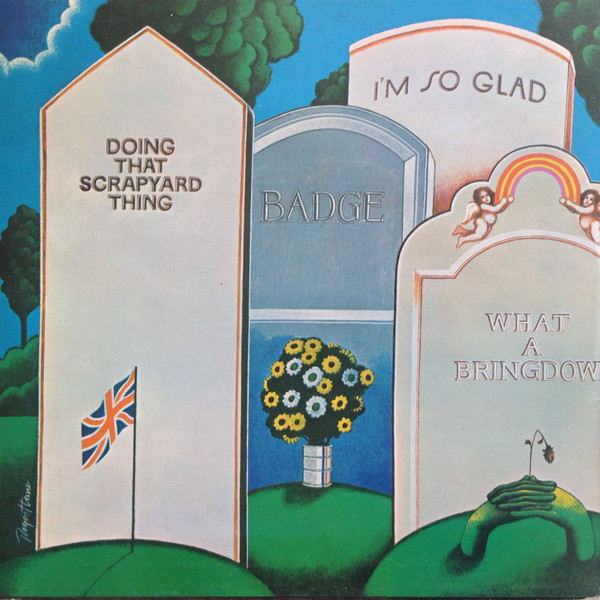
- Cream -Goodbye Cream
By its name it was the last release by the Cream in their original incarnation. Released in 1969, the year after they split up, it was a record of their final tour and it imitated the equally excellent Wheels of Fire in being half live and half studio. Jack Bruce was a great songwriter, as well as fine bassist and singer of the blues and his song Badge became their last hit. In a way this is the quintessential blues rock album as they take standard blues changes and transition to more recognizable rock song formats. Each side opens with a blues classic, a Howlin Wolf standard Sitting on Top Of The World and the skip James song I’m So Glad, that they debuted on Fresh Cream. It has divided opinion but I think is the more succinct overview of what Cream did.
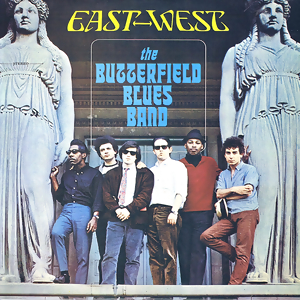
2. The Butterfield Blues Band -East-West
The second BBB release in 1966 featuring two astonishing guitarists, Mike Bloomfield and Elvin Bishop. This is a must have just for the 13 minute instrumental title track which has Indian raga vibe. It feature a couple of blues standards showcasing Butterfield’s’ amazing voice and harp Muddy Waters’ Two Trains Running and the Robert Johnson standard Walking Blues. Both Bloomfield and Butterfield grew up in Chicago exposed to the real blues and played with the original players and it showed. On the retrospective Bloomfield album there are snippets of interviews with Mike describing the Chicago scene and he describes Butterfield as scary, the ” baddest cat, wouldn’t take no jive from anyone”. Both died young.

3. Jethro Tull -Stand Up
The second album released in 69 after Ian Anderson parted company with Mick Abrahams, who was a blues purist. Martin Barre took his place and became a staple of Tull for decades. Abrahams went on to form Blodwyn Pig which released Ahead Rings Out at the same time as Stand Up and did equally well. I have it and sadly it has not aged that well wheras Stand Up and its follow up Benefit are great examples of British blues rock, having moved from covers of blues classics to original material yet having the same drum and bass sound and electric guitar leads. It’s ironic how Tull became the 80’s rock juggernaut despite the flute machinations of Anderson where he started off playing blues harmonica. Later remastered versions have the” Living in the Past” single added.

4. The Groundhogs – Thank Christ for The Bomb
Named after a Hooker song the Groundhogs acted as backing band for John Lee Hooker, Little Walter, Champion Jack Dupree and Jimmy Reed in ’64-’65. They had blues pedigree for sure but also were able to build on the blues and become over the next 3-4 years more of a heavy rock band as a power trio. Split is the album that cemented their reputation for guitar fireworks with loads of pedal effects and the anthem Cherry Red. Thanks Christ for the Bomb was the album that bridged the blues to heavy rock. I bought the single Strange Town (later covered by the Fall) while on French exchange in Normandy.
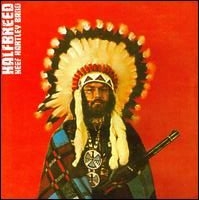
5. Keef Hartley Band – Halfbreed
Keef Hartley was the drummer in John Mayall’s Bluesbreakers until he was fired, but he used the experience to inspire him to form his own band and include a song with the recording of Mayall’s actual phone call giving him the elbow – so it cannot have been that acrimonious. The band featured a full brass section including the great Henry Lowther, keyboards from Dino Dines, who was later in T-Rex two guitarists were Ian Cruikshank, the future Django-style expert and Miller Anderson, future Savoy Brown, T-Rex and Chicken Shack guitarist; both are superb on this album. It has a jazzy feel but very guitar driven. Classic mix of blues covers and original songs. They played at Woodstock but failed to make the movie or first 2 soundtracks and sadly never commercially made it as they never managed to get a single to chart.
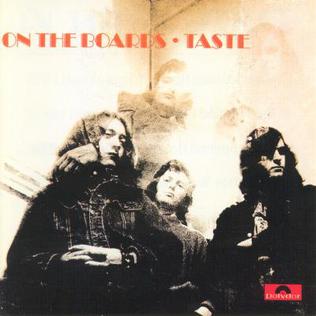
6. Taste – Across the Boards
Rory Gallagher had a successful solo career but he came to fame with Taste. I first heard them on a Radio 1 In Concert special with Atomic Rooster and fell in love with their laid back bluesy rock sound. They started out in Cork but were part of the London blues rock scene in ’68-’70. Gallagher’s famous Stratocaster sound was created during this period and their live performances were legendary, including making the Isle of Wight movie which was supposed to highlight the Who and Hendrix. This is the better if the only two albums made as the band Taste. As much as I liked Gallagher’s solo stuff I always liked this more, it was more complex perhaps due to the sidemen.
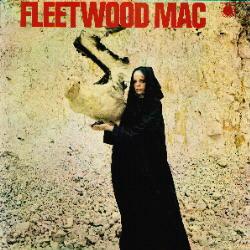
7. Fleetwood Mac – Pious Bird of Good Omen
This is the most accessible early Mac album, in some of our minds the only real Fleetwood Mac that counts, even though the sales numbers of Rumours alone would show you that is a narrow and highly flawed view. This is basically a collection of the 1960’s blues singles, B sides plus a couple of songs they recorded with Eddie Boyd while in Chicago. It includes Albatros and the title is from Coleridge’s epic The Ancient Mariner, which refers to the great bird. I nearly bought the house of Coleridge’s grandson in Shaftesbury, Dorset, but I had to disappoint young Mr Coleridge as the commute to Southampton, which seemed easy-peasy in theory turned out to be a nightmare on a week’s trial.

Get new blogs delivered directly to your inbox.
Afterthought…
After having published this last year I was very happy to discover a really interesting piece on Texas Blues by the excellent Ted Gioia “The Honest Broker”, he writes great articles about music and has published books including on the Blues. Check out his article here, called “An Introduction to Texas Blues in 12 Tracks”. I actually saw one of the artists live, Albert ‘IceMan’ Collins “The Master of the Telecaster” in 1981 playing support for George Thorogood and the Delaware Destroyers in Camden.
 Anecdotes and Antidotes in Burgundy
Thanks for this cool post.
LikeLike